
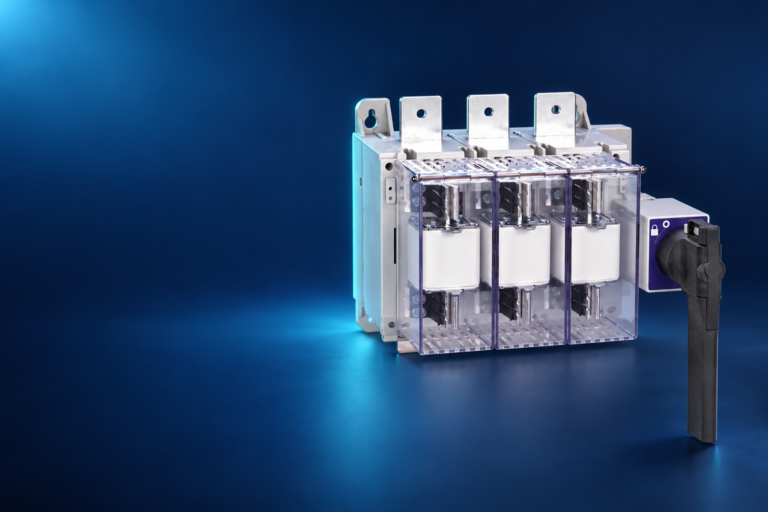
Top-Feed vs Bottom-Feed Fuse Switch Disconnectors
Compare fuse-switch feed layouts using approved terminals, isolation boundaries, barriers, cable routing and model-specific evidence.


Compare fuse-switch feed layouts using approved terminals, isolation boundaries, barriers, cable routing and model-specific evidence.
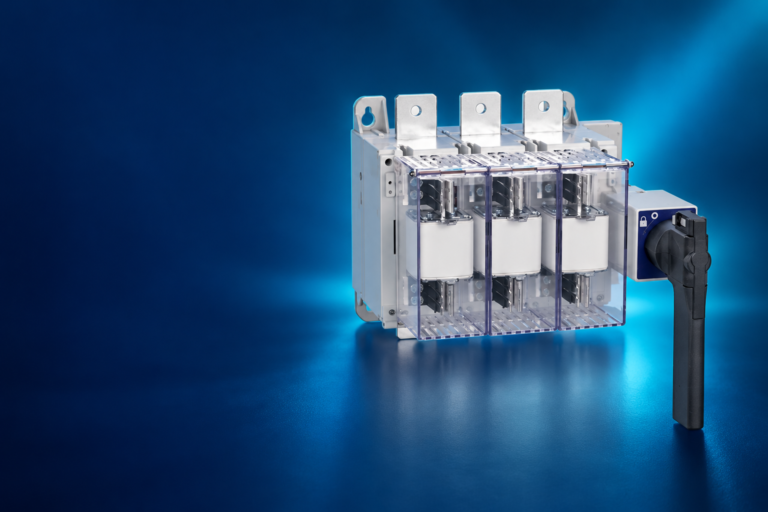
Review upstream fuse and downstream breaker coordination using exact device codes, settings, fault conditions and supported selectivity evidence.
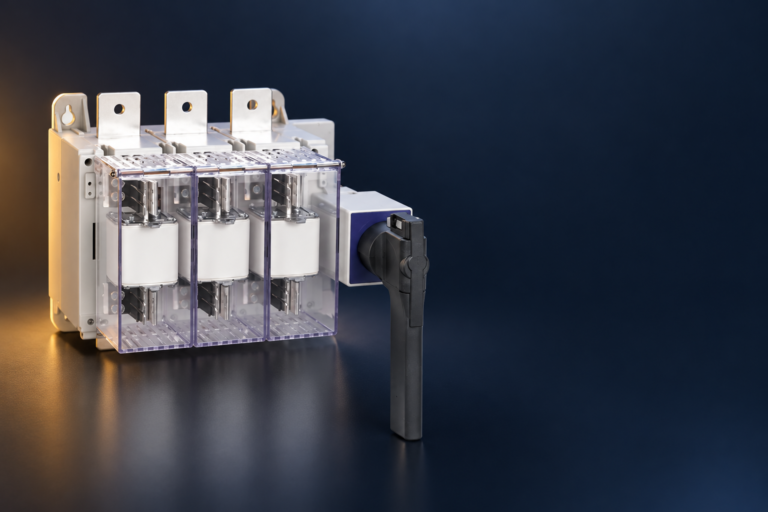
Specify feeder fuse switch-disconnectors from cable design, load, voltage, fuse function, fault evidence and supported assembly conditions.
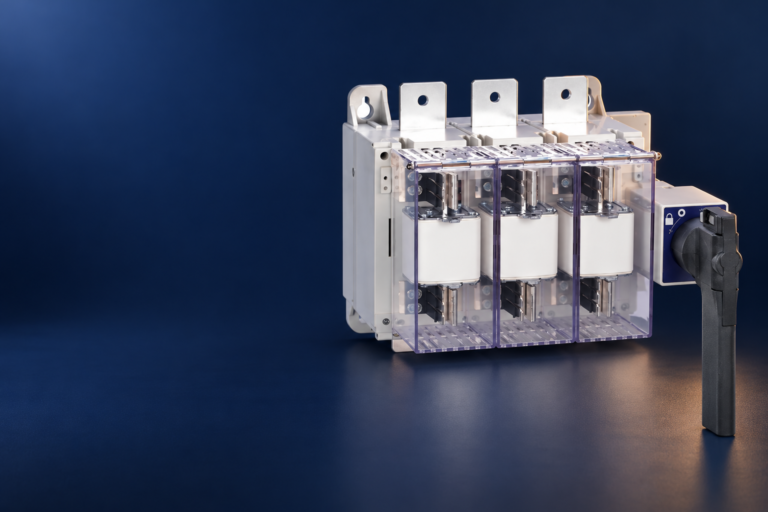
Choose NH fuses using the exact holder, approved fuse codes, voltage, protection class and thermal limits; physical fit alone is not compatibility.
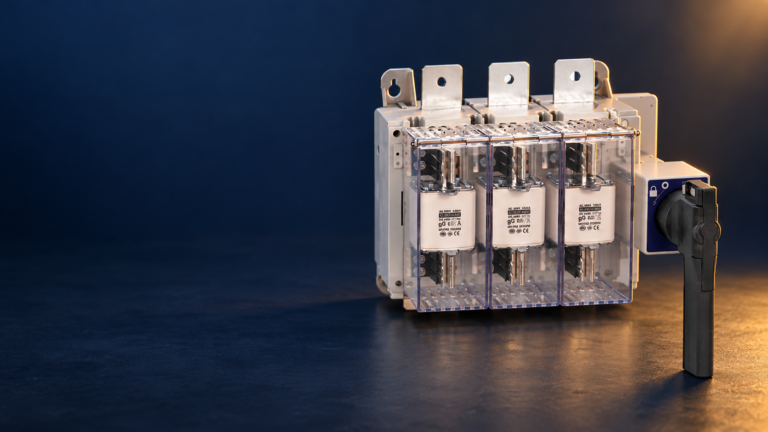
Separate switch utilization categories, fuse-link characteristics, thermal conditions and fault coordination when specifying a fuse switch-disconnector.
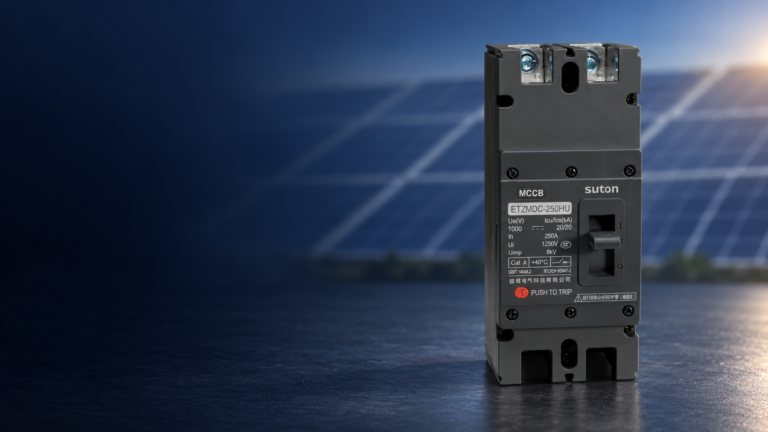
Select a PV DC switch-disconnector using array voltage, current, supported pole configuration, duty and enclosure evidence; distinguish DC breakers.
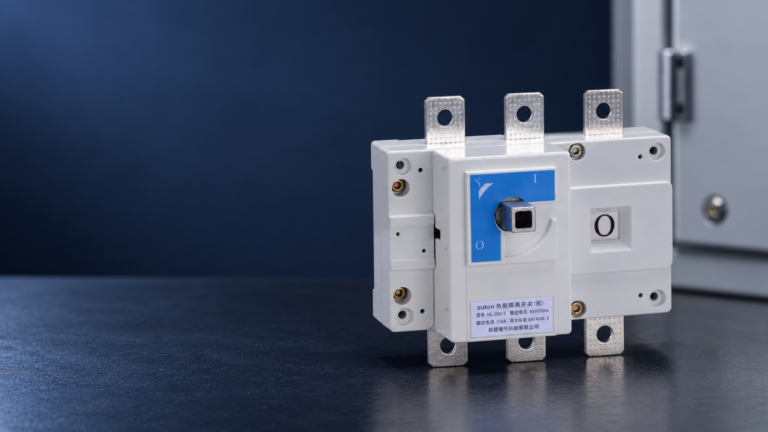
Select door-coupled switch-disconnector handles using documented interlock functions, accessory compatibility, enclosure geometry and acceptance evidence.
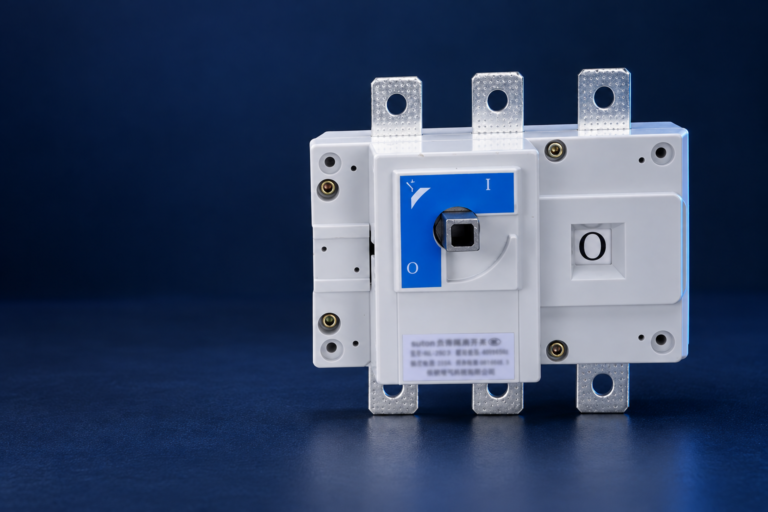
Separate switch-disconnector load switching, short-circuit making, withstand and conditional ratings before comparing product offers.
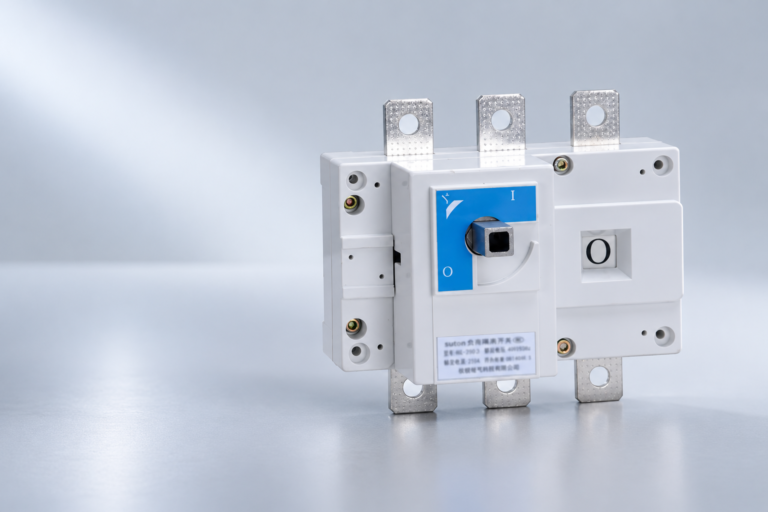
Compare three-pole and four-pole switch disconnectors by conductor functions, neutral requirements, sources and exact product evidence.
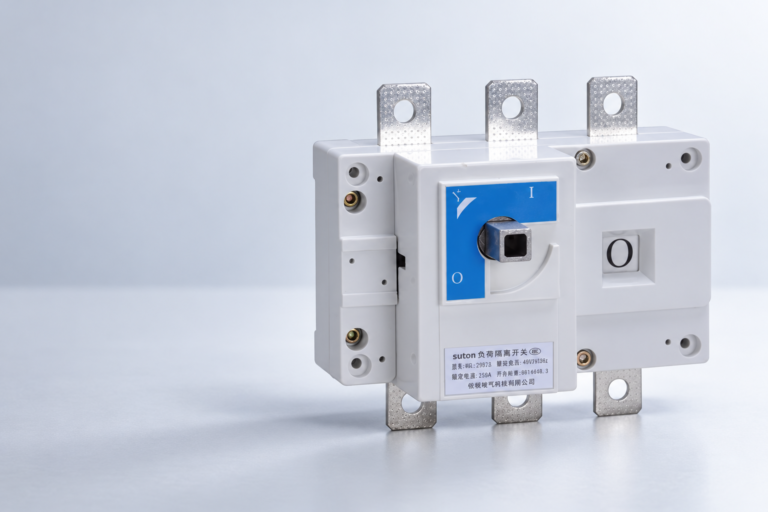
Size a motor switch disconnector using actual voltage, supported motor duty, drive instructions, fault coordination and installation conditions.
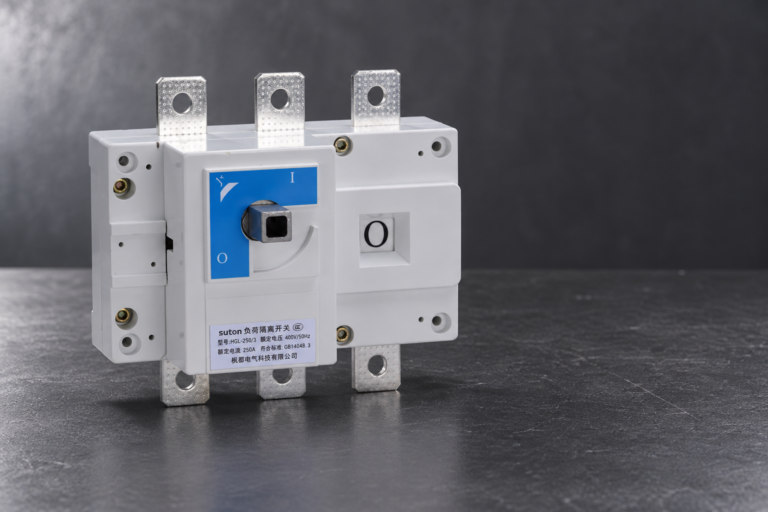
Compare AC-22A and AC-23A switching duties, operational ratings and supporting documents for mixed loads and motor circuits.
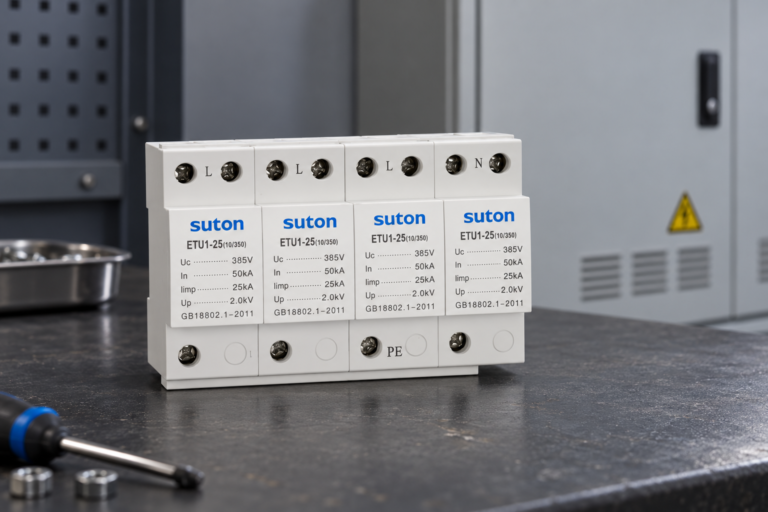
Select an industrial control panel SPD using supply, earthing, equipment needs, short-circuit coordination, wiring and maintenance evidence.