

Air Circuit Breaker Protection Settings Explained
Understand ACB long-time, short-time, instantaneous and ground-fault settings, study inputs, coordination checks and model-specific procurement requirements.


Understand ACB long-time, short-time, instantaneous and ground-fault settings, study inputs, coordination checks and model-specific procurement requirements.
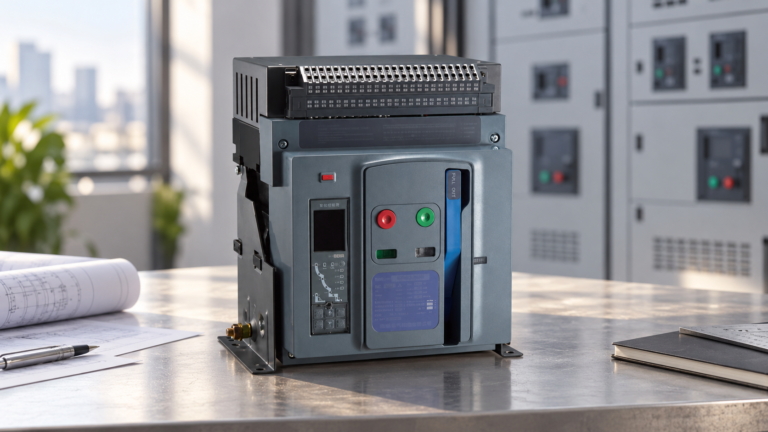
Fixed vs drawout ACB selection is mainly a switchboard service decision, not a change to the basic purpose of the breaker. Fixed units use direct mounting; drawout assemblies add a compatible cradle and controlled withdrawal interface. Compare the intended outage…
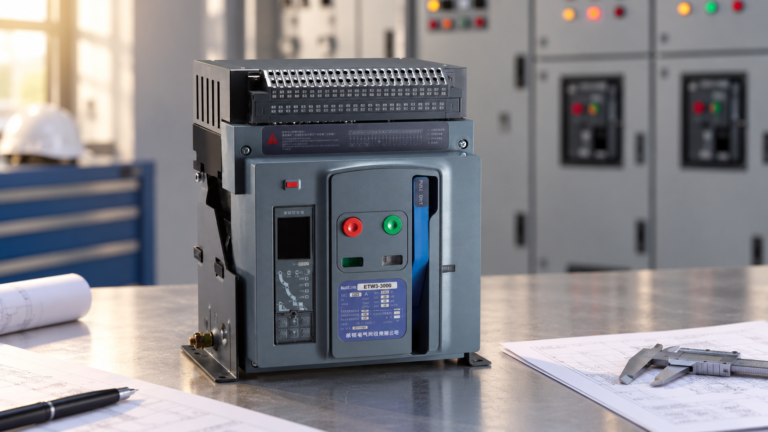
ACB frame rating vs sensor rating compares different parts of an air circuit breaker. The frame identifies a physical breaker family and current class, while the sensor or trip-unit reference determines how current is measured and used for protective settings.…
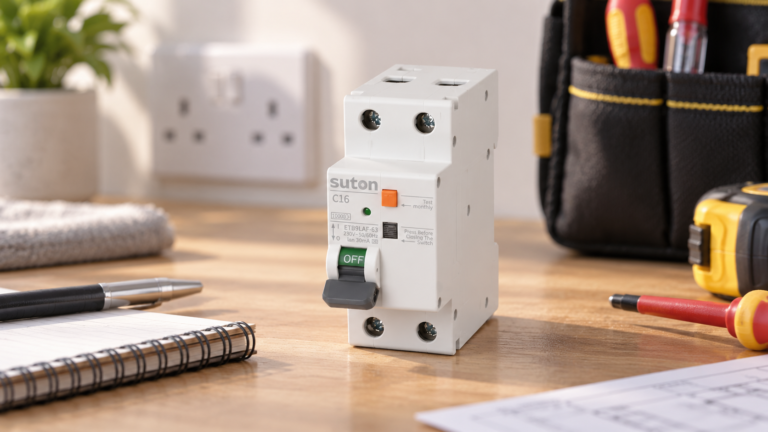
AFDD fault indication should be recorded before a device is reset. Check the exact model’s lamp, display or trip code, then note the circuit, connected loads, time and source mode. An integrated AFDD and RCBO may open for arc, overcurrent…

AFDD electronic loads require a circuit-specific review before a device is selected for the final circuit. List the actual power supplies, LED drivers, cha
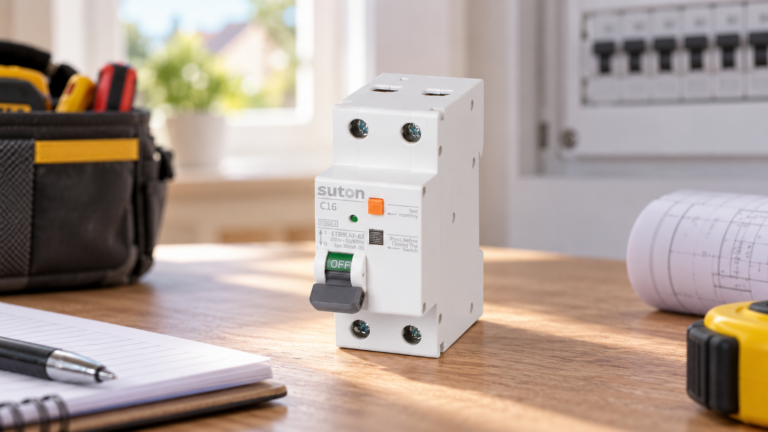
AFDD residential applications are best decided circuit by circuit. Identify the building’s fire risk, sleeping areas, construction, wiring condition, conne
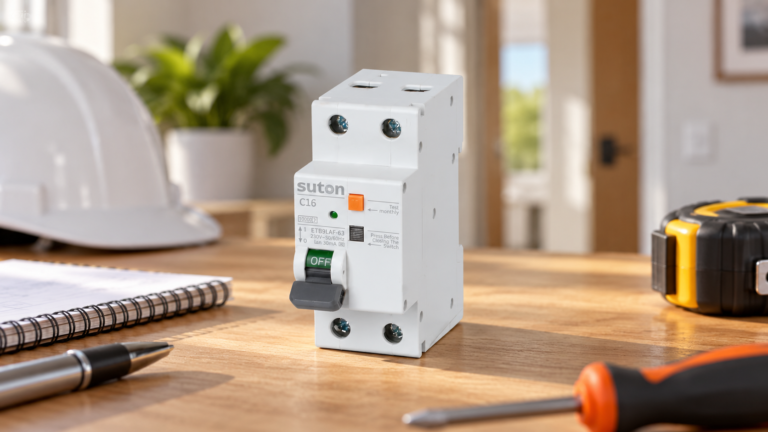
IEC 62606 AFDD requirements describe the product category and test framework for arc-fault detection devices used in household and similar AC circuits. The

AFDD testing begins by confirming the exact device and safely planning the interruption of its final circuit with the responsible site personnel. Follow th
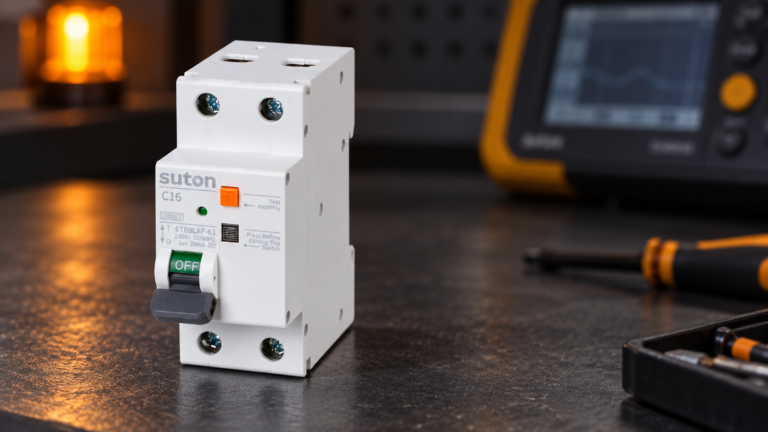
AFDD nuisance tripping is a symptom to investigate, not a diagnosis to accept. First record the exact device indication, the loads running, the time and so
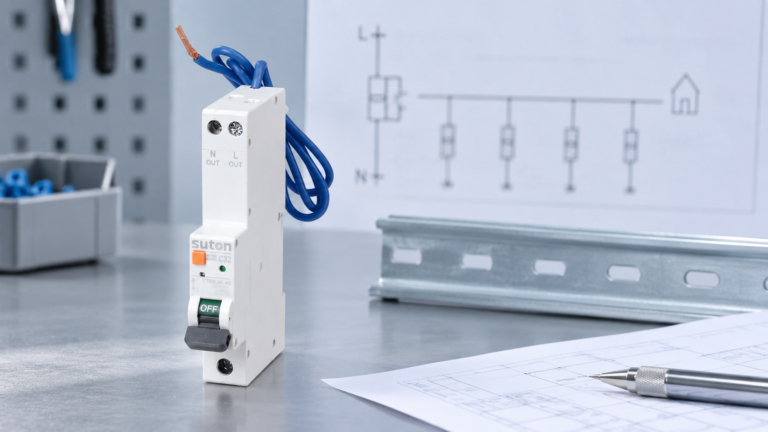
AFDD selection for a single-phase final circuit starts with the fire-risk decision and the exact circuit to be protected. Confirm the adopted installation
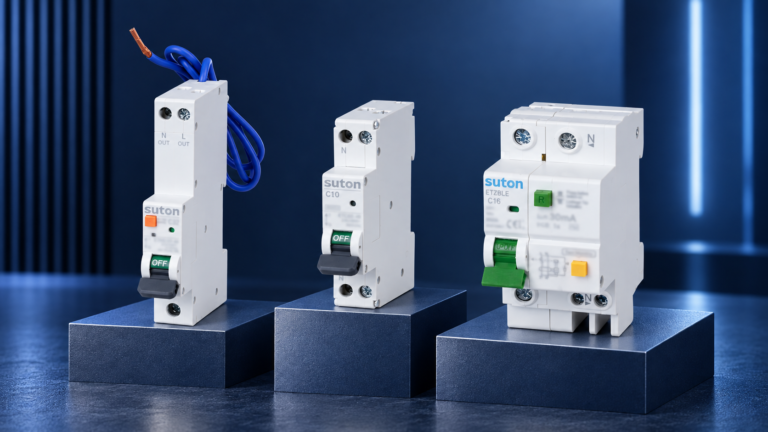
AFDD with RCBO arrangements combine arc-fault detection with residual-current and overcurrent protection, but the correct wiring depends on the exact devic
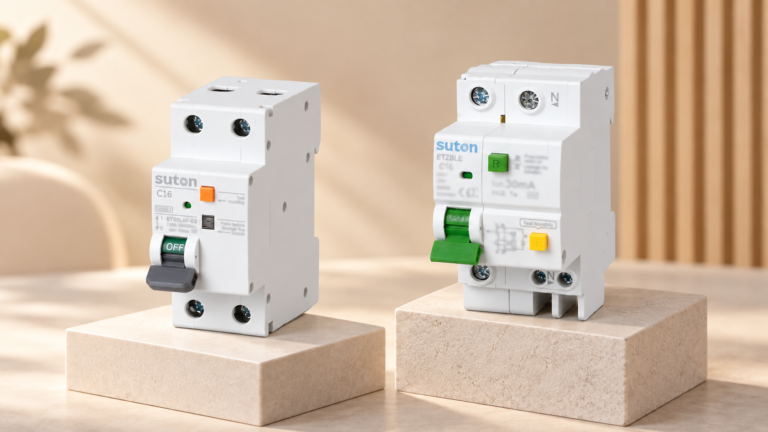
AFDD vs RCBO is not an either-or choice in every final circuit. An AFDD is intended to identify hazardous arcing signatures, while an RCBO combines residua