
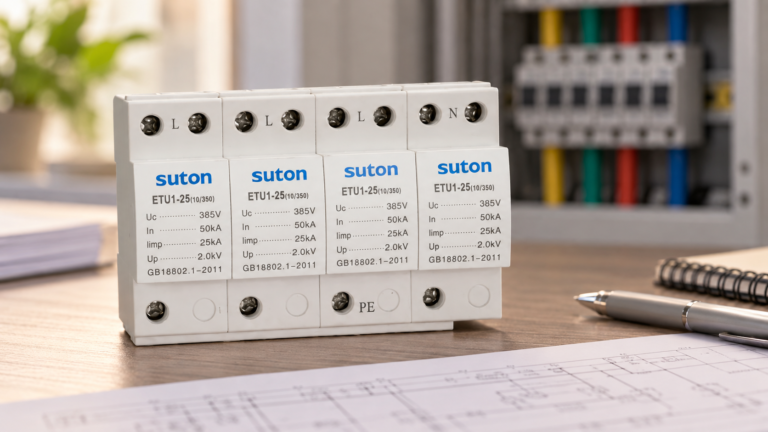
3P+N vs 4P Surge Protector for Three-Phase Systems
Compare 3P+N and 4P SPDs by protective paths, neutral elements, earthing-system compatibility and exact model evidence before ordering.


Compare 3P+N and 4P SPDs by protective paths, neutral elements, earthing-system compatibility and exact model evidence before ordering.
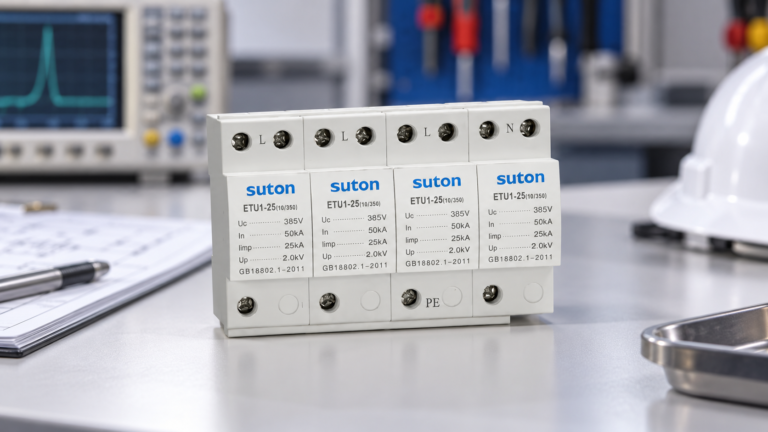
Compare 1P+N and 2P SPDs using exact topology, neutral-element behavior, voltage ratings and supported grounding systems, rather than module count.
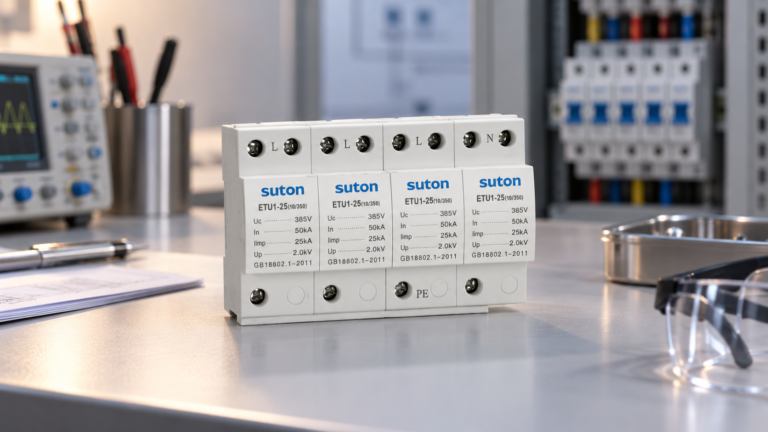
Compare single-phase and three-phase SPD arrangements through conductors, earthing, internal paths, voltage ratings and manufacturer-approved diagrams.
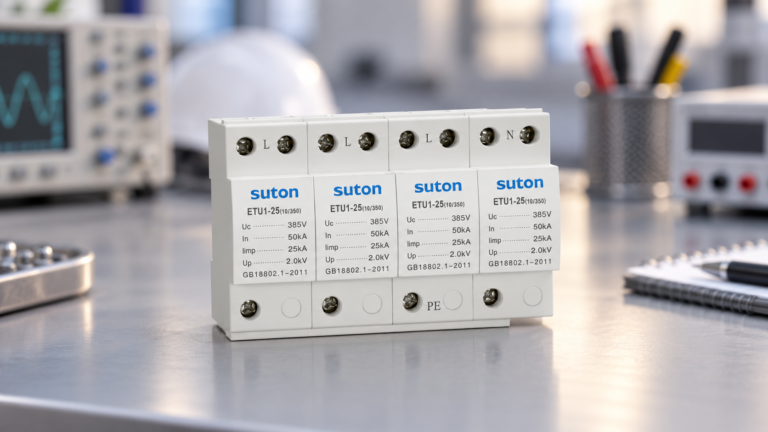
Understand SPD Uc, Up, In, Imax and Iimp, compare equivalent test conditions, and avoid confusing continuous voltage with surge-protection performance.
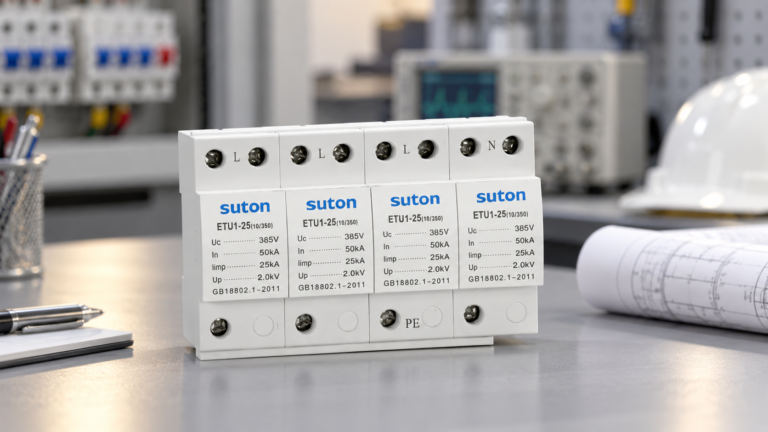
Select a Type 2 SPD using the actual supply, earthing, voltage and discharge ratings, backup protection, coordination and exact model documentation.
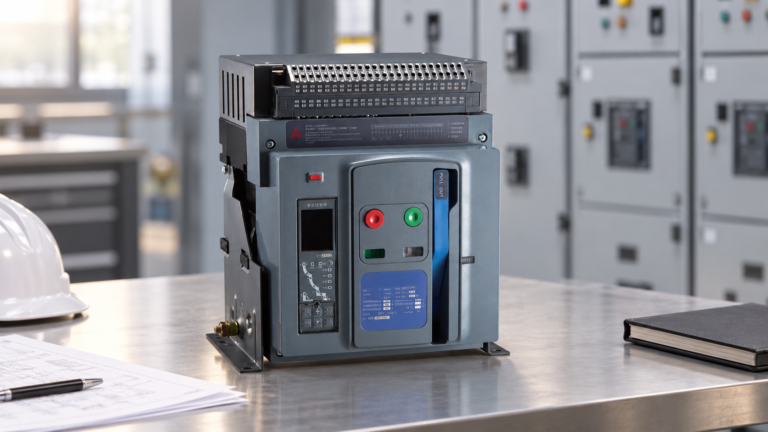
Define an ACB primary-injection test scope, distinguish secondary testing, and verify sensors, settings, timing and the documented opening path.
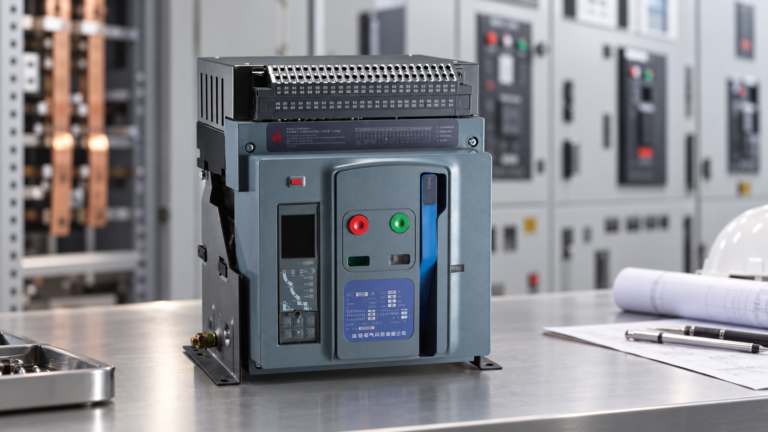
Measure a defined ACB closed-current path with a repeatable setup, then interpret resistance against exact manufacturer criteria and maintenance records.
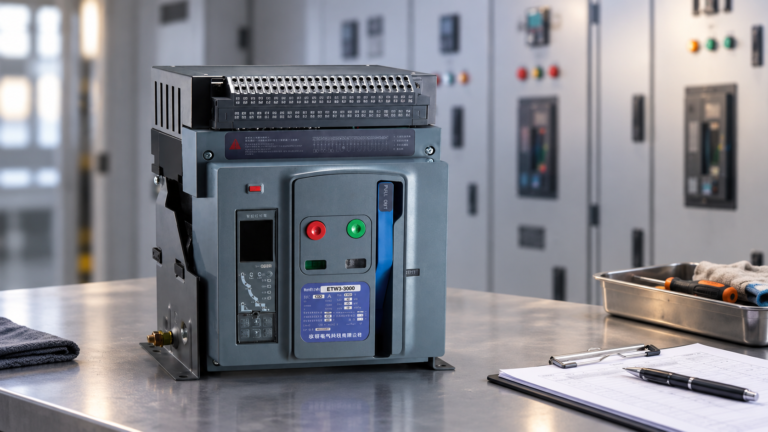
Plan ACB maintenance around manufacturer instructions, duty and condition. Review contacts, mechanisms, cradles, protective tests and service records.
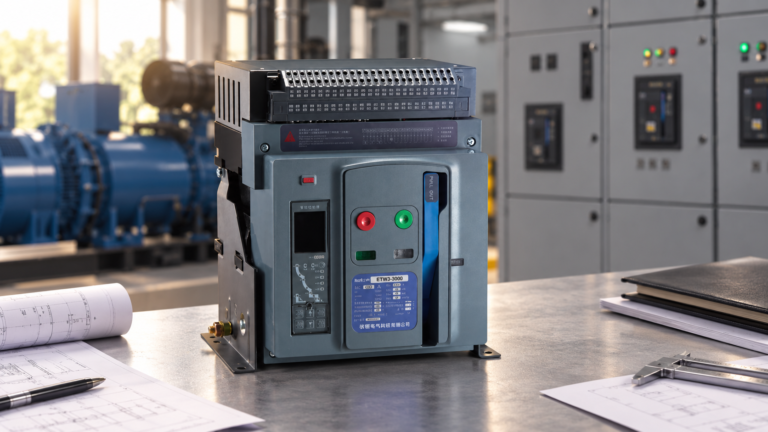
Select a generator ACB using load current, changing fault levels, grounding, coordination, control supplies and verified switchboard operating modes.
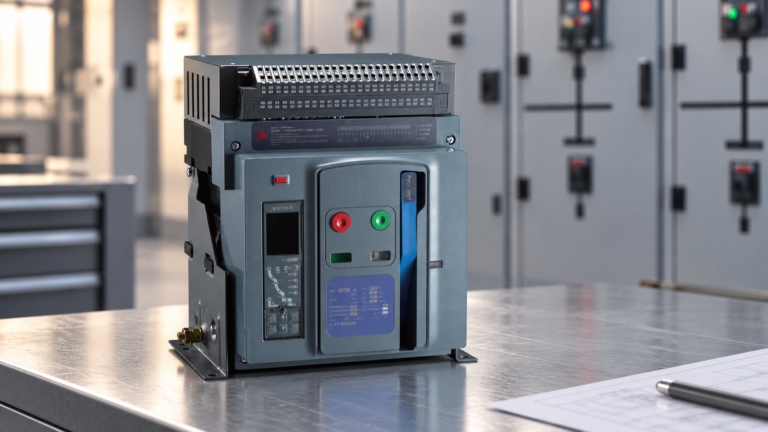
Compare ACB connected, test and disconnected positions, then verify cradle compatibility, position signals, interlocks and safe-access requirements.
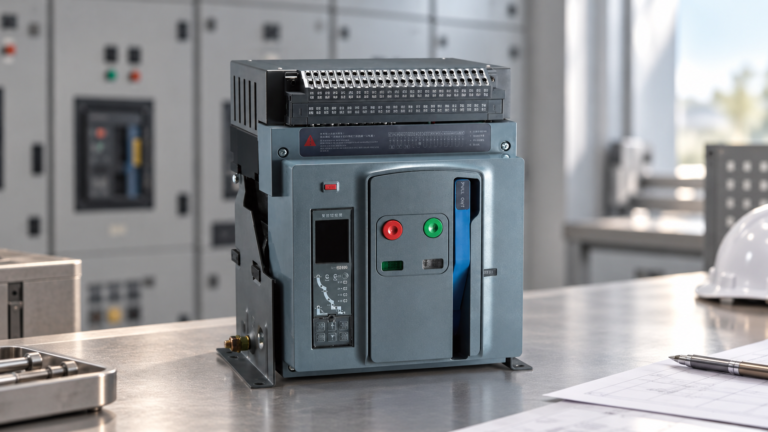
Compare ACB closing, shunt-trip and undervoltage releases, then verify control voltage, duty, interlocks and the exact ordered accessory configuration.
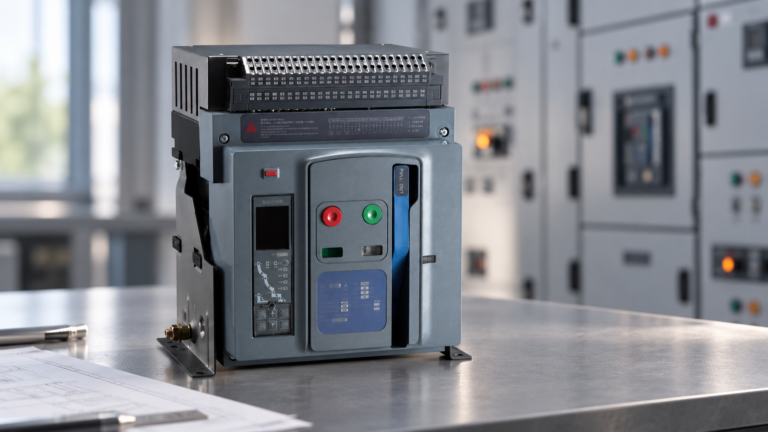
Learn how ACB zone-selective interlocking works, which compatibility and wiring checks matter, and how to verify restrained and unrestrained responses.