
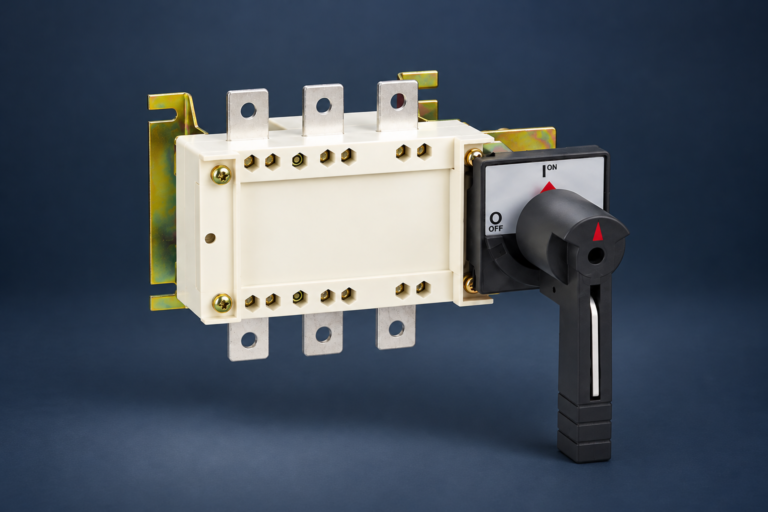
Side-Operated vs Front-Operated Switch Disconnectors: Panel Layout
Compare side and front operating arrangements using handle access, approved linkage, conductor routes, viewing features and the complete enclosure layout.


Compare side and front operating arrangements using handle access, approved linkage, conductor routes, viewing features and the complete enclosure layout.
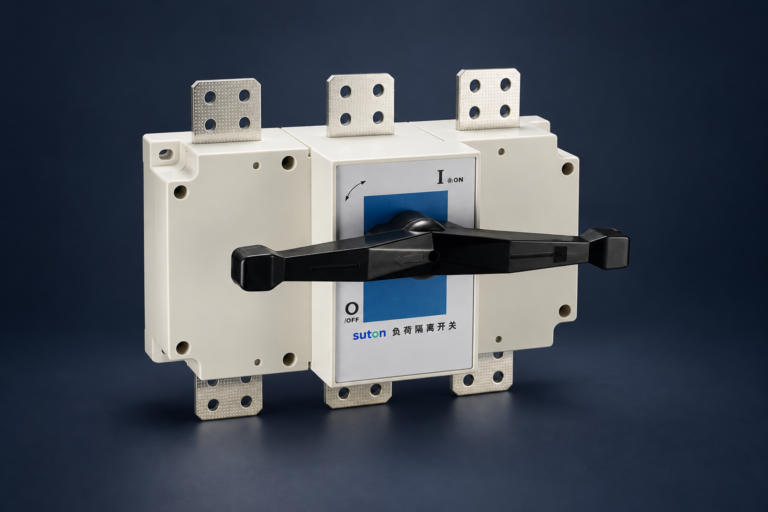
Distinguish operational, insulation and impulse withstand voltage ratings when reviewing a switch disconnector, without using one field as approval for another duty.
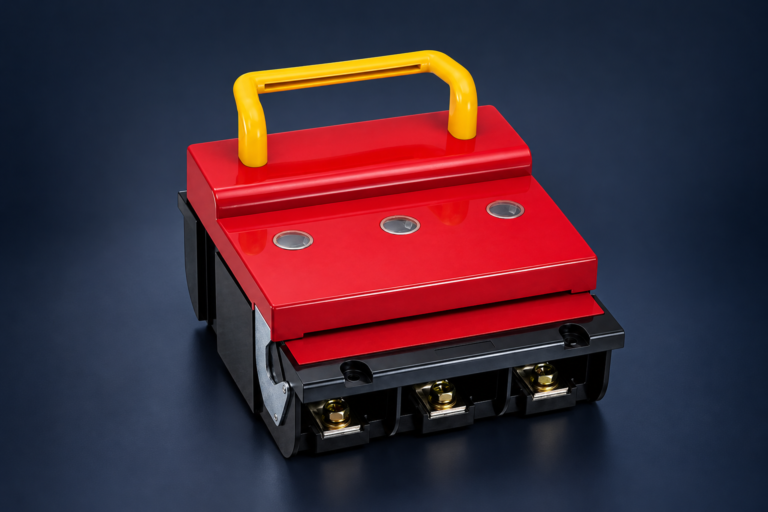
Compare fuse-switch and switch-fuse construction using moving parts, isolation duty, approved fuse combinations, carrier clearance and protection evidence.
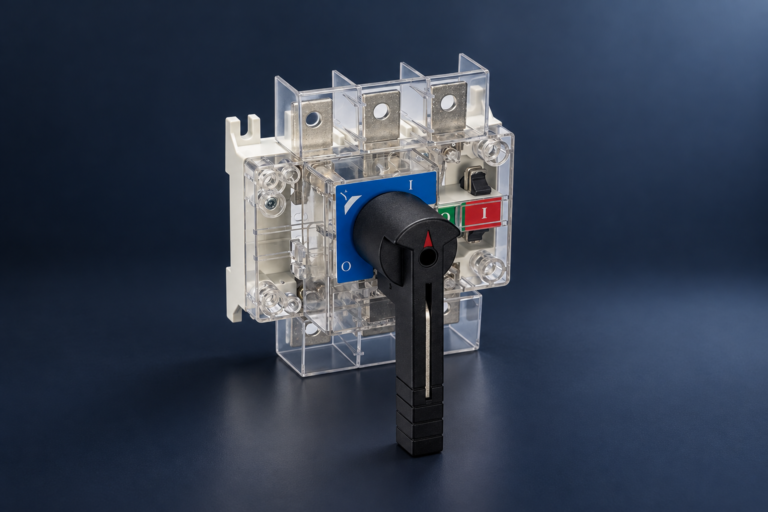
Review transparent switch disconnectors using contact visibility, installed sight lines, indication limits, electrical duty and a documented isolation plan.
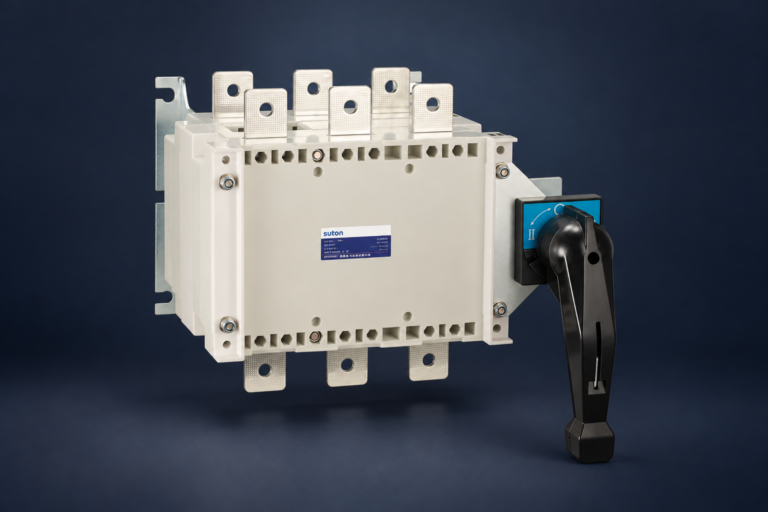
Compare manual changeover and automatic transfer using interruption needs, source controls, neutral switching, protection evidence and the actual operating plan.

Specify low-voltage isolator earthing interlocks with clear circuit boundaries, indication limits, neutral arrangement and documented acceptance checks.
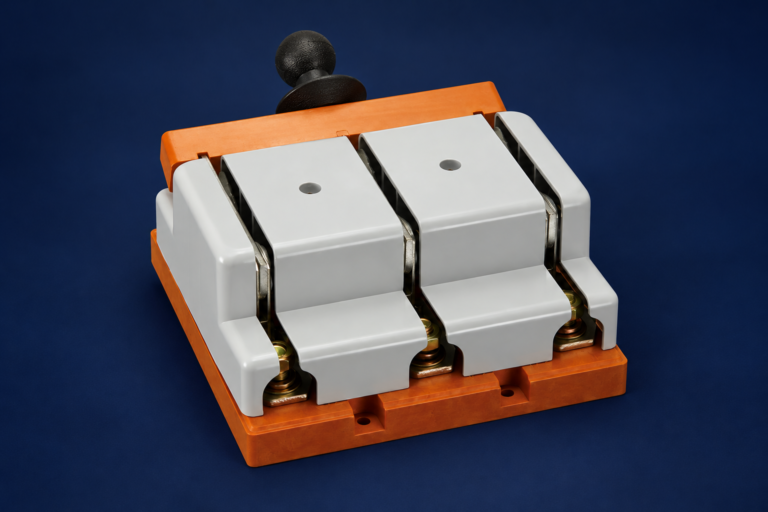
Review switch-disconnector pollution degree, condensation, protective covers and insulation evidence without confusing the classification with an IP rating.
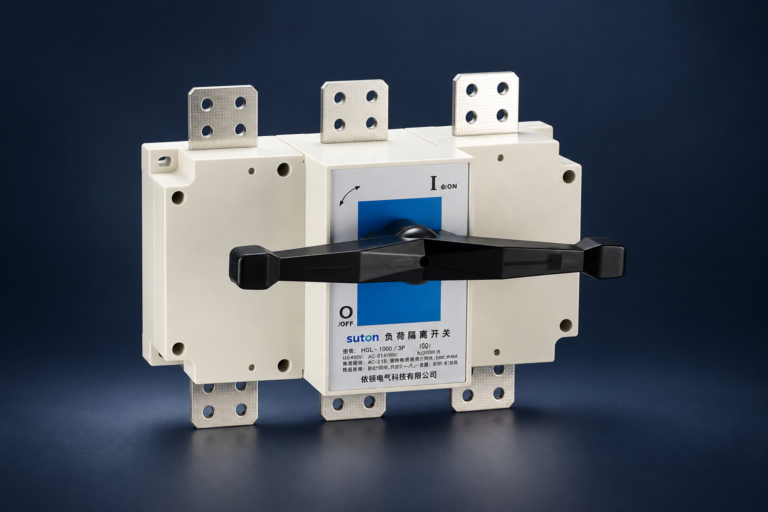
Read switch-disconnector Icw with duration, distinguish peak and interruption duties, and retain the exact protective combination behind conditional fault ratings.
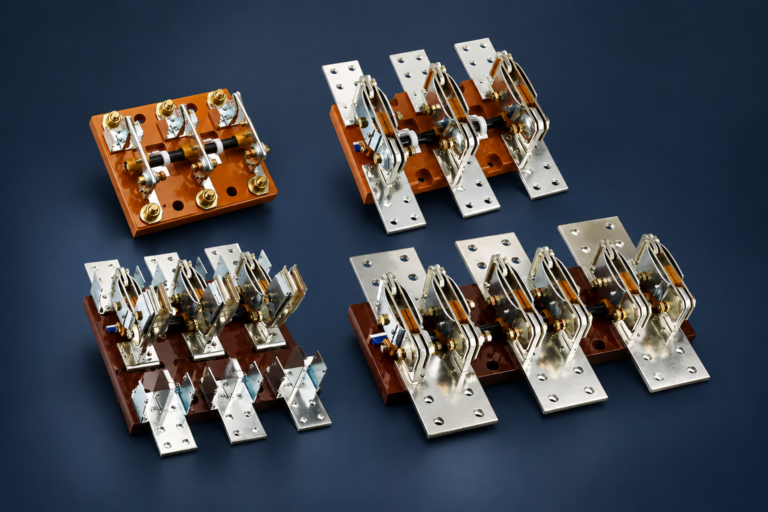
Compare knife-switch construction with declared load-break duty, using actual SUTON model restrictions, utilization categories, protection and isolation evidence.
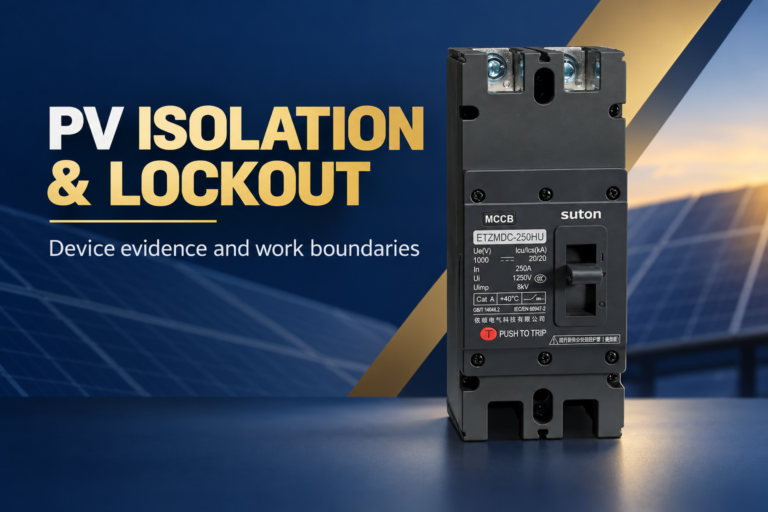
Plan PV DC breaker isolation and lockout by confirming device functions, maintenance boundaries, every energy source, approved accessories and qualified verification.
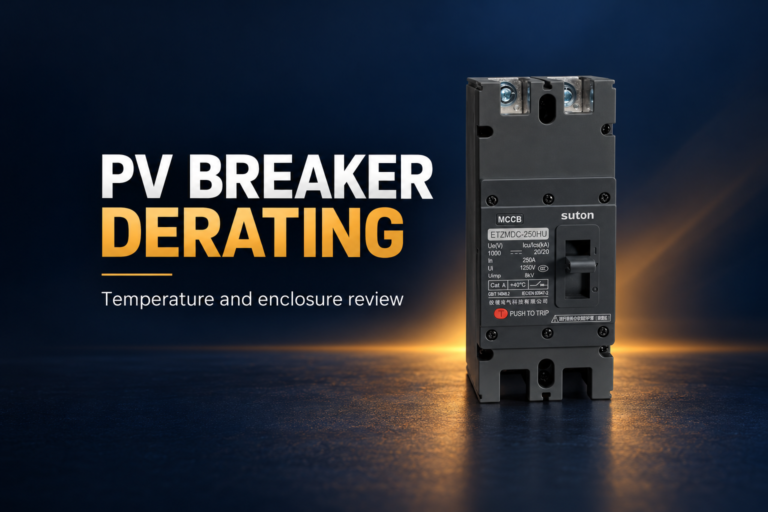
Review PV DC breaker temperature derating with actual enclosure conditions, exact manufacturer data, conductor protection and a clearly hypothetical calculation.
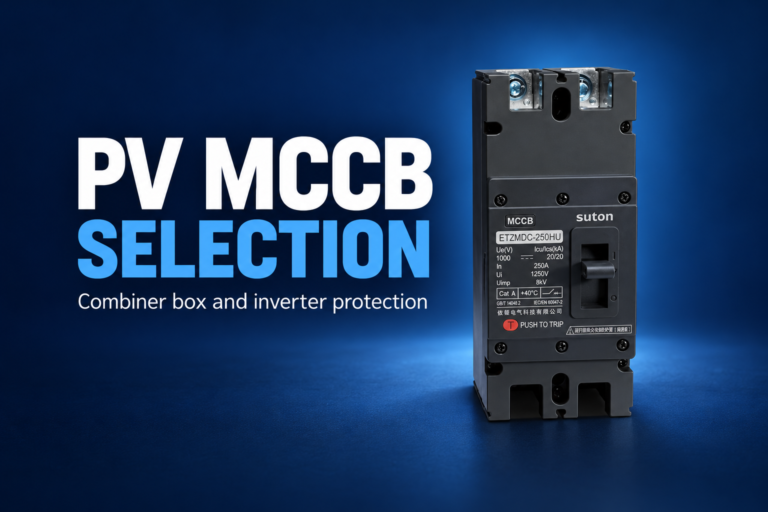
Specify PV MCCBs for combiner and inverter circuits using a purchase schedule covering DC or AC duty, voltage, current, fault contribution and enclosure conditions.