
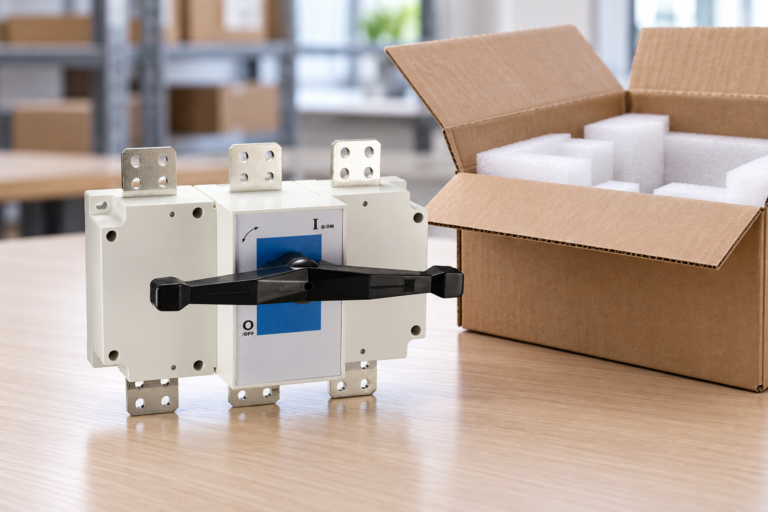
Receiving Switch Disconnectors: Shipping Damage and Acceptance Records
Check switch disconnector deliveries for identity, packaging damage and missing documents; preserve evidence and obtain an authorized disposition.


Check switch disconnector deliveries for identity, packaging damage and missing documents; preserve evidence and obtain an authorized disposition.
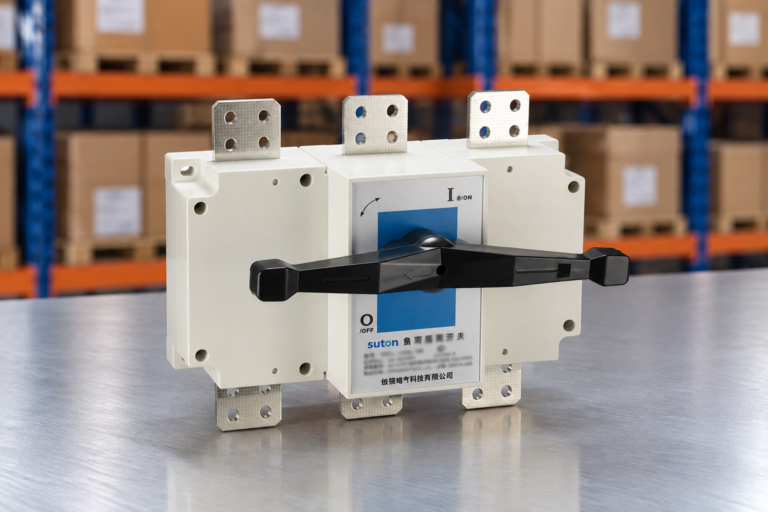
Plan switch disconnector storage, record suspected moisture exposure and obtain manufacturer disposition before release to installation.
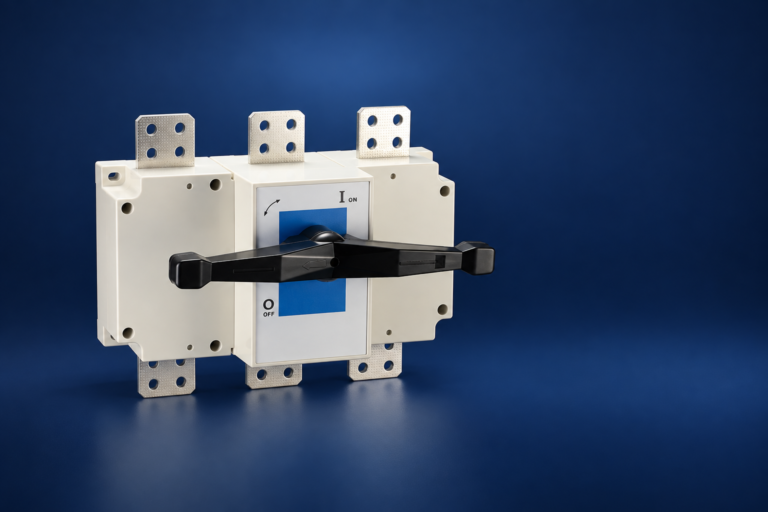
Review switch disconnectors for corrosive environments using actual exposure, material and enclosure evidence, manufacturer limits and acceptance records.
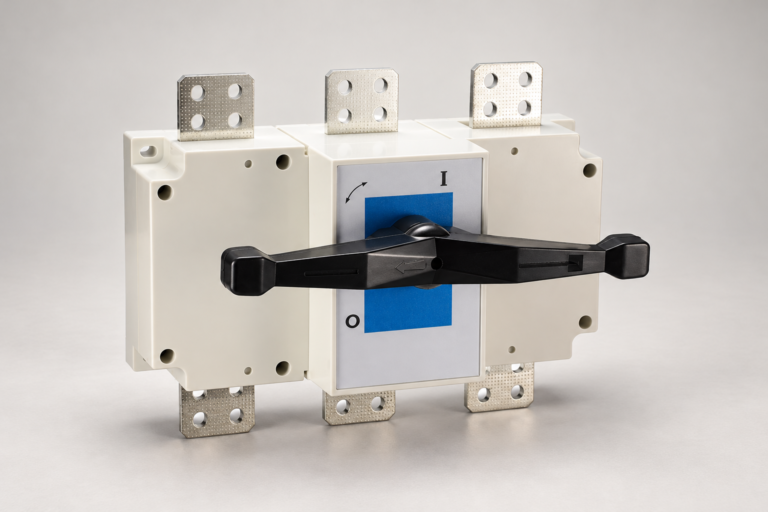
Review switch disconnector mounting orientation and clearance using approved model drawings, conductor arrangements, cabinet layout and handover records.
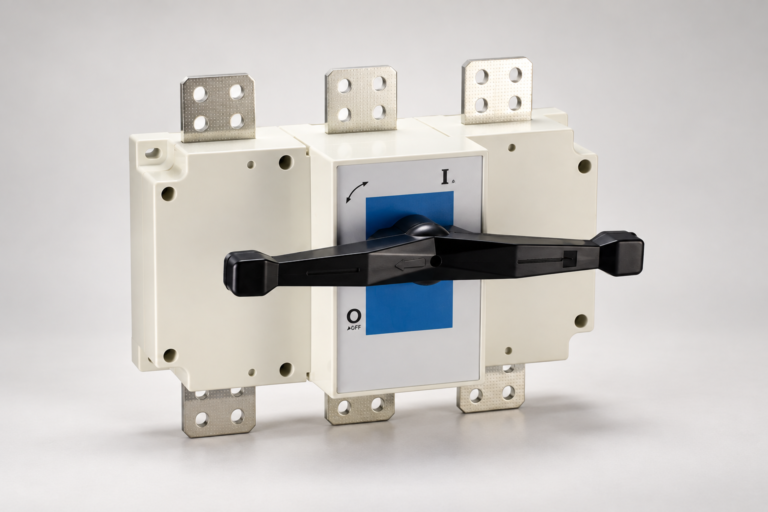
Distinguish switch disconnector Ui, Uimp and operational voltage; request model-specific insulation evidence without inventing ratings or test methods.
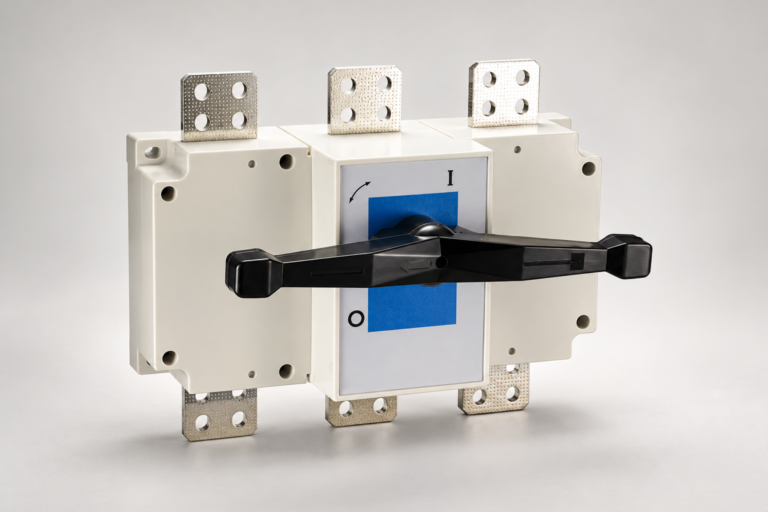
Confirm a switch disconnector replacement handle using exact device identity, approved part codes, drawings, indication, locking and handover evidence.
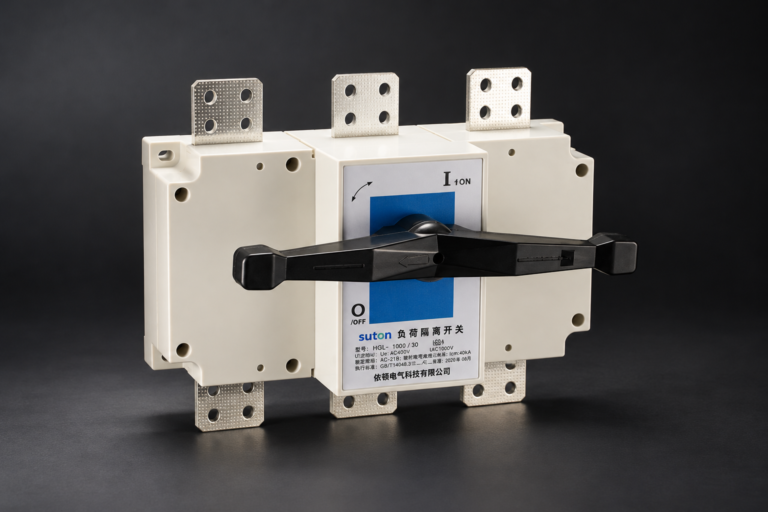
Specify switch disconnector terminal connections with exact instructions, conductor details, hardware and records; distinguish terminal and operating torque.
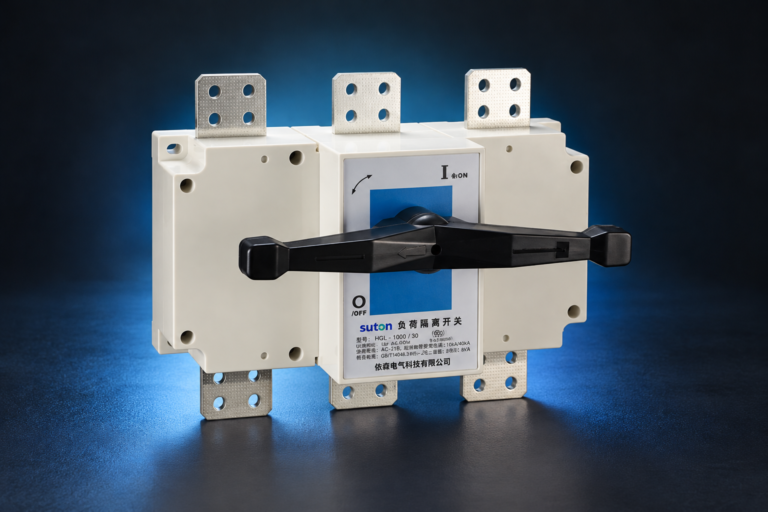
Review switch disconnector auxiliary contact ratings using the actual control voltage, load, signal level, accessory code and contact sequence.
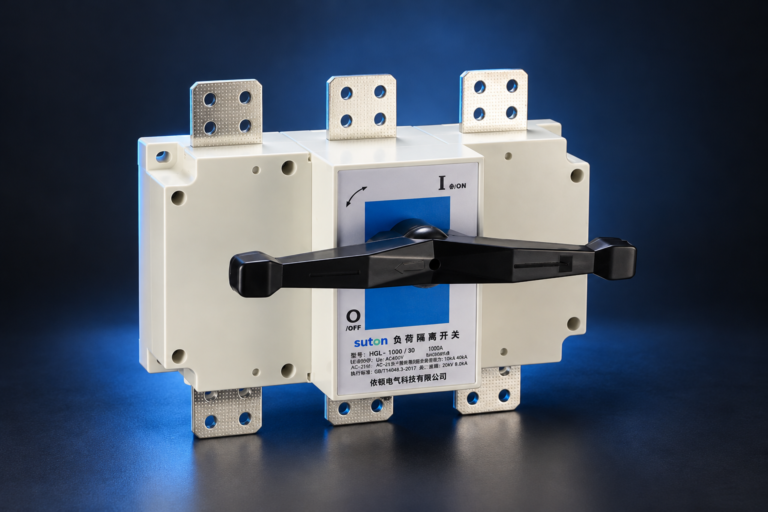
Check switch disconnector padlock compatibility using the exact handle, permitted position, lock dimensions, cabinet layout and documented handover.
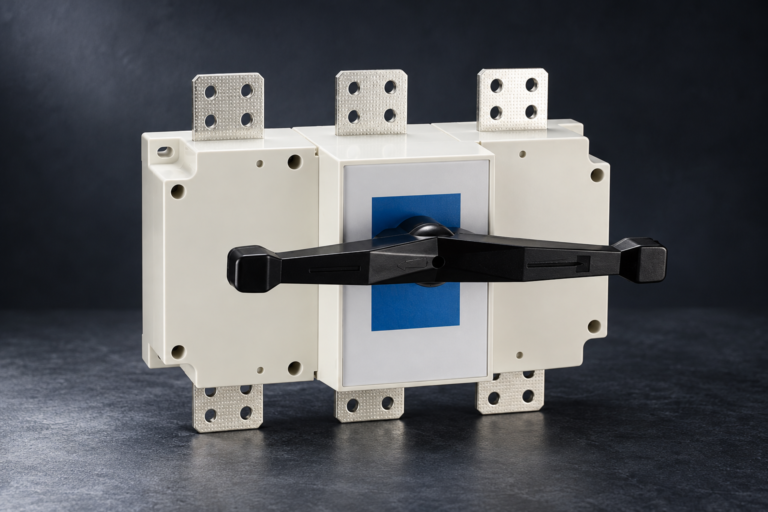
Review switch disconnectors above their declared normal altitude using manufacturer approval, insulation conditions, thermal duty and assembly evidence.

Choose switch disconnector current using Ith, Ie, operational voltage, utilization category and enclosure conditions, with a clear supplier review checklist.

Compare mechanical and electrical endurance for switch disconnectors using the actual load duty, cycle definition, model restrictions and supplier evidence.