


AFDD with RCBO arrangements combine arc-fault detection with residual-current and overcurrent protection, but the correct wiring depends on the exact devices and manufacturer coordination data. Some applications use an AFDD with an MCB, while others use an integrated or paired AFDD and RCBO. Confirm pole functions, neutral routing, line/load orientation, busbar compatibility, breaking capacity and test procedures before approving the panel schedule.
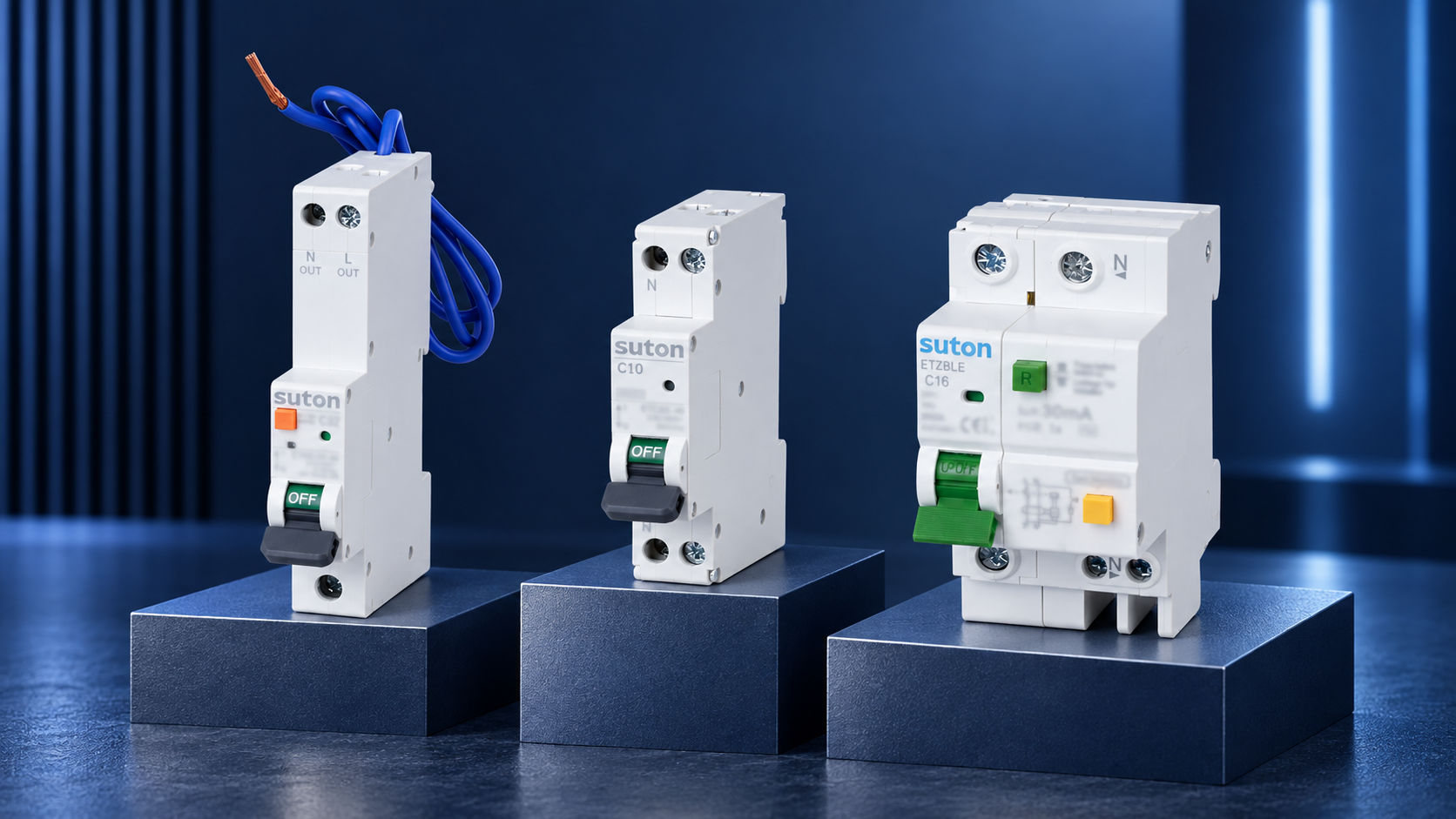
Decision table
| Arrangement | What it can provide | Evidence required |
|---|---|---|
| AFDD with MCB | Arc detection plus overcurrent | Exact pairing, terminals and test method |
| AFDD with RCBO | Arc, residual-current and overcurrent functions | Manufacturer coordination and wiring diagram |
| Integrated device | Combined functions in one product | Complete product scope and ratings |
| Any arrangement | Defined isolation and maintenance boundary | As-left drawing and commissioning record |
Use the table as a screening aid, then verify each item against the exact AFDD, MCB or RCBO documentation. The parent circuit-breaker guide gives broad context, while afdd vs rcbo and 1pn vs 2 pole rcbo cover related protection decisions.
Choose the arrangement from the risk and product scope
Start by stating the arc, leakage, overload, short-circuit and isolation objectives. Then identify whether the AFDD is upstream or integrated, which device provides overcurrent protection and where residual-current sensing occurs. A visually similar device can have different terminal, neutral and test behavior, so use the exact model diagrams.
Check coordination and physical fit
Verify rated current, short-circuit capacity, curve, residual-current type and sensitivity, pole arrangement, busbar, neutral bar, enclosure clearances and accessories. Ask for tested combinations and limitations. Do not connect an AFDD and RCBO as a field experiment or assume that a family datasheet covers every pairing.
Commission the complete combination
Test each function under the approved method, record device identity and results, and retain the as-left drawing. Repeat the review after a panel, source, cable, setting, firmware or accessory change.
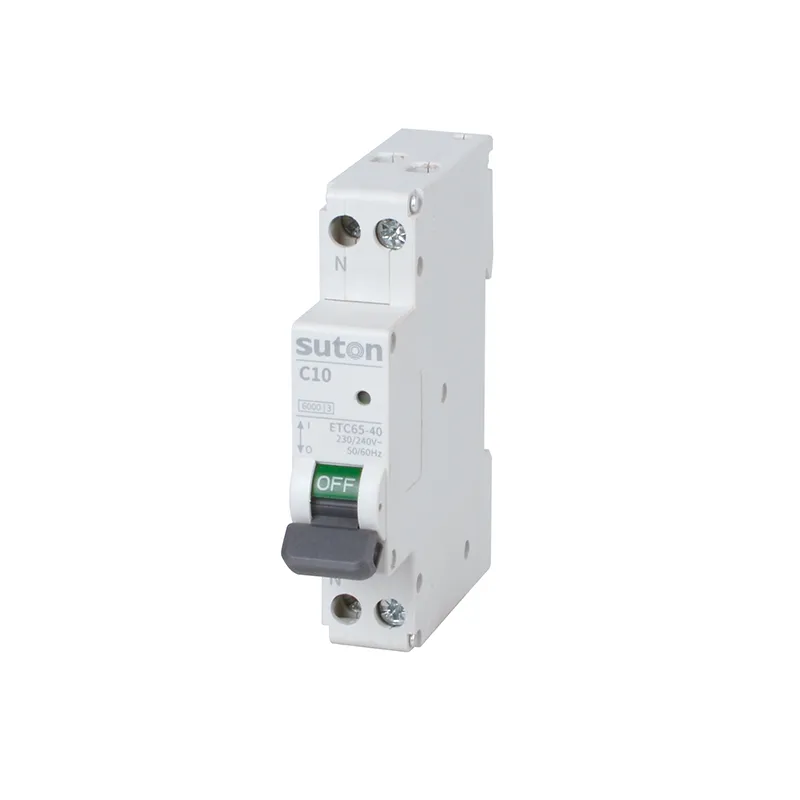
Separate arc, overcurrent and residual-current protection
AFDD, MCB, RCBO and RCCB functions address different electrical phenomena. An AFDD looks for signatures associated with hazardous arcing; an MCB or the overcurrent section of an RCBO responds to overload and short-circuit current; an RCBO or RCCB responds to residual current through its sensing path. One device should not be described as a universal substitute for the others. The correct arrangement depends on the circuit, product scope, local rules and the project risk assessment.
Start with system voltage and frequency, phase and neutral arrangement, earthing system, conductor size, prospective fault current, connected loads, cable routing, required disconnection time and the operating modes. Draw normal, standby, transfer, generator, bypass and maintenance conditions. Retain the exact model code and manufacturer wiring diagram.
Use product evidence and an installation study
Ask the supplier for the complete AFDD code, rated current, compatible upstream and downstream devices, arc-detection scope, terminal diagram, test-button operation, short-circuit rating, accessories, ambient limits and commissioning method. A general brochure may show a family but not the specific wiring or coordination conditions. Record the document revision and any limitations on the compliance schedule.
IEC 61009-1:2024 provides RCBO context where an RCBO is part of the arrangement. HSE electrical-safety guidance reinforces competent work and safe isolation. Apply the standards and rules adopted by the project; neither source approves a specific SUTON combination.
Commission and keep the as-left record
Before energization, verify device identity, terminals, neutral routing, conductor placement, torque, barriers, labels, settings, test-button operation and isolation boundaries. Record the instrument, test method, operating mode, result and drawing revision. A test button exercises a defined internal circuit; it does not prove every arc, overcurrent or residual-current condition.
Repeat the review after a load, cable, source, setting, firmware, enclosure, busbar or accessory change. If an AFDD operates unexpectedly, preserve the as-found state where safe and change one variable at a time. Mark missing evidence as conditional and obtain engineering approval rather than substituting a similar-looking device.
Supplier questions that prevent rework
- What exact AFDD model and option package is offered?
- Which conductors and devices are included in the sensing and switching path?
- What upstream/downstream combinations and fault levels are covered?
- What test method and instrument limits are required?
- Is the arrangement an AFDD alone, AFDD with MCB or AFDD with RCBO?
- Which busbar, neutral, ambient and enclosure restrictions apply?
- Which drawing and datasheet revisions belong in handover?
Keep the final model code, settings, test result, protection study, wiring diagram and approval together. A clear limitation is safer than a blank field that later appears to be approval. Use the SUTON ETB9LAF product page as the quotation starting point and the circuit-breaker types guide for broader context.
Review the circuit before accepting a quotation
List each outgoing circuit, conductor size and length, connected load, expected inrush, ambient condition and maximum fault current. Identify whether the circuit is single phase or three phase, whether the neutral is distributed, and whether the panel uses a busbar, comb connection or flexible link. These details affect terminal capacity, heat dissipation and isolation as well as the protective functions.
For a new panel, compare the AFDD schedule with the schematic, panel layout and cable schedule line by line. For a replacement, save a before snapshot of the existing device, model code, terminal positions, settings and date. A change that appears small—such as moving a feed to another busbar position or adding an auxiliary contact—can alter the neutral route, isolation boundary or available fault duty. Record the reason and the approving person.
Use controlled tests and change one variable at a time
Define the acceptance test before energization: visual inspection, conductor identification, connection check, protective-conductor continuity, insulation or leakage check where applicable, AFDD test-button operation, associated overcurrent or residual-current tests, and verification of labels and barriers. State which values come from the manual, which come from the protection study and which come from the adopted rules. A test result without its method and instrument range is difficult to audit.
When a test fails, preserve the as-found state where safe and investigate one variable at a time. Do not change the device type, setting, wiring and load simultaneously. Check whether the quoted code is installed, whether line and load terminals match the drawing, whether the neutral follows the intended sensor and whether the source is in the expected mode. If a corrective action changes a drawing or setting, issue a revision and repeat the affected tests.
Keep maintenance information usable
At handover, give the owner the final model code, rating, arc-detection scope, associated MCB or RCBO, terminal diagram, accessory list, test result, drawing revision and maintenance limitations. Label the device and circuit so a future technician can identify the isolation point without guessing. Reassess after a transformer, generator, inverter, charger, motor drive, cable route, firmware, enclosure, busbar or source change.
Ask the supplier to state what the AFDD detects, what it does not detect, which arc conditions are outside the declared scope and how the device should be tested. Keep those answers with the panel record and procurement documents.
Make the decision auditable
Record the hazard assessment, selected device arrangement, exact model codes, source and load conditions, conductor schedule, prospective fault-current result, neutral and protective-earth paths, test method, measured values, drawing revision and approval. If the quotation depends on a particular busbar, enclosure, upstream breaker or firmware version, write that dependency beside the selection. This prevents a later replacement from being judged only by shape or nominal current.
When a device operates unexpectedly, preserve the as-found wiring where safe, identify the operating mode and avoid changing several settings at once. Inspect loose connections, damaged insulation, moisture, cable routing, neutral paths and connected loads using the approved safe-work procedure. The goal is to understand the event without disabling protection. After a repair, repeat the affected tests and update the handover record now.
Keep the final approval with the panel documents so future inspections can confirm the same assumptions, terminals, settings and test boundaries. Date each revision and identify the responsible reviewer.
Write the limitation beside the selection rather than relying on memory or a generic catalogue description during handover and later inspections at the site for review.
Keep the approved record with the panel documents so future inspections can confirm the same assumptions, terminals, settings and test boundaries.
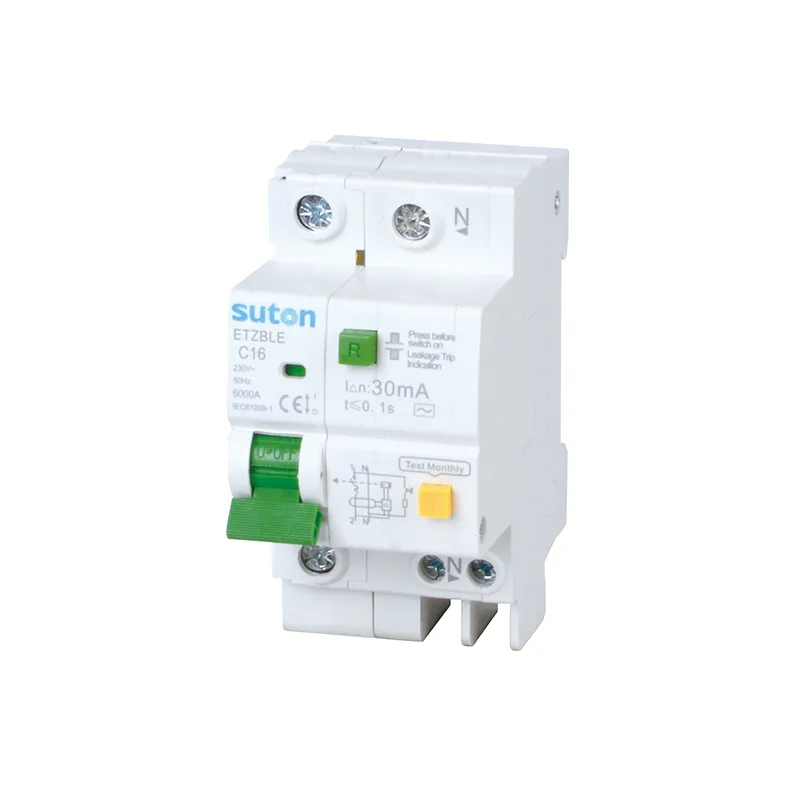
Educational video
This neutral electrical-safety lesson provides background on residual-current protection and safe work. It does not replace AFDD product instructions, the project study or commissioning procedure.
Watch the residual-current safety lesson on YouTube.
Frequently asked questions
Can any AFDD be paired with any RCBO?
No. Use only combinations and wiring arrangements covered by the exact manufacturer documentation and project approval.
Which device protects against overload?
The MCB or RCBO overcurrent function normally provides that role; verify the actual arrangement and ratings.
What should the panel schedule show?
Show AFDD, MCB or RCBO model codes, pole and neutral functions, ratings, settings, wiring, test method and coordination evidence.