
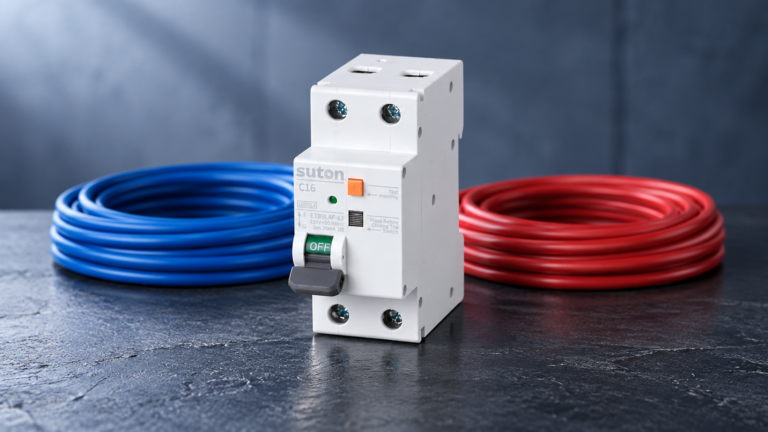
Series Arc vs Parallel Arc Faults: How AFDD Protection Differs
Series vs parallel arc fault describes two different current paths. A series arc occurs along a single current-carrying path, such as a loose or damaged co


Series vs parallel arc fault describes two different current paths. A series arc occurs along a single current-carrying path, such as a loose or damaged co
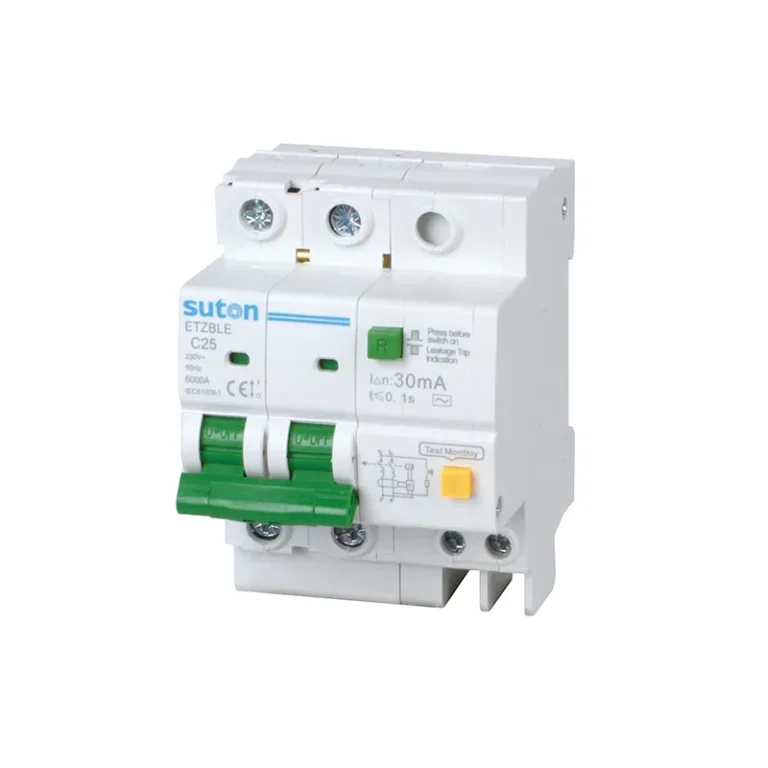
Type F RCBO selection is considered for certain single-phase electronic loads whose residual-current waveform and frequency behavior are not represented by
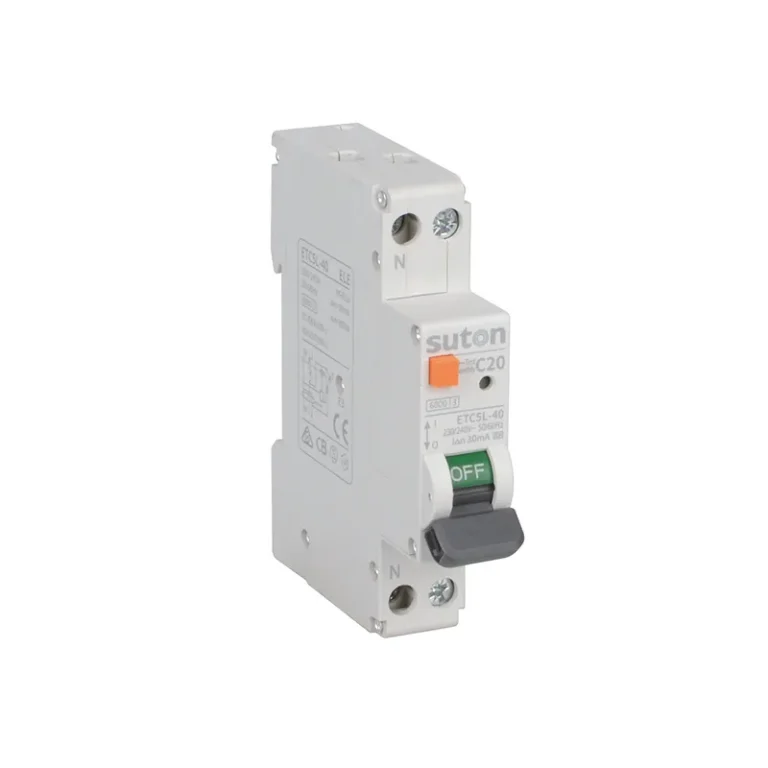
RCBO testing should prove that the installed device matches the approved design, that conductors and neutral paths are correctly routed, and that the resid
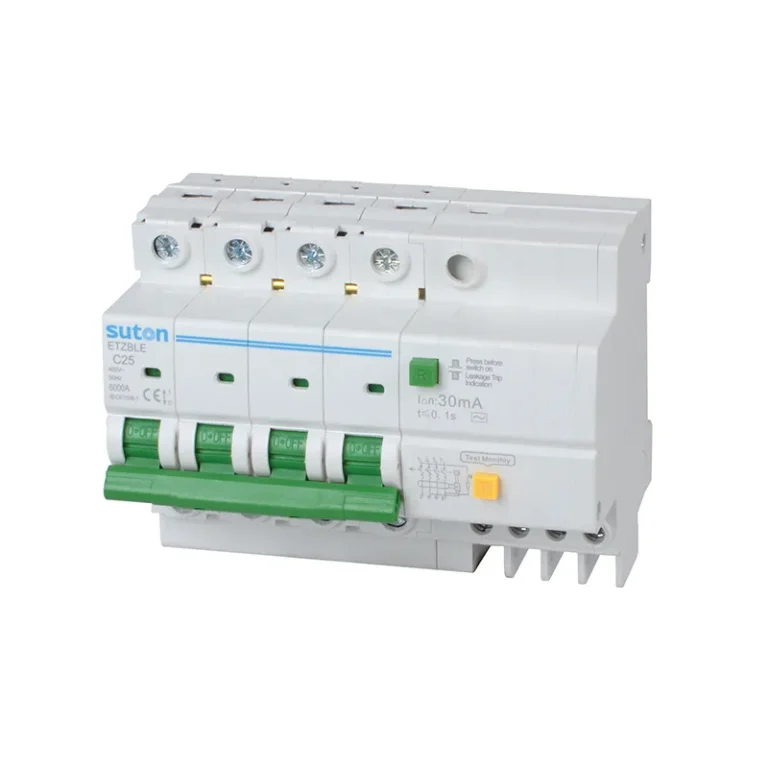
How RCBO works becomes clearer when its three responses are separated: the thermal or electronic overcurrent function addresses sustained overload, the mag
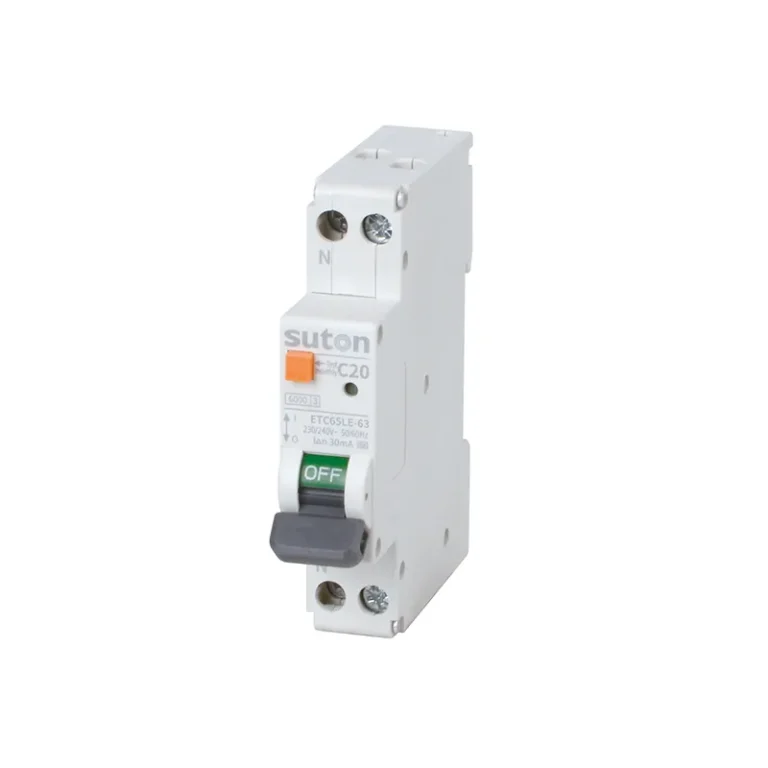
RCBO line load orientation matters whenever the manufacturer specifies supply and load terminals, a direction-sensitive test circuit, electronic sensing or
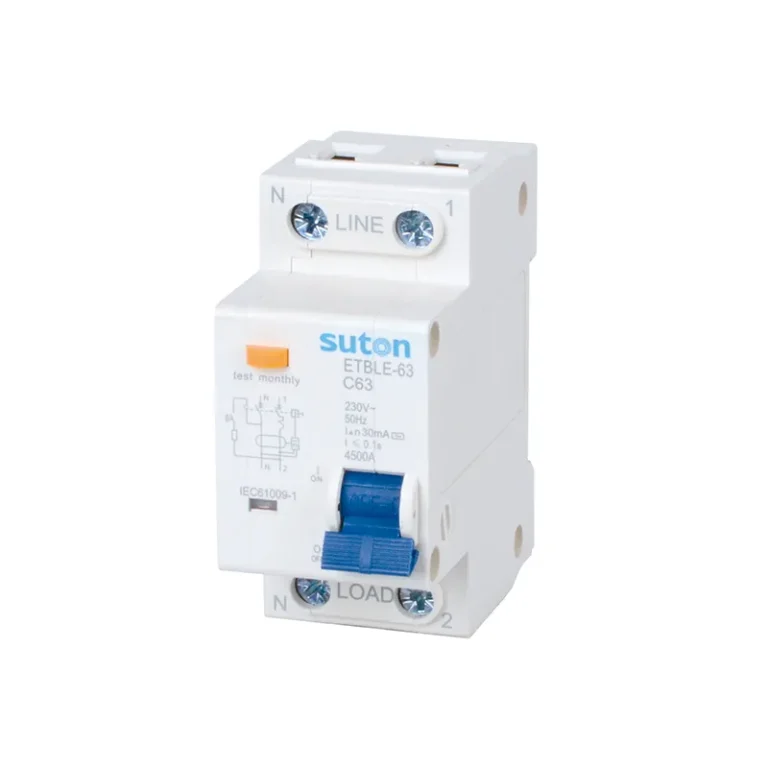
1P+N vs 2 pole RCBO is a question about what the device senses, switches and protects—not just how many terminals appear on the front. A 1P+N RCBO may prot
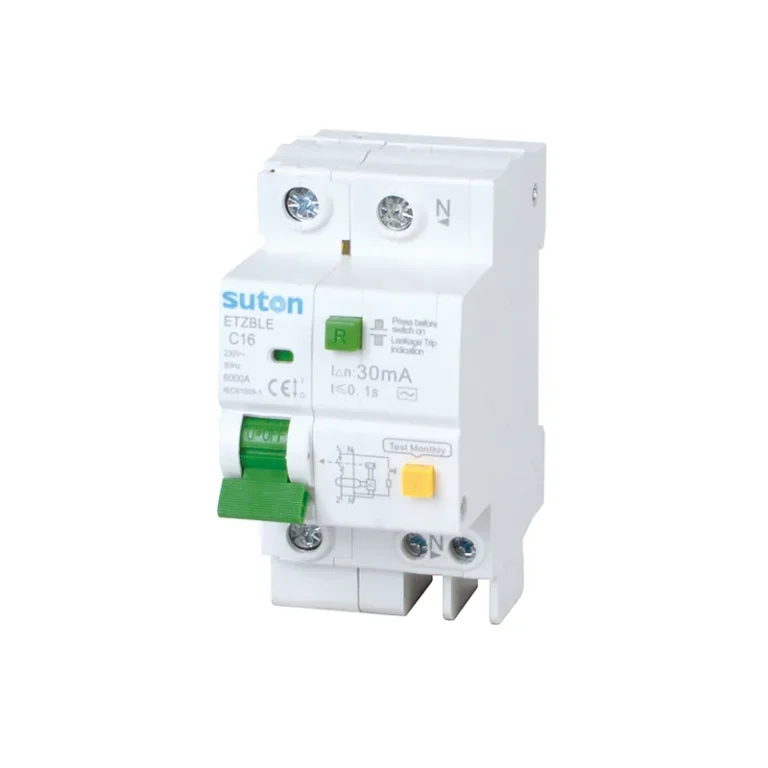
RCBO breaking capacity must be selected from the prospective short-circuit current at the installation point, the supply arrangement, the manufacturer’s te
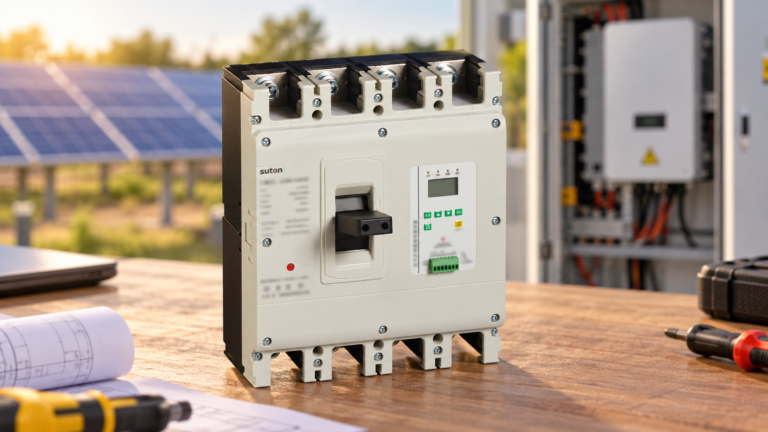
RCCB for solar inverter selection must consider inverter topology, transformer isolation, DC residual-current behavior, AC-side leakage, anti-islanding fun
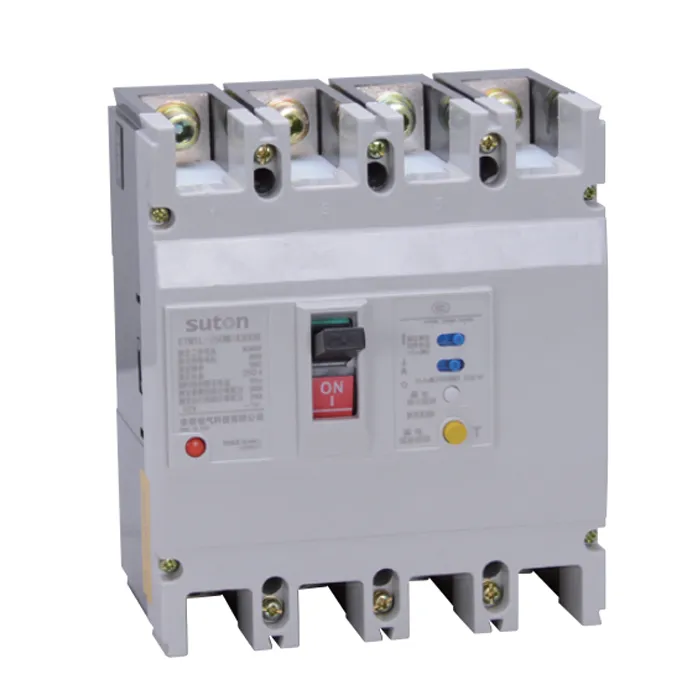
RCCB for EV charger selection depends on the charger mode, built-in residual-current detection, supply arrangement, installation rules and whether smooth D
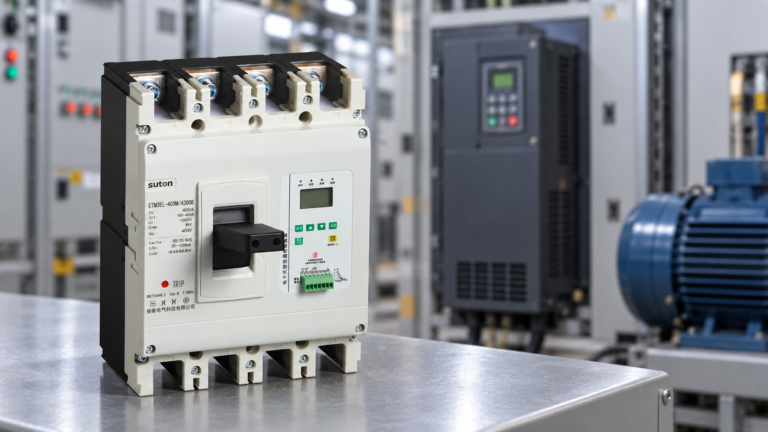
RCCB for VFD selection must account for the drive input filter, switching waveform, motor-cable length, leakage current, EMC components and the residual-cu
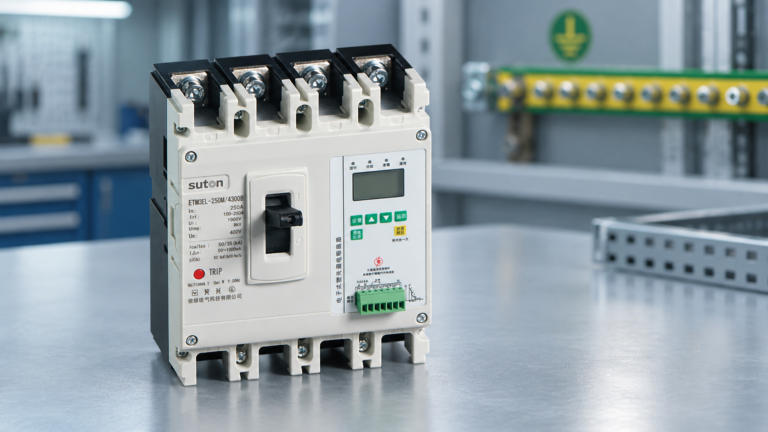
RCCB earthing system selection must begin with the supply arrangement, protective conductor path and required disconnection time. TT, TN-S and TN-C-S syste
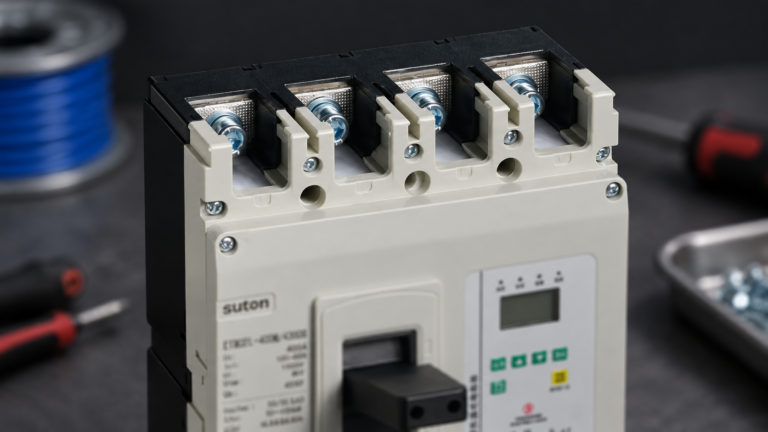
RCCB neutral wiring must keep the load neutral within the same residual-current sensing path as its associated live conductors. Unexpected trips often foll