


Fifteen amperes is a common branch-circuit marking — useful only after the circuit duty, conductor protection, and panel interface are documented.
Panel builders receive the rating as a schedule row or a replacement label, not as a complete specification. Convert that request into voltage, load basis, poles, trip characteristic, fault duty, and mounting data before any quotation comparison begins.
Important: This guide structures 15 A branch-circuit selection for LV panels in line with MCB product scope in IEC 60898-1 and assembly integration practice in IEC 61439-1. It cannot approve a device marking, curve, or breaking capacity where circuit load, conductor protection, fault duty, or panel interface data is missing — hold those inputs for engineering review before procurement.
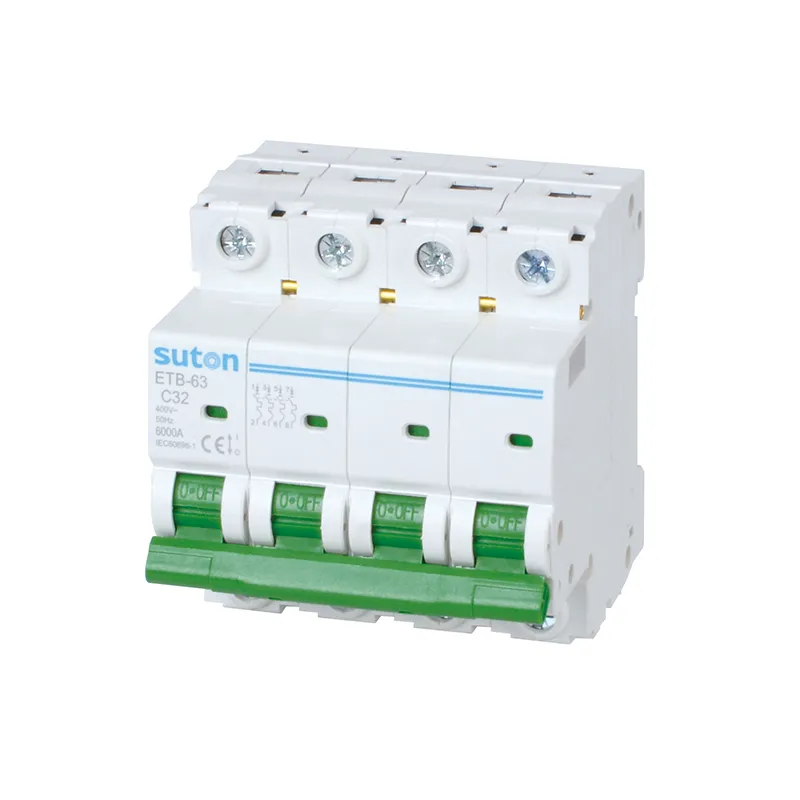
Part 1. Turn a 15 amp circuit breaker request into panel inputs
A 15 A label usually means a lighting or general-purpose branch circuit, but the schedule must still name the circuit function, design current, and source arrangement. Device-family fundamentals stay in the MCB breaker guide; this article owns the rating-level decision for small branch positions.
| Selection factor | Why it matters for the panel | Send with quote |
|---|---|---|
| Circuit function and design load | fixes the load basis for the rating | yes |
| Nominal voltage and supply arrangement | fixes poles and earthing context | yes |
| Conductor protection method and calculation reference | proves the breaker protects the installed circuit | yes |
| Prospective fault current at the device terminals | fixes breaking-capacity duty | yes |
| Trip characteristic required | fixes inrush vs overload behavior | yes |
| Pole count and neutral switching need | fixes circuit arrangement | yes |
| Rail profile, busbar interface, and enclosure class | fixes physical fit | yes |
| Applicable standards and quantity | fixes approval scope and batch size | yes |
Projects that skip the table often receive quotations built on nominal current alone. That produces a second cycle once fault duty, curve choice, or busbar compatibility is challenged during assembly.
Part 2. Confirm load basis and conductor protection before rating
Record the circuit’s design current from the approved load calculation or appliance documentation — not from the previous device’s faceplate. The breaker rating must cover the documented load with the margin the design authority accepts, without exceeding what the conductor calculation supports.
Conductor sizing is a project calculation under the applicable installation rules; this guide quotes no universal gauge table. The protected conductor’s corrected capacity must support the selected breaker rating, because the device exists to protect that circuit. File the calculation reference in the schedule row so a later load change triggers a review instead of an informal uprating.
Where a generator, inverter, UPS, or parallel source changes available fault current, retain the operating condition in the selection record. A generic 15 A request should remain on hold until those inputs have an accountable source.
Part 3. Match trip curve and breaking capacity to documented duty
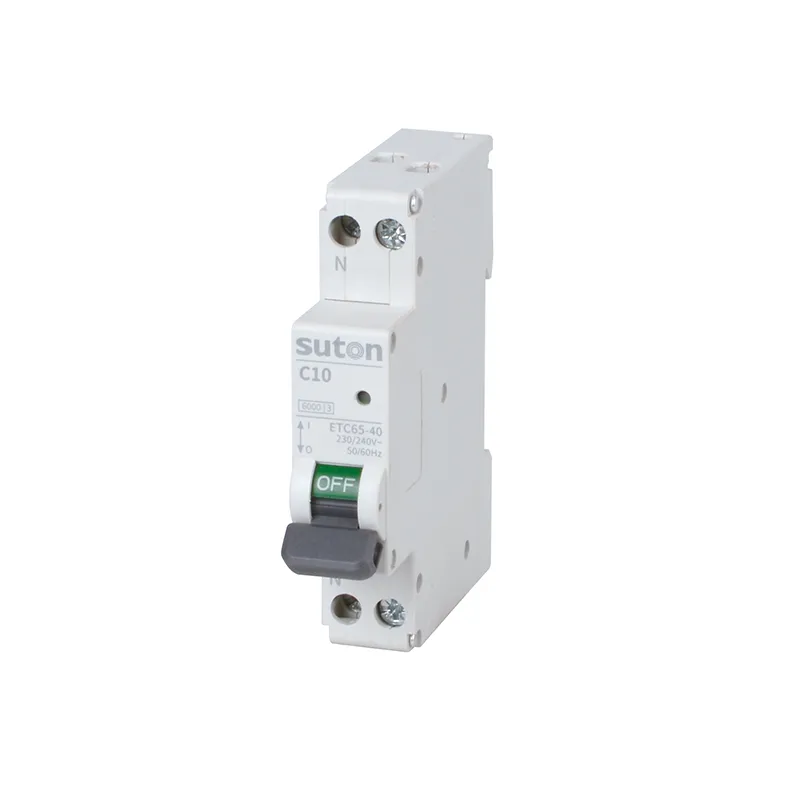
Thermal-magnetic devices combine overload response and instantaneous response. The curve must reflect documented inrush and fault-loop conditions rather than a convenient stock code. Equally, the stated breaking capacity must exceed the prospective fault current at the installed position.
Two devices marked 15 A can therefore serve different applications. Do not change a curve after a nuisance trip until the load condition, conductor route, and circuit fault evidence have been reviewed — the structured investigation lives in the circuit breaker trip guide.
Part 4. Verify poles, neutral treatment, and panel interfaces
Pole configuration must match the required line and neutral switching arrangement under the applicable rules. Confirm the rail profile, module width, comb-busbar tooth pattern, terminal orientation, conductor range, and enclosure clearances against the assembly drawing.
A device that physically clips to DIN rail may still be unsuitable for the specified busbar system. The panel builder should also identify how circuit labels, neutral conductors, and test records will remain traceable after installation. These details prevent an apparently equivalent replacement from changing the protected circuit’s function.
Part 5. Coordinate the branch device with upstream protection
A 15 A MCB normally sits at a branch-circuit position; upstream devices, residual-current protection, and surge protection have separate roles. Selectivity and backup arrangements must come from the project study and device instructions — the general framework sits in the circuit breaker guide.
An ordinary MCB does not detect residual current, and it does not become an SPD merely because both devices appear in the same enclosure. Keep each function visible in the device schedule so procurement does not substitute a product based solely on amp rating or a similar front profile. Residual-protection boundaries are covered in the residual current circuit breaker guide.
Part 6. Route a documented 15 A breaker inquiry
Send with the inquiry:
- approved single-line diagram and circuit schedule with the 15 A row highlighted
- circuit function, design load, and conductor calculation reference
- nominal voltage, poles, and neutral treatment
- required trip characteristic and breaking capacity vs fault study
- rail or busbar interface, enclosure class, and terminal needs
- applicable standards, labeling expectations, and quantity
Require suppliers to declare the exact offered marking, curve, poles, breaking capacity, installation instructions, and any exceptions against the controlled documents. Hold the engineering decision when fault duty or conductor protection evidence is incomplete.
Fit Boundary: this guide structures 15 A branch-circuit selection inputs for LV panels. It does not perform conductor calculations, does not decide national rule applicability, and cannot approve a device where fault duty, protected conductor data, or panel interface details are missing. Escalate those gaps to the design authority before the package is priced.
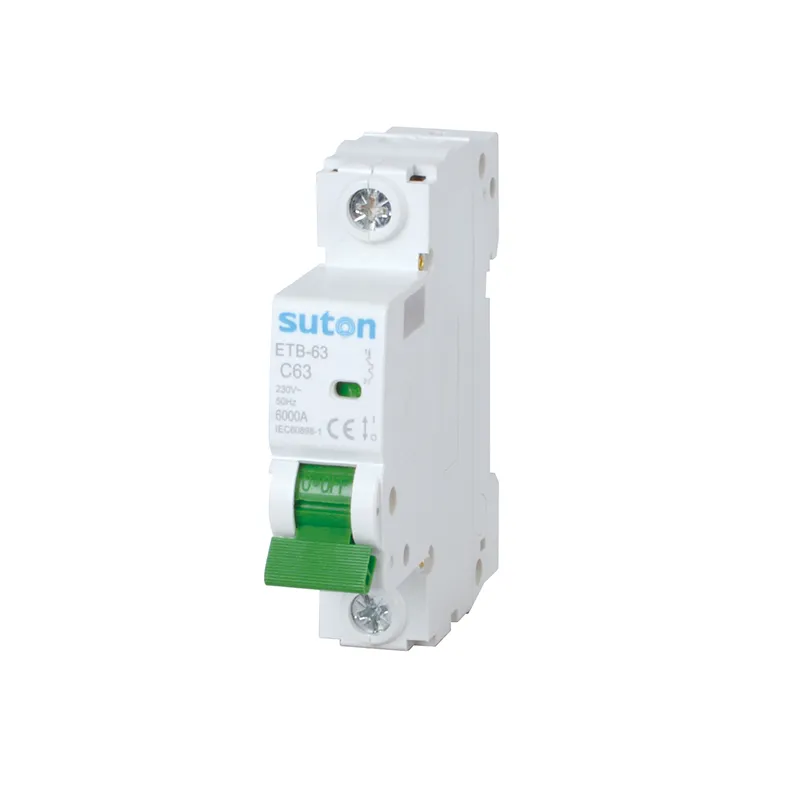
Use SUTON’s modular DIN rail products as a public category route and review the DZ47 series miniature circuit breaker only after the required marked characteristics are documented. Submit the approved schedule, fault duty, poles, interface, and quantity through Contact SUTON for model-level confirmation.
Branch-circuit records that survive panel changes
Label the circuit for its purpose, not only its rating. “Lighting — east wing — 15 A” on the panel chart prevents a later crew from borrowing the way for an unrelated load because it looked spare.
When connected load changes, re-open the schedule row. Added outlets, swapped luminaires, or informal heater connections can invalidate the curve or the conductor pairing; the calculation reference makes that re-check a short review instead of a field guess.
Keep delivered-marking records with the panel dossier. Branch circuits attract substitutions over the years, and an auditable trail of what was installed — and approved — is the cheapest defense against silent uprating.
FAQ
What does a 15 amp circuit breaker request mean?
It is a preliminary branch-circuit protection request that needs documented load, voltage, poles, fault duty, curve, and panel-interface data before selection.
Which electrical inputs must be confirmed?
Confirm circuit duty, voltage, poles, conductor protection, source arrangement, and prospective fault current at the installed location.
How do trip curve and fault duty affect the choice?
The curve must fit documented load behavior, and the stated breaking capacity must exceed the available fault current at the terminals.
Why do poles and panel interfaces matter?
They determine line and neutral switching, physical mounting, busbar compatibility, and traceable circuit installation.
How should the breaker coordinate with other devices?
Keep overcurrent, residual-current, and surge-protection duties separate and verify coordination from the approved study.
What belongs in a 15 amp circuit breaker RFQ?
Include voltage, load, conductor reference, poles, curve, fault duty, busbar interface, enclosure conditions, standards, and quantity.