


If a specification calls for a 150 amp breaker, do not assume that the nearest listed device is automatically acceptable. SUTON’s public ETM1 rated-current table lists 125 A and 160 A around this point, but it does not list an exact 150 A value. The correct next step is an engineering and manufacturer check—not silent rounding.
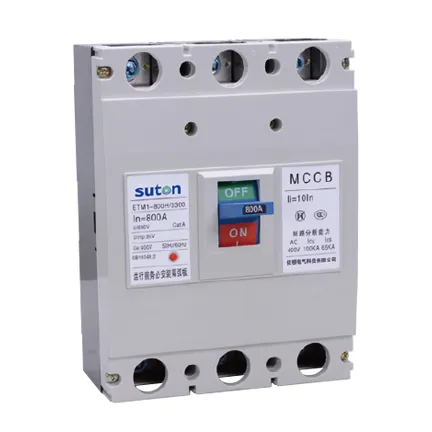
This distinction makes the topic useful for panel builders: “150 A” may describe a calculated load, a service or feeder requirement, a legacy device label, or an exact trip requirement. Those meanings lead to different decisions.
First identify what the 150 A number represents
Ask where the value came from. A design current, a conductor ampacity, a panel bus rating and a breaker rated current are not interchangeable. Preserve the original requirement and its source in the design record.
The 125 amp breaker guide and 100 amp breaker guide provide adjacent rating context, but neither authorizes a substitution for a 150 A request.
Resolve the gap before selecting a frame
| Question | Evidence required | Why it matters |
|---|---|---|
| Is 150 A the calculated load or requested breaker rating? | load schedule and design basis | a load value may require a different protective rating |
| Can the conductor be protected by the proposed device? | material, cross-section, installation, temperature and code method | prevents an oversized protective setting |
| Is an adjustable trip unit permitted? | device data and project specification | an adjustable range is not the same as a published fixed 150 A option |
| Which frame is proposed? | frame rating and available trip/rated-current options | frame size does not equal selected current |
| What is the fault duty? | prospective short-circuit calculation | breaking capacity must meet the installation point |
| What coordination is required? | upstream/downstream device data | selectivity must be supported by tables or studies |
| Is 160 A acceptable? | engineering approval and conductor check | numerical proximity alone is insufficient |
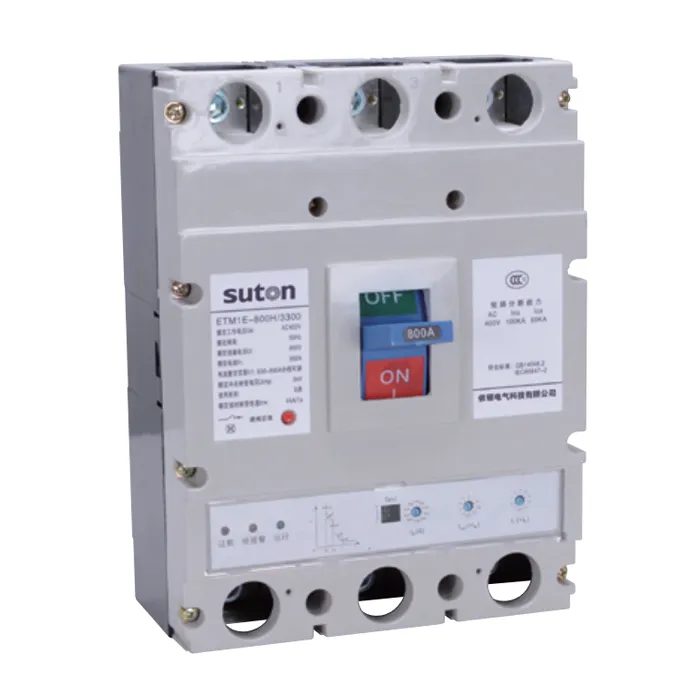
Frame size and rated current must stay separate
An MCCB frame defines a device platform and maximum capability. The selected rated current or trip setting is another field. A 160 A option inside a suitable frame does not become a 150 A breaker merely because the load estimate is close.
Similarly, an electronic trip unit may provide adjustment, but any proposed setting has to be verified against the exact trip unit, conductor protection, tolerances, coordination and project rules. Do not infer an adjustable 150 A setting from a family-level page that does not publish it.
Build a complete MCCB request
For an RFQ or design query, send:
- source and meaning of the 150 A requirement;
- system voltage, frequency and number of poles;
- calculated load current and duty profile;
- conductor data and installation conditions;
- required fixed rating or permitted trip adjustment;
- prospective short-circuit current;
- required breaking-capacity and service-continuity criteria;
- upstream/downstream coordination data;
- ambient, altitude and enclosure conditions;
- operating mechanism, terminals and accessories;
- applicable standard and evidence required for approval.
This gives the manufacturer enough information to confirm whether an available configuration can satisfy the design without mislabeling it.
Evaluate the ETM1 range without inventing a 150 A model
The SUTON molded-case circuit-breaker family includes the ETM1 Series MCCB. Its public page describes a 10–1250 A family scope, AC operation up to 690 V at 50 Hz, and IEC 60947-2 / GB/T 14048.2 as applicable standards. The rated-current table includes 125 A and 160 A, but not 150 A.
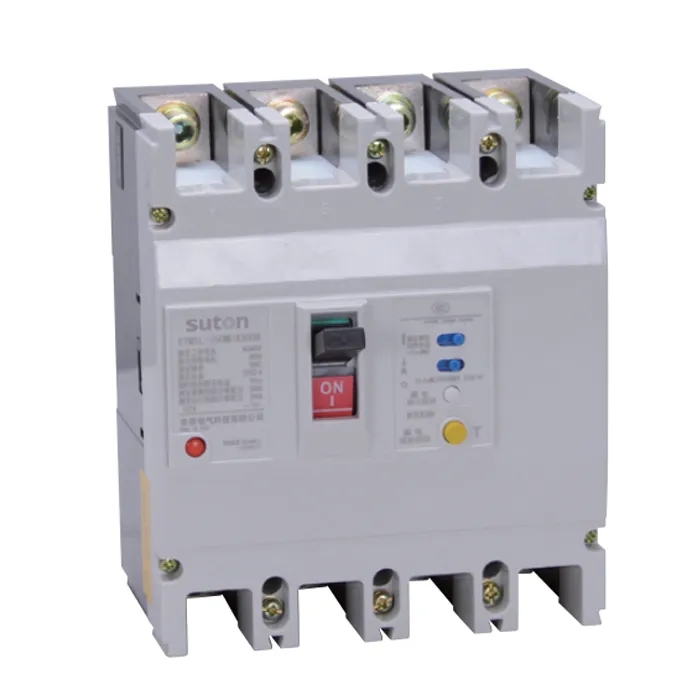
Use the ETM1 page to frame the technical enquiry. Do not publish or order an “ETM1 150 A” configuration until SUTON confirms the exact device, trip arrangement and supporting data. If residual-current or measurement functions are required, treat those as separate verified product-family decisions rather than assumed accessories.