


A double-pole MCB request is a switched-neutral and branch-isolation question — not a single-pole device with an extra link. Panel builders use the phrase when a 230 V single-phase circuit needs documented line-and-neutral switching, overload protection, and modular layout evidence before a branch device is released.
Start with the approved circuit schedule. Record operational voltage, whether both conductors are switched, breaking capacity at the device terminals, trip curve, and downstream load type before comparing quotations.
Important: This guide structures double-pole MCB selection for low-voltage modular distribution panels in line with assembly integration practice in IEC 61439-1 and breaker product scope in IEC 60947-2. It cannot approve a device marking, switched-neutral category, or coordination result where circuit duty, fault level, or upstream protection references are missing — hold those inputs for engineering review before procurement.
Part 1. Turn a double-pole MCB request into documented branch inputs
Ask “which double-pole MCB for this 230 V circuit?” and you are asking for a controlled input set tied to a defined branch position. The same ampere label can represent different duties when the load type, conductor route, or upstream source changes.
| Selection factor | Why it matters for the panel | Send with quote |
|---|---|---|
| Operational voltage and single-phase supply arrangement | fixes application conditions | yes |
| Double-pole switching requirement for line and neutral | fixes isolation category | yes |
| Rated current In and trip curve (B/C/D) | fixes overload and inrush duty | yes |
| Breaking capacity Icn at the device terminals | fixes short-circuit review | yes |
| Downstream load type and inrush behavior | supports curve selection | yes |
| Modular width, DIN rail profile, and terminal orientation | fixes physical fit | yes |
| Standards requested, accessories, and quantity | fixes approval and procurement batch | yes |
Projects that skip the table often receive quotations built on a two-pole label alone. That produces a second procurement cycle once switched-neutral duty, curve choice, or fault level is challenged during commissioning.
Part 2. Separate switched-neutral duty from overload protection
A double-pole MCB can switch both line and neutral for documented isolation while still providing thermal-magnetic overload and short-circuit protection. Do not treat “two poles” as interchangeable with a single-pole device plus a separate neutral link unless the approved drawing explicitly documents that arrangement.
Record whether the branch requires full disconnection of both conductors for maintenance, whether an RCBO is specified for earth-leakage protection, and whether the neutral remains connected elsewhere in the system. Device-level breaker context lives in the circuit breaker guide; enclosure and way planning context lives in the circuit breaker panel guide; this article owns double-pole branch inputs, isolation versus protection, and RFQ structure only.
| Branch question | Why it matters | Common mistake |
|---|---|---|
| Switched neutral for isolation versus protection only | fixes maintenance and test scope | assuming every 2P device switches neutral under load |
| Single-pole plus linked neutral versus true 2P device | fixes conductor routing | copying pole count from a different circuit type |
| RCBO requirement for the same branch | fixes earth-leakage duty | treating an ordinary 2P MCB as leakage protection |
| Module width and comb-busbar alignment | fixes panel fill | selecting by current rating alone |
Rail spacing and profile checks belong with the DIN rail guide when the double-pole device shares a modular row with other branch devices.
Part 3. Check breaking capacity on 230 V branch circuits
Breaking capacity must be assessed at the intended double-pole device terminals, not only at the panel incomer. A branch circuit at the end of a long cable can see a lower prospective fault current than a circuit fed directly from a sub-main.
Capture upstream protective devices, conductor length, and source configuration in the technical review. Do not treat matching nominal current numbers on unrelated datasheets as proof of selectivity. Keep manufacturer tables in the approval set for the exact upstream and branch combination under review.
Match the trip curve to documented load behavior on the 230 V branch. Curve B suits typical lighting and socket loads; curve C supports moderate inrush; curve D supports higher inrush where the load study confirms it. Changing the curve after nuisance trips without reviewing the load can mask a fault condition.
Part 4. Plan two-pole modular layout and conductor room
Allocate DIN rail space, module width, phase-neutral spacing, terminal access, and labels before assembly. A standard double-pole modular MCB typically occupies two module units — confirm spare ways and comb-busbar tooth alignment on the layout drawing.
Check exact terminal compatibility for the specified conductor size and do not force a conductor into a terminal intended for a different arrangement. Allow routing room for line, neutral, and earth conductors plus identification labels. A device that satisfies the rating check but leaves no torque access or label space can still fail the assembly review.
Reserve operating handle clearance and shroud space from the schematic before the enclosure layout is frozen. Closely packed modular rows can operate in a warmer environment than a catalogue reference condition — treat panel temperature as a selection input when the layout is dense.
Part 5. Prepare a controlled procurement comparison
Before any quotation is compared, reconcile the switched-neutral duty, trip curve, conductor interfaces, enclosure conditions, and mounting method against the approved drawing. A shared comparison table makes missing evidence visible before assembly begins.
| Interface check | Why it matters |
|---|---|
| Circuit identity and branch position on the schedule | fixes where the 2P device sits |
| Line-and-neutral switching category | validates isolation duty |
| Trip curve and breaking capacity reference | validates protection review |
| Modular width, rail profile, and terminal fit | validates physical interface |
| RCBO or RCCB requirement on the same branch | validates earth-leakage duty if specified |
| Standards requested and quantity | fixes approval and assembly scope |
Require suppliers to declare the exact offered marking, installation instructions, curve, accessories, and exceptions. Hold the engineering decision when the required branch duty or fault-level evidence is incomplete — a quotation against an undefined circuit schedule cannot preserve the design intent.
Part 6. Route an evidence-based SUTON inquiry
Send with the inquiry:
| RFQ input | Why it matters |
|---|---|
| Approved circuit schedule and single-line branch position | shows circuit identity and switching duty |
| Operational voltage and single-phase supply arrangement | fixes application conditions |
| Rated current, trip curve, and breaking-capacity requirement | fixes electrical duty |
| Switched-neutral requirement and any RCBO specification | fixes isolation and leakage context |
| DIN rail interface, module count, environment, and labeling | fixes assembly scope |
| Standards requested, accessories, and quantity | fixes approval and procurement batch |
Fit Boundary: this guide structures double-pole MCB specification inputs for 230 V modular branch circuits in LV panels. It does not decide national rule applicability, does not replace a coordination study, and cannot approve a device where switched-neutral duty, fault level, or upstream protection references are missing. Escalate those gaps to the design authority before the package is priced.
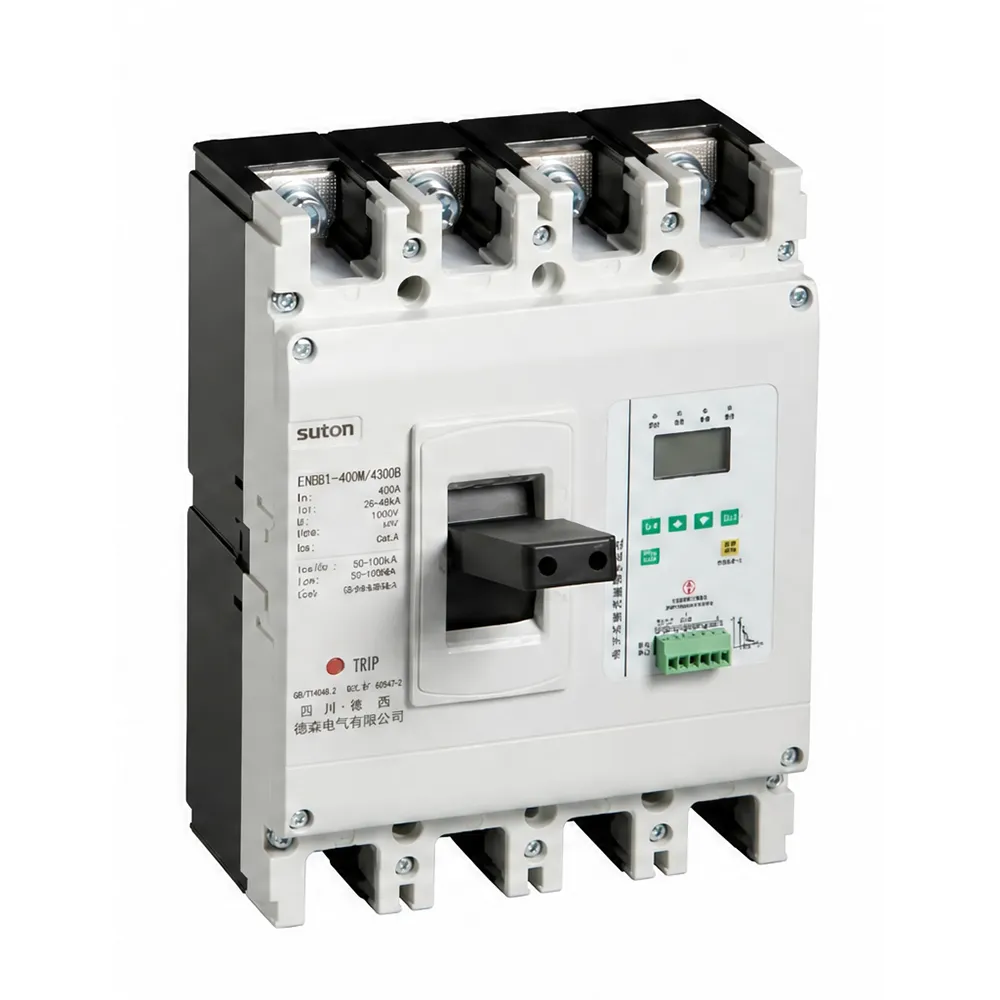
SUTON’s DZ47 Series MCB public route supports double-pole modular conversations after the buyer has defined the required curve, switched-neutral duty, and project conditions. It is not treated here as proof that every listed two-pole configuration satisfies the branch interruption duty, curve, or coordination evidence for a specific circuit. Use modular DIN rail products for related routing context after the branch schedule is controlled.
Once the circuit schedule is approved, send the controlled documents through Contact SUTON for a documented product-route review. Require each offer to answer the Part 1 table and keep the approved double-pole device schedule with the assembly record.
Branch isolation records and service continuity
Treat the branch circuit schedule, switched-neutral references, test records, and revision history as one handover package. Facilities that inherit the dossier can isolate and maintain 230 V circuits with traceability; facilities that inherit only an ampere label tend to rebuild the review from scratch at the first service call.
When loads, conductor routes, or upstream protection change, revise the circuit schedule and double-pole device list before re-energizing. An added load or changed cable route can alter inrush and fault duty even when the catalogue rating looks unchanged.
After an unexpected trip on a double-pole branch, note the circuit, connected load, and whether both poles opened before reset. Repeated entries often reveal a curve mismatch or downstream fault rather than a random nuisance event.
FAQ
What is a double pole MCB?
It is a miniature circuit breaker with two poles, typically selected to switch both line and neutral on a documented 230 V branch circuit.
Why use 2P instead of 1P plus neutral link?
Use the approved design to determine whether both conductors must be switched for isolation, protection, or maintenance access on that branch.
Does a double-pole MCB provide earth-leakage protection?
No. An ordinary 2P MCB provides overload and short-circuit protection; specify an RCBO or RCCB when earth-leakage protection is required.
How many modular units does a double-pole MCB occupy?
Confirm module width against the panel drawing and comb-busbar layout — most modular 2P devices occupy two module units.
What breaking capacity does a double-pole MCB need?
It must exceed prospective fault current at the installed branch terminals for the documented upstream arrangement.
What data belongs in a double-pole MCB RFQ?
Provide the switched-neutral requirement, voltage, In, curve, Icn, load type, modular interface, and quantity.