


Use this 60 amp breaker guide to turn a short request into an engineering review with traceable panel inputs.
Related reading: Circuit Breaker Guide and MCCB Breaker Guide.
Part 1. What does a 60 amp breaker request usually cover?
A 60 amp enquiry often lands on a larger branch or small feeder way. Before comparing offers, name the circuit role, expected continuous current, poles, trip curve, interrupting duty, supply voltage and the physical interface in the enclosure.
| Decision input | Why it matters | Send with quote |
|---|---|---|
| Circuit role | Branch vs feeder vs machine supply | Yes |
| Fault level at board | Sets breaking / backup needs | Yes |
| Trip curve | Affects motor and inrush behaviour | Yes |
| Cable and terminal limits | Coordinates protection with conductors | Yes |
Important: a matching 60 A label is not evidence of identical interrupting performance or busbar fit — source: IEC product/assembly selection practice.
Part 2. How should load and ambient conditions be reviewed for 60 A?
Capture sustained demand, diversity, enclosure temperature rise and any derating basis used by the designer. Where the circuit feeds motor or transformer inrush, the curve and coordination study matter as much as the amp number. Keep those notes with the approved single-line diagram for this feeder class.
Part 3. Which coordination boundaries must stay visible at 60 A?

Upstream devices, residual-current protection, surge devices and isolation means remain separate duties on the drawing. Review selectivity using manufacturer data for the exact combination. Do not infer backup performance from matching nominal current alone on a 60 A way.
Part 4. What installation details change a 60 A result?
Frame size, module count, comb-bus compatibility, terminal capacity and cable entry space can reject an otherwise correct amp rating. Confirm accessory kits, handle mechanisms and labelling before the BOM for this position is frozen.
Part 5. How should commissioning verify the installed 60 A breaker?
Check delivered markings against the schedule for this amp class, verify terminations and torque instructions, confirm mechanical operation and complete authorized tests. Store the evidence with the panel file for later expansion reviews on the same feeder.
Part 6. Where can SUTON product routes fit?
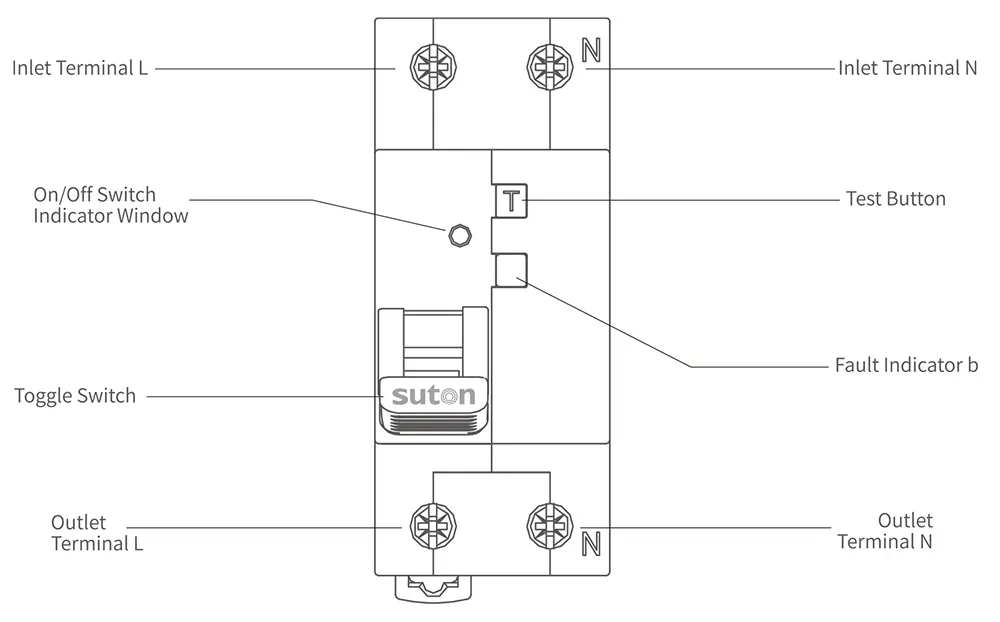
Send with the inquiry: Include circuit role, load basis, poles, curve, voltage, fault-study reference, conductor data, enclosure interface, accessories, standards and quantity for the 60 A position. Fit Boundary: this article organizes a 60 amp selection request; it does not replace the project calculation or datasheet confirmation.
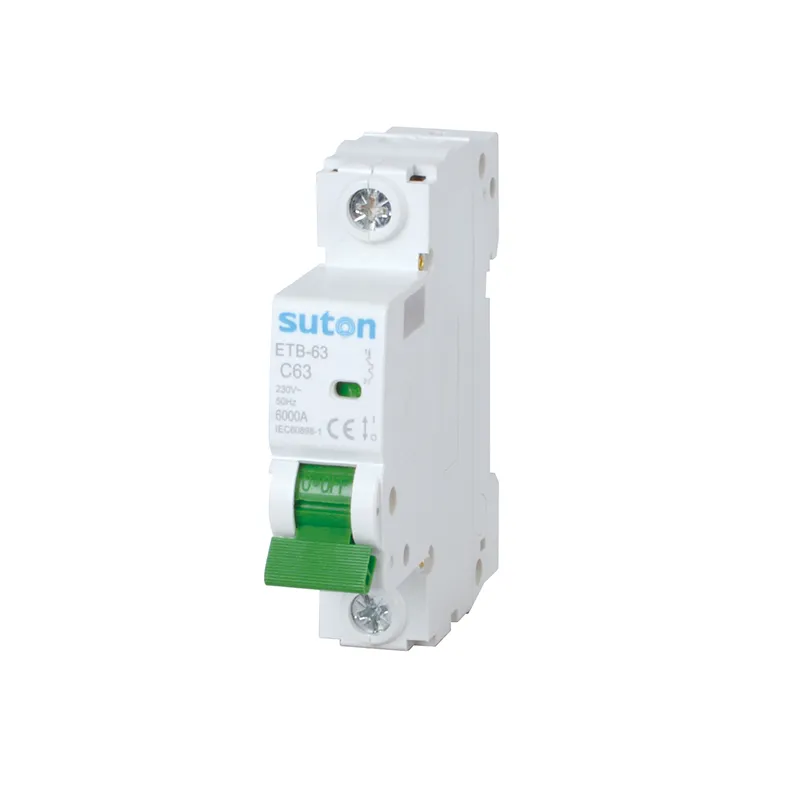
Review SUTON’s ETB-63 series high-breaking MCB and ETC65-125 series where higher modular ratings are under discussion. These routes are catalogue starting points only. Send the approved 60 A schedule and fault reference through Contact SUTON for model-specific review.
Verification workflow
Before comparing quotations for 60 amp breaker, create a controlled worksheet that maps this exact phrase to the approved drawing, duty profile, protective roles, interfaces, environment and acceptance criteria for the 60 topic family. Reject look-alike substitutions that only match a familiar label.
When installing the chosen 60 amp breaker hardware, reconcile markings, terminals, accessories, wiring diagram and test instructions against the released schedule for this article topic. Retain the 60 amp breaker inspection pack in the panel dossier so future maintenance starts from evidence rather than assumptions.
FAQ
Is 60 amp enough information to order?
No. Add poles, curve, breaking capacity, voltage, interface and the circuit role for this feeder or branch.
Can a 60 A MCB and MCCB be swapped freely?
Only after the design confirms frame, interface, fault duty and coordination for the exact panel position.
Why does curve matter at 60 A?
Inrush and load behaviour can nuisance-trip or fail to protect if the curve is wrong for the documented duty.
What accompanies residual-current devices on a 60 A way?
Keep residual and overcurrent roles documented separately unless a combined device is approved.
What should the handover file contain for 60 A?
Markings check, torque/termination record, test evidence and the released schedule for this amp class.
What belongs in a 60 amp breaker RFQ?
Duty, poles, curve, fault data, conductor limits, accessories, standards and quantity for the 60 A position.