


This MCB breaker guide turns a search term into a panel-builder verification process: document the circuit position, electrical duty and physical interface before selecting a device or assembly.
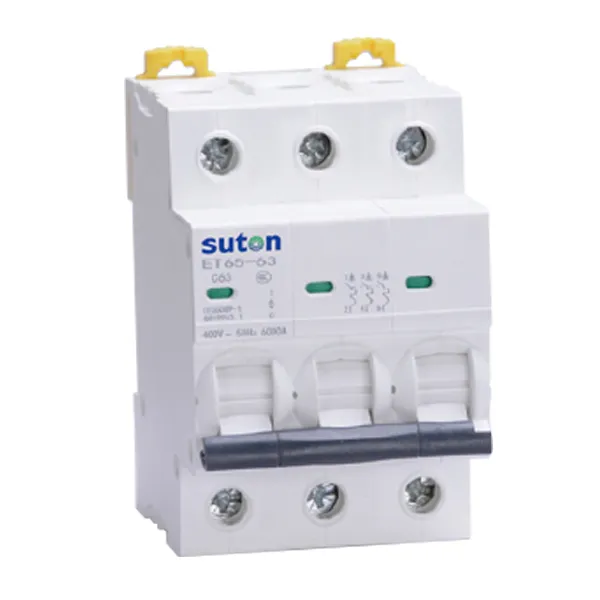
Part 1. What is an MCB breaker?
An MCB breaker is a miniature circuit breaker generally used for final circuits in low-voltage modular distribution. It carries normal load current and opens automatically during overload or short circuit according to its calibrated thermal-magnetic characteristic. Select it from the circuit location and fault study, not a generic amp label. See the circuit breaker types guide for the wider class map.
Part 2. Which ratings define an MCB breaker?
Verify operational voltage, rated current In, pole count, breaking capacity Icn, trip curve and mounting arrangement. In protects the conductor while carrying design load. Icn must exceed prospective fault current at the device terminals. Same current marking does not establish the same interruption rating or neutral arrangement.
Part 3. How do B, C and D curves change selection?
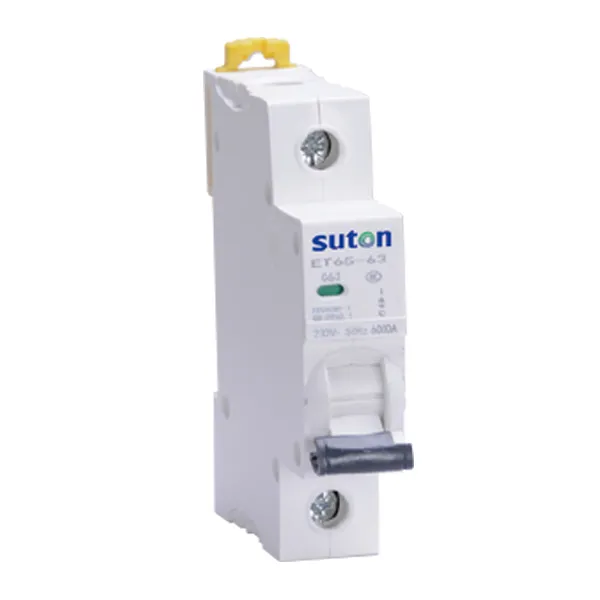
Trip curves describe instantaneous magnetic response. Curve B is more sensitive, curve C supports moderate inrush, and curve D supports higher inrush for suitable loads. Match curve to documented load behavior. Raising the curve after nuisance trips without checking the circuit can mask a fault; lowering it can make normal motor or transformer starts trip.
Part 4. Why do poles and mounting matter?
One-, two-, three- or four-pole devices have different switching and physical roles. Verify line/neutral treatment, phase spacing and comb-busbar compatibility. DIN rail mounting does not grant cross-family interchangeability. Check module width, rail profile, tooth pattern and terminal orientation against the panel drawing.
Part 5. How does the MCB coordinate with other protection?
An MCB operates at the final-circuit tier. Upstream feeders can use larger MCBs or MCCBs, while incomers can require MCCB or ACB class. Selectivity aims to clear a fault at the lowest suitable device. Pair leakage protection with RCBO/RCCB devices when specified because an ordinary MCB does not detect earth leakage.
Part 6. What must be checked before an RFQ?
Record voltage, In, Icn, curve, poles, load type, panel position, mounting interface and quantity. Fit Boundary: use this guide when the circuit schedule and fault level are known. Escalate generator sources, DC systems, unknown fault current or repeat trips. A generic amp request is preliminary, not a buildable order.
Part 7. Which SUTON lines fit MCB breaker selection?
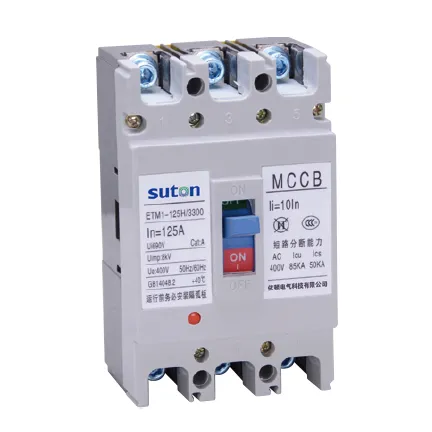
Use DZ47 Series MCB as a public modular starting point, then confirm exact ratings. Use modular DIN rail products for related routing. For upstream feeder conversations, review ETM3E intelligent MCCB after verifying Icu and trip requirements. Send project inputs through Contact SUTON.
Engineering review notes
Use the approved single-line diagram as the control document. It identifies the source, incomer, branch locations and device hierarchy that a catalogue search cannot show. Compare each proposed item against that drawing before the purchase order is released. A mismatch between the schedule and the installed assembly should be corrected in design review, not improvised during commissioning.
Record the prospective fault current at the exact device location, including the operating source arrangement. A final circuit at the end of a long cable can have a different duty from a feeder close to a transformer. If the project changes transformer impedance, generator mode, parallel source configuration or conductor route, review the protection study again. The original label is not evidence that the new duty is unchanged.
Treat panel temperature and wiring space as selection inputs. Closely packed modular devices can operate in a warmer environment than a catalogue reference condition. Allow routing space for conductors, neutral tails, earth conductors and identification labels. Inspect terminal compatibility for the specified conductor size and do not force a conductor or busbar tooth into a terminal intended for a different arrangement.
Commissioning should follow isolation, visual inspection, torque verification and controlled energization. Verify that labels identify the circuit, protective device, poles and isolation points. Test only with authorized methods and qualified personnel. If a device trips on initial energization, capture the load condition and timing before changing its rating or curve; this evidence is more useful than a replacement request without a fault description.
For procurement, distinguish a confirmed requirement from a design assumption. Confirmed data can be priced and supplied; missing data should be marked as a hold item. This approach prevents the common failure in which a supplier is asked to substitute a device based only on amperes or enclosure way count. It also gives the panel builder a clear audit trail for technical approval.
FAQ
What is an MCB breaker?
A modular miniature circuit breaker for final-circuit overload and short-circuit protection.
How do I select an MCB breaker rating?
Match voltage, In, Icn, curve, poles and the panel interface.
What is the difference between curve B, C and D?
B is more sensitive; C and D accept progressively higher inrush within their applications.
How many poles should an MCB breaker have?
Match the system’s line and neutral switching requirement.
What breaking capacity does an MCB breaker need?
It must exceed prospective fault current at the installed location.
What should an MCB breaker RFQ include?
Voltage, In, Icn, curve, poles, load type, panel position and quantity.