


A 30 amp breaker is a dedicated-circuit decision: appliance data, conductor calculation, pole count, and start-up behavior decide it — not the label on the old device.
Thirty amperes typically protects water heating, larger fixed appliances, and small workshop machines — one purpose, one circuit, one schedule row. That single-purpose nature is the planning advantage, because the appliance’s documentation becomes the load basis instead of an assumption.
Important: This guide structures 30 A dedicated-circuit selection for LV panels in line with MCB product scope in IEC 60898-1 and assembly integration practice in IEC 61439-1. It cannot approve a rating step, curve, or pole count where appliance data, conductor protection, or start-up behavior is undocumented — hold those inputs for engineering review before procurement.
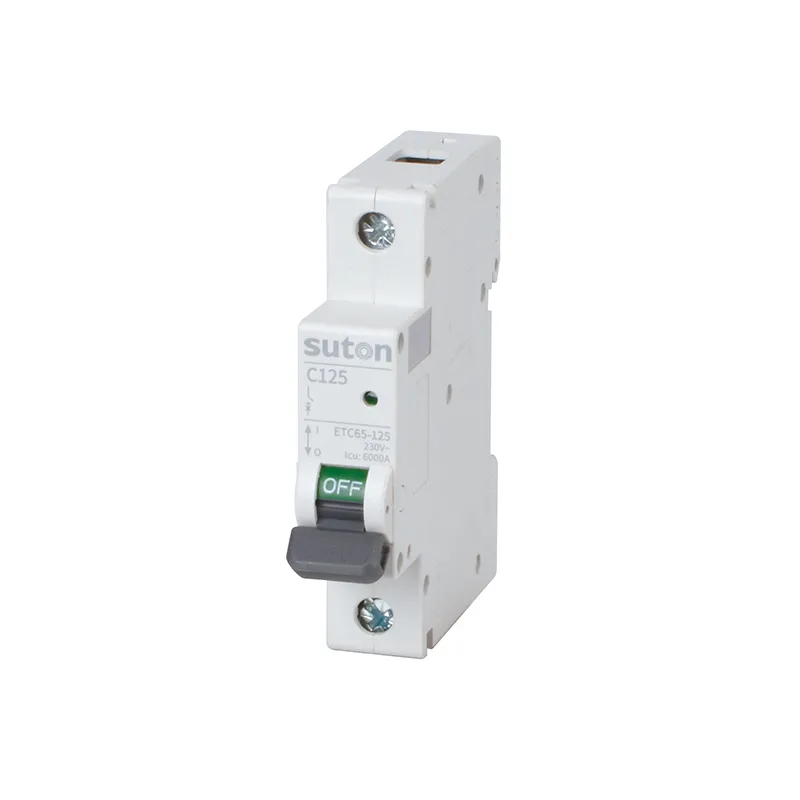
Part 1. Turn a 30 amp dedicated-circuit request into panel inputs
Dedicated circuits need appliance-led documentation before the rating is fixed. Device-family fundamentals stay in the MCB breaker guide; this article owns the 30 A duty-class decisions.
| Selection factor | Why it matters for the panel | Send with quote |
|---|---|---|
| Appliance data sheet reference | grounds the load basis | yes |
| Conductor calculation reference | proves the pairing is protected | yes |
| Rating step and curve | fixes trip behavior per market ladder | yes |
| Poles and neutral treatment | fixes circuit arrangement | yes |
| Breaking capacity vs fault study | fixes interrupting duty | yes |
| Residual integration, if any | fixes device family | when applicable |
| Mounting interface, standards, quantity | fixes assembly scope | yes |
Procurement teams working across markets meet both 30 A and 32 A device families — different regional rating ladders serving the same duty class. Record the exact marking in the schedule so substitutes are caught at review, not at commissioning.
Part 2. Fix load basis and regional rating steps
Take the load basis from the appliance data sheet: rated current, duty cycle, and any start-up notes the manufacturer publishes. The breaker rating then covers the load with the margin the design authority accepts, without exceeding what the conductor calculation will support.
Neither 30 A nor 32 A is universal; the project’s applicable rules and the vendor’s catalogue decide which step exists. Treat the schedule marking as a controlled value, not a rounding convenience.
Part 3. Coordinate the conductor calculation with the breaker
Dedicated appliances fix the load basis; the conductor calculation fixes whether 30 A — or a regional 32 A step — is legally and thermally supportable. Keep those two documents linked in the schedule row.
| Pairing check | Why the 30 A dedicated circuit depends on it |
|---|---|
| Appliance rated current and duty cycle | anchors the design current |
| Installation method and cable construction | sets the capacity baseline |
| Ambient and grouped-circuit derating | may reduce permitted current |
| Feeder or branch run length | drives voltage-drop review |
| Applicable installation rules | selects the calculation method |
This article states the coordination method only. The numeric cross-section comes from the project engineer’s worksheet, not from a website gauge chart.
Part 4. Decide pole count and neutral treatment
Pole count follows the circuit’s conductor arrangement and isolation needs under the applicable rules — the supply form, whether the neutral is switched, and what maintenance isolation the design demands. Fixed appliances with two active conductors, or designs that isolate the neutral with the line, point to multi-pole devices.
The decision logic, including switched-neutral arrangements, is covered in the double pole MCB guide. Whatever the outcome, the schedule must state poles explicitly; “30 A” alone is an incomplete order line.
Part 5. Match curve choice to start-up behavior
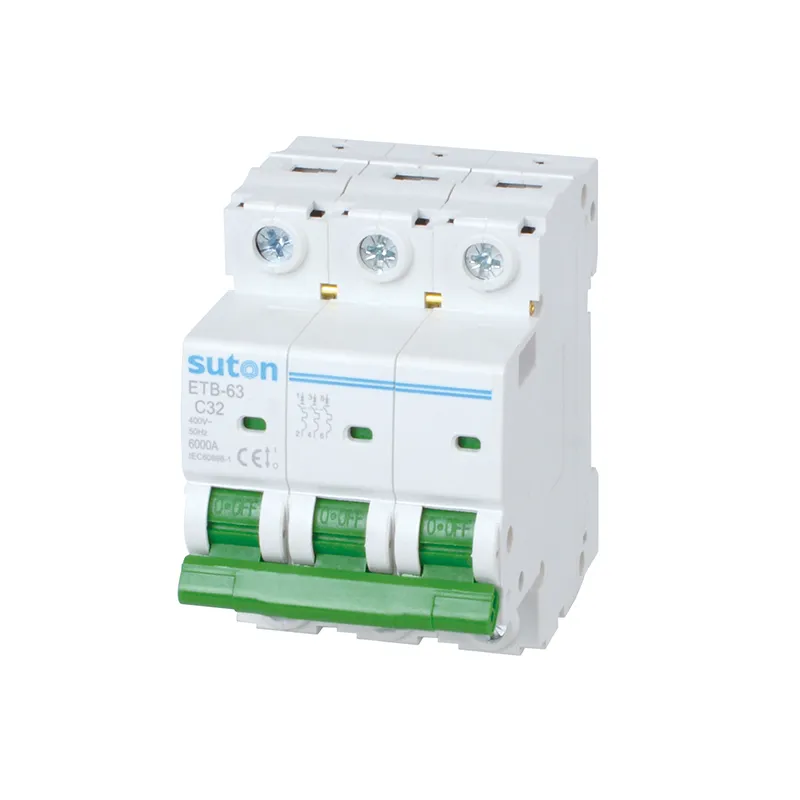
Heating elements, motors, and compressors draw start-up currents well above their running values. A correctly rated breaker with a fast instantaneous band can trip on that inrush; the fix is a curve matched to the documented start-up behavior, not a bigger rating.
Uprating to silence start-up trips removes the conductor’s protection margin and converts a nuisance into a hazard. Persistent tripping still deserves diagnosis — element degradation, bearing wear, and genuine faults all masquerade as inrush. The structured investigation lives in the circuit breaker trip guide.
Part 6. Route a documented 30 A breaker inquiry
Send with the inquiry:
- appliance data sheet reference and circuit schedule row
- conductor calculation reference and installation method summary
- required rating step, curve, poles, and breaking capacity
- residual integration requirement, if any
- mounting interface, applicable standards, and quantity
Require suppliers to declare the exact offered marking, curve, poles, breaking capacity, and installation instructions against the appliance documentation. Hold the engineering decision when load basis or conductor protection evidence is incomplete.
Fit Boundary: this guide structures 30 A dedicated-circuit selection inputs. It does not perform conductor calculations, does not decide which regional rating ladder applies, and cannot approve replacing a 25 A device with a 30 A one without recalculation and design-authority sign-off. Close those gaps before ordering.
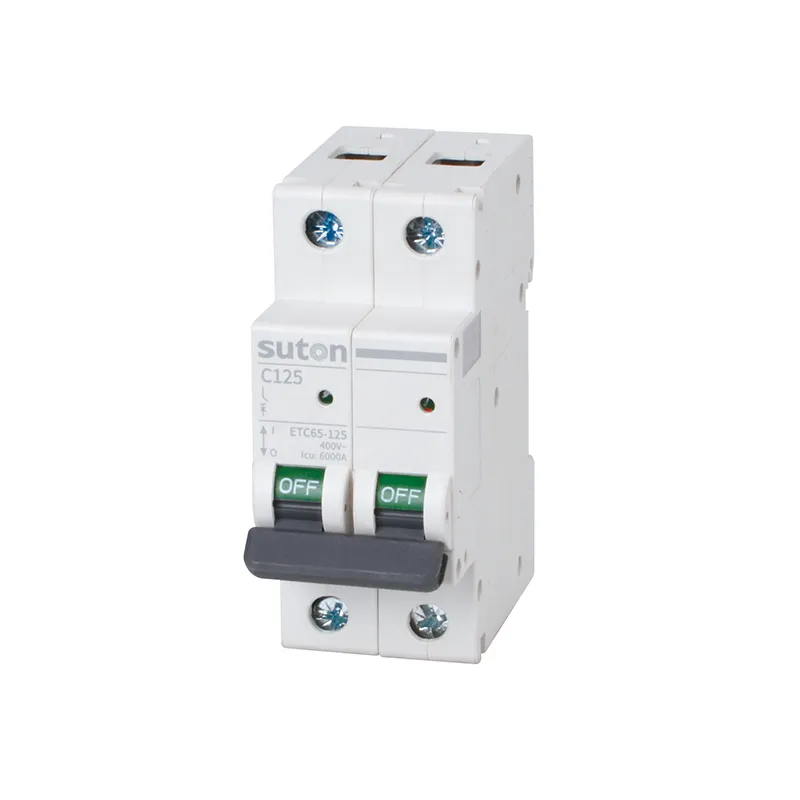
For a product recommendation starting point in this duty class, review SUTON’s ETC65-125 series route for higher-current modular positions and the DZ47 series miniature circuit breaker route for general modular duty. Rating steps, curves, poles, and breaking data are model-specific — confirm datasheets against the schedule, then send the appliance data through Contact SUTON for a documented review.
Dedicated circuits over their lifecycle
Label the circuit for its purpose, not just its rating. “Water heater — 30 A — two-pole” on the panel chart prevents the classic facility error of borrowing a dedicated way for an unrelated load because it looked free.
When the appliance changes, re-open the row. A replacement heater or compressor with different rated current or start-up behavior can invalidate the curve, the rating, or both; the calculation reference in the schedule makes that re-check a five-minute task.
Keep delivered-marking records with the panel dossier. Dedicated circuits attract informal substitutions over the years, and an auditable trail of what was actually installed — and approved — is the cheapest defense a facility can buy.
FAQ
What is a 30 amp breaker used for?
Dedicated fixed-appliance circuits such as water heating and small machines, with the appliance’s documented data as the load basis.
What wire size does a 30 amp breaker need?
Derive it from the appliance-led calculation under the applicable rules; route, ambient, grouping, and cable type move the answer, so no single published table can stand in for the project worksheet.
When does a 30 amp circuit need a two-pole breaker?
When the conductor arrangement, neutral treatment, or isolation requirement under the applicable rules calls for switching more than one conductor.
Why does a 30 amp breaker trip when a load starts?
Start-up current can exceed a fast instantaneous band even at the correct rating; match the curve to documented start-up behavior instead of uprating.
Can a 30 amp breaker replace a 25 amp breaker?
Only after the conductor calculation and appliance duty are re-approved; swapping the marking without that review removes protection margin on the existing cable.
What data belongs in a 30 amp breaker RFQ?
Provide the appliance data reference, conductor calculation reference, rating step and curve, poles, breaking capacity, residual integration, mounting, standards, and quantity.