


A breaker box is bought as an enclosure plus an assembly plan — this guide turns the phrase into environment, sizing, and RFQ inputs before any supplier comparison.
Panel builders and contractors use the term when they need a documented enclosure decision: type and material, ingress and impact ratings, ways with spare space, mounting and cable entries, and a clear boundary between empty shell and verified assembly. Start from the device schedule and site environment, not from a catalogue photo.
Important: This guide structures breaker-box enclosure specification for LV distribution in line with assembly integration practice in IEC 61439-1. It cannot approve an enclosure rating, way count, or assembly result where environment data, the device schedule, or mounting constraints are missing — hold those inputs for engineering review before procurement.

Part 1. Turn a breaker box enquiry into documented enclosure inputs
In purchasing conversations, “breaker box” can mean an empty enclosure, a populated distribution board, or the wall cabinet a facility team wants replaced. Each meaning produces a different order, so the first step is to fix which one the project needs. This guide covers the enclosure-procurement angle; the definition of the panel itself lives in the circuit breaker panel guide, and the small modular case is handled in the MCB box guide.
The table below converts a breaker-box enquiry into reviewable enclosure inputs before suppliers are compared.
| Selection factor | Why it matters for the enclosure | Send with quote |
|---|---|---|
| Application and location class | fixes enclosure family and access expectations | yes |
| Indoor or outdoor installation | fixes sealing, drainage, and material choices | yes |
| Dust, moisture, and mechanical exposure | fixes required IP and IK ratings | yes |
| Ambient temperature and heat load | fixes ventilation or derating measures | yes |
| Ways required from the device schedule | fixes size and rail or busbar layout | yes |
| Spare-way percentage for future circuits | fixes lifecycle modification headroom | yes |
| Internal depth, gland-plate area, door clearance | fixes physical fit at installation | yes |
| Mounting arrangement (surface, flush, floor) | fixes fixing and cable-route details | yes |
| Device schedule and busbar needs | fixes assembly scope inside the shell | yes |
| Standards requested and quantity | fixes compliance scope and procurement batch | yes |
Projects that skip the table often receive quotations built on a way count alone. That produces a second procurement cycle once environment ratings, assembly scope, or cable-entry geometry is challenged on site.
Part 2. Match enclosure type and ratings to the installed environment
Enclosure selection starts from the installed environment, not from the catalogue photo. Metal and insulated enclosures both succeed when matched to conditions; both fail when the rating table is guessed.
| Selection input | What it decides | Common planning mistake |
|---|---|---|
| Indoor or outdoor location | enclosure family, sealing, drainage needs | copying a residential indoor box into a plant area |
| Dust and moisture exposure | required ingress (IP) rating | treating IP as marketing text instead of test evidence |
| Mechanical exposure | required impact (IK) rating | omitting IK where public access or plant traffic exists |
| Ambient temperature and heat load | ventilation or derating measures | sizing only by way count without device heat output |
| Corrosive or coastal atmosphere | material and coating choice | assuming paint finish equals corrosion class |
| Accessibility and security | door, lock, and cover arrangement | locking out maintenance without a documented procedure |
Record the environment evidence in the project file so the rating decision can be audited later. Board-level sizing and specification steps beyond the enclosure shell are covered in the distribution board sizing guide.
Part 3. Size ways, spare space, and internal fit from the device schedule
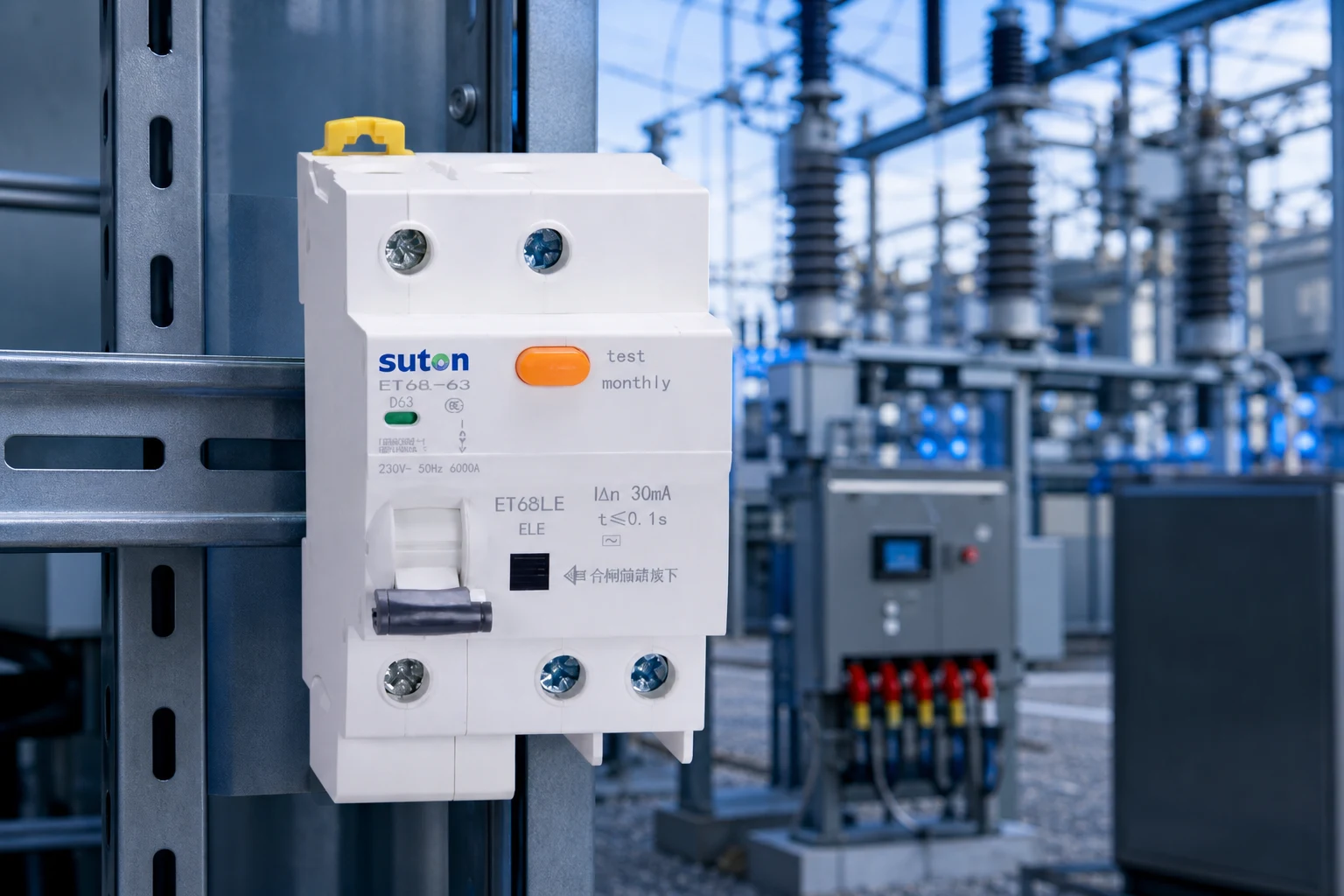
Count ways from the device schedule: every breaker position, residual device, surge device, and metering module claims space, and multi-pole devices claim several ways each. Then add planned spare capacity — a filled-to-the-last-way box makes every future circuit a demolition question.
Dimension checks go beyond the way count. Verify internal depth against device height plus wiring space, gland-plate area against the cable count, and door clearance against the operating handles. A box that technically fits the devices but leaves no bending room fails at installation, not at delivery.
State the spare percentage in the order so the vendor sizes the enclosure, busbar, and cover blanks against the same assumption. Replacement projects deserve a survey pass: entry positions, fixing centers, and circuit labeling before ordering, because a new enclosure that ignores the site’s cable geometry converts a one-day swap into a rewiring exercise.
Part 4. Record mounting, location, and cable-entry constraints
Surface, flush, and floor-standing arrangements each carry their own fixing, cable-route, and maintenance-access consequences. Confirm wall structure or plinth details, entry directions for incoming and outgoing cables, and the working clearance in front of the door before the enclosure drawing is approved.
Location decides more than convenience. Escape routes, damp rooms, plant areas, and public areas each impose access and protection expectations from the applicable local rules; record the location class with the order so the box is not re-engineered on site.
Cable-entry planning belongs in the same drawing set as the enclosure. Gland-plate size, knockout pattern, and entry height relative to the floor fix both installation time and future modification cost. Where the survey exposes unknown circuits, schedule tracing work ahead of the enclosure delivery date.
Part 5. Define assembly scope and verification ownership
An enclosure becomes a distribution board when busbars, devices, terminals, and markings are assembled and verified as a unit under the applicable assembly framework. Whoever performs that assembly takes responsibility for the verification evidence — temperature behavior, clearances, creepage, and mechanical operation belong to the assembly, not to the empty box.
Keep the paperwork chain intact: enclosure documentation, device instructions, assembly drawings, and test records travel together. Contracts should name the assembly verifier before parts are bought. A project that buys an empty shell, devices, and busbars separately without naming the verifier has quietly assigned assembly risk to whoever touches the board last.
At bid review, separate the enclosure price from the assembly scope. Some offers quote a bare box, others a verified assembly; comparing them as if equal hides both risk and cost. Note who performs assembly verification and who supplies the evidence file.
Part 6. Route an evidence-based SUTON inquiry
Send with the inquiry:
- application, location class, and installed environment evidence (IP, IK, temperature, atmosphere)
- ways required plus documented spare percentage
- dimensions, internal depth, gland-plate needs, and door clearance
- mounting arrangement, cable entries, and access constraints
- device schedule, busbar needs, and any metering or surge provisions
- standards requested, verification evidence expectations, and quantity
Require suppliers to declare the exact offered enclosure marking, ratings basis, assembly scope, accessories, and any exceptions against the controlled documents. Hold the engineering decision when environment data or the device schedule is incomplete — a quotation against undefined site conditions cannot preserve the design intent.
Fit Boundary: this guide structures breaker-box enclosure procurement inputs for LV distribution projects. It does not size conductors, does not verify assemblies, and cannot select ratings where environment data or the device schedule is missing. Escalate those gaps to the design authority before the package is priced.
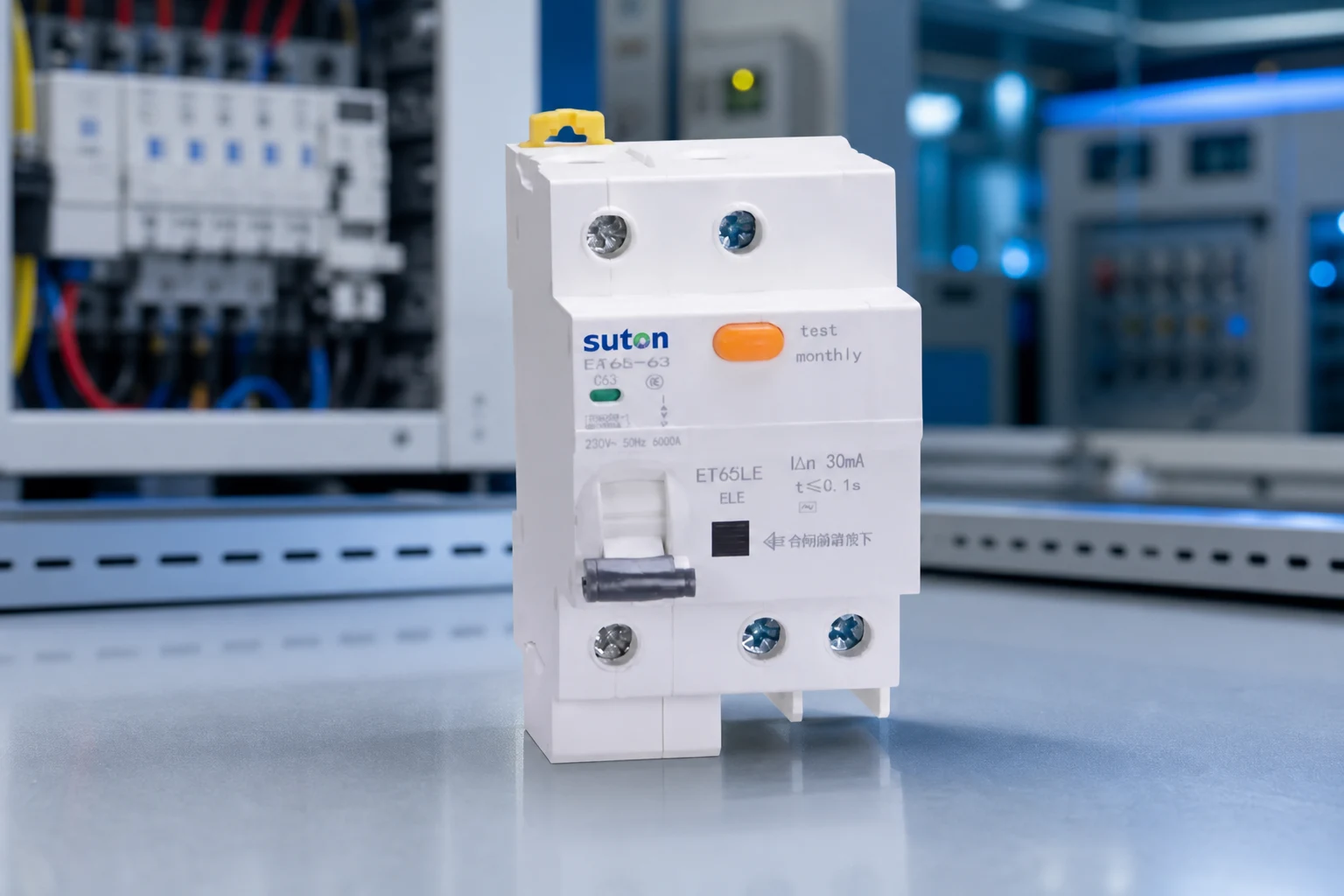
SUTON’s distribution box category is the public route for enclosure inquiries, and it currently works as an RFQ channel rather than a model catalogue — no specific enclosure SKU is recommended here because the public route does not list one. Devices that populate the box follow their own routes under modular DIN rail products.
Once the device schedule and environment notes are approved, send the controlled documents through Contact SUTON for a documented enclosure review. Public pages do not fix enclosure ratings, way counts, or assembly exceptions for a specific project — those remain project-specific confirmations.
Compare quotations against the same documented requirements and retain the final enclosure worksheet with the assembly record.
Enclosure worksheet and delivery discipline
Assemble the enclosure worksheet before contacting vendors: application, location class, environment ratings, ways with spare capacity, dimensions, mounting, entries, and the device schedule reference. Quotes then answer identical questions, and the cheapest offer can be tested against the same evidence as the dearest.
At delivery and installation, check the physical box against the approved drawing — ratings plate, dimensions, entries, and door hardware — before devices go in. Photograph the empty and completed states for the project record, and archive the verification documents with the panel dossier at handover.
Treat every post-delivery modification as a controlled event. Added circuits, changed device types, or relocated entries alter assembly scope even when nominal ratings appear unchanged. Update the schedule and drawing before energizing new work.
FAQ
What is a breaker box?
In procurement terms, it is the enclosure and assembly arrangement that houses circuit protection; the order must state whether an empty enclosure or a verified assembly is being bought.
How is a breaker box different from a consumer unit?
Consumer unit usually names the complete residential board; breaker box is a looser umbrella that can mean the enclosure alone, so the RFQ must fix the scope.
How many ways should a breaker box have?
Count ways from the device schedule including multi-pole devices, then add documented spare capacity for future circuits.
What IP and IK ratings does a breaker box need?
Take ingress and impact ratings from the installed environment evidence — location, dust, moisture, and mechanical exposure — recorded in the project file.
What should be checked before installing a breaker box?
Verify the delivered box against the approved drawing: ratings, dimensions, entries, mounting provisions, and door operation, before any device is fitted.
What data belongs in a breaker box RFQ?
Provide application, environment data, ways and spare capacity, dimensions, mounting, cable entries, the device schedule, standards, and quantity — the Part 1 table lists what to send with a quote.