


A circuit breaker panel is a low-voltage switchboard assembly that mounts incomer and branch circuit breakers on busbars inside an enclosure—designed from fault level, load diversity, DIN module count and coordination between protection tiers. The term overlaps with load center and distribution board in trade language, but procurement still hinges on a documented single-line diagram.
Pair this guide with the distribution board sizing guide and the circuit breaker types map before you freeze a BOM.

Part 1. What is a circuit breaker panel in LV distribution?
A circuit breaker panel is the functional section of a switchboard where protective devices are mounted, wired and coordinated—typically including an incomer, busbars, branch circuit breakers and auxiliary devices such as SPDs or metering.
Core elements:
| Element | Role in the circuit breaker panel |
|---|---|
| Incomer breaker or switch-fuse | Feeds the busbar; sets maximum interrupting duty at the panel root |
| Busbars | Distribute current to branch devices; must match thermal and short-circuit stress |
| Branch circuit breakers | Protect outgoing feeders and final circuits |
| Auxiliaries | Metering, SPD, surge + isolation, indication |
Panel builders use the term interchangeably with load center in some residential markets and distribution board in IEC-oriented projects. For procurement, translate trade language into positions on the single-line diagram.
Part 2. How does a circuit breaker panel differ from a distribution board?
Distribution board emphasizes the complete assembly—enclosure, busbars, devices, labeling and compliance documentation. Circuit breaker panel often highlights the breaker population and coordination logic inside that assembly.
Practical differences for buyers:
- A distribution-board RFQ includes enclosure IP, cable entry, busbar rating and finish.
- A circuit-breaker-panel conversation may focus on incomer size, number of ways and breaker curves—but you still need enclosure data before manufacturing.
SUTON’s public catalogue is strong on protection devices and busbar components; complete enclosure SKUs may require RFQ when not listed. Do not route buyers to /distribution-box/ as a product category until live SKUs exist.
Part 3. How do you size the incomer and busbars?
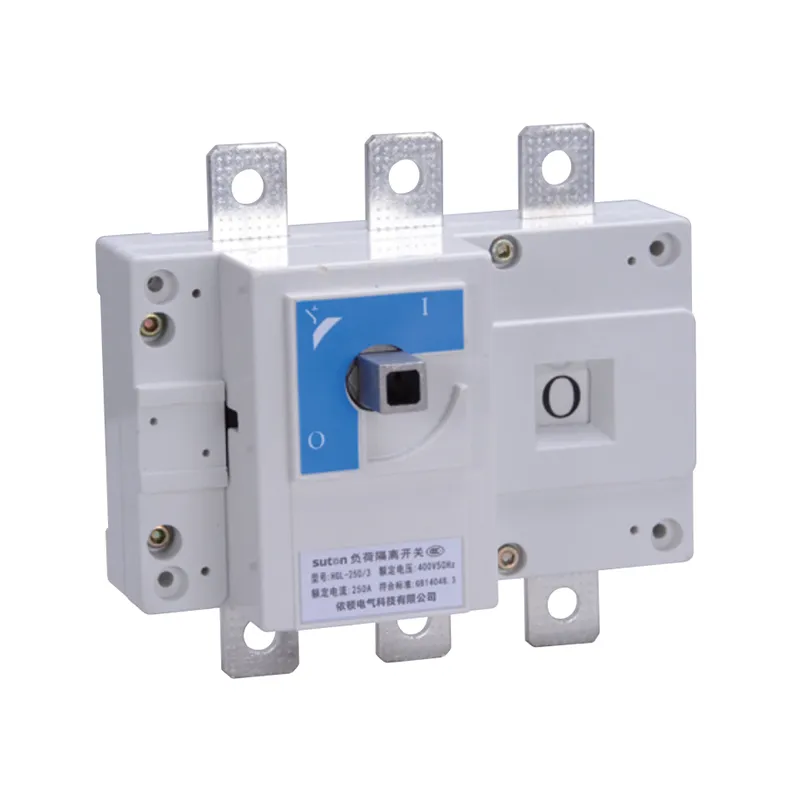
Incomer sizing starts from load diversity, not the arithmetic sum of every downstream breaker.
- Calculate design current for the panel using diversified demand factors from the project spec.
- Select incomer In with headroom per engineering practice and utility rules where applicable.
- Verify prospective fault current at the panel terminals; incomer Icu must clear it.
- Match busbar rating to both continuous current and short-circuit withstand.
- Check coordination with upstream utility protection and downstream branch devices.
Load-break switches such as the ETGL load-break switch serve isolation sections—they do not replace calculated short-circuit protection on their own.
See main switch selection for LV distribution panels when the incomer is primarily an isolation device with separate overcurrent protection.
Part 4. How many DIN modules should you reserve?
Module count drives rail length, enclosure width and assembly labor.
| Planning step | Action |
|---|---|
| Device schedule | List every breaker, RCBO, RCCB, SPD and accessory with module width |
| Spare capacity | Reserve free modules for future circuits—often 20–25% in commercial tenant panels |
| Rail layout | Group devices per wiring schematic to keep neutral and earth runs short |
| Physical check | Confirm body depth, wire bend radius and labeling clearance |
Use the DIN rail mounting guide when stacking modular devices beside molded-case incomers in the same assembly.
Part 5. How should MCB tiers be arranged inside the panel?
Tier arrangement implements selectivity: a fault should clear at the lowest breaker that can safely interrupt it.
Typical LV panel stack:
- Level 1: Main incomer—MCCB or ACB class depending on current and fault level.
- Level 2: Sub-main or group feeders—MCCB or high-rated MCB.
- Level 3: Final circuits—modular MCB or RCBO on DIN rail.
Document:
- curve or electronic trip settings on each tier;
- time-current selectivity assumptions;
- which circuits require RCBO or grouped RCCB protection.
The circuit breaker guide explains trip behavior; the circuit breaker types guide maps which class belongs at each tier.
Part 6. What documentation should panel builders prepare?
Incomplete documentation is the main reason panel RFQs stall.
| Document | Why the factory needs it |
|---|---|
| Single-line diagram | Shows incomer, tiers and key device positions |
| Circuit / feeder schedule | In, curve, poles, cable size per outgoing |
| Prospective fault current study | Sets minimum Icu per device location |
| Enclosure sketch | IP, cable entry, door clearance, floor or wall mount |
| Labeling standard | Circuit IDs, language and legend requirements |
Fit Boundary
- Works well when: diagram, fault study and module schedule are attached.
- Poor fit when: only “32-way panel” is described—request way count, incomer rating and fault level.
- Escalate to engineering: mixed generator/utility sources, harmonic-rich industrial loads on a residential form factor, or DC PV strings without DC-rated devices.
Part 7. Where do SUTON products fit a circuit breaker panel BOM?
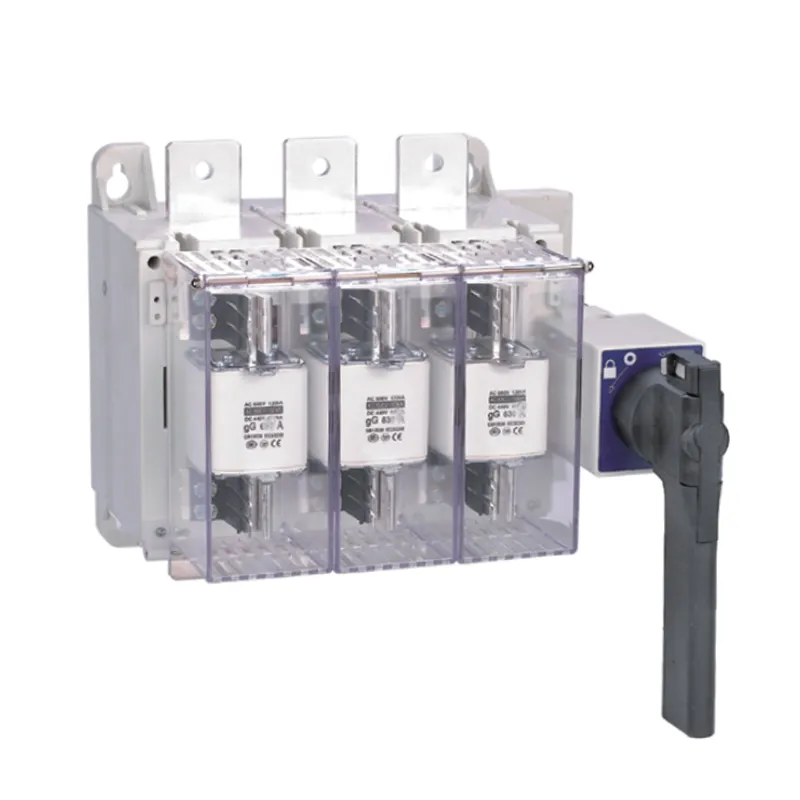
| Panel function | SUTON entry point |
|---|---|
| Modular branch tiers | Modular DIN rail products |
| Busbar system | ETFZX low voltage enclosed busbar system |
| Isolation / switch-disconnector | ETGL load-break switch |
| Fuse-switch combinations | ETGLR fuse switch disconnector |
| Higher-current incomer class | Molded case circuit breakers |
Browse the full Products catalogue when one project mixes busbar, modular and molded-case lines.
RFQ checklist: single-line PDF, diversified incomer In, fault current at panel, module schedule, enclosure IP, target market, quantity and delivery window. Send through Contact SUTON for engineering confirmation.
FAQ
What is a circuit breaker panel?
A switchboard section where incomer and branch circuit breakers are mounted on busbars inside an enclosure.
How is a circuit breaker panel different from a distribution board?
The panel highlights breaker coordination and tiers; the distribution board includes the full assembly specification including enclosure and documentation.
How do you size the main incomer in a circuit breaker panel?
Use diversified load current, verify prospective fault current, select incomer In and Icu accordingly, and coordinate with downstream devices.
How many DIN modules should a circuit breaker panel reserve?
Total the module widths of all devices plus spare capacity—commonly 20–25% free modules for future expansion.
How should MCB tiers be arranged inside a circuit breaker panel?
Stack from main incomer downstream to sub-mains and final-circuit MCB/RCBO tiers so faults clear at the lowest safe device.
What documentation should panel builders attach to a circuit breaker panel RFQ?
Single-line diagram, circuit schedule, fault study, enclosure requirements, labeling standard and quantities.