


“RCD breaker” is an umbrella purchase phrase, not a catalogue SKU. Buyers use it when a drawing, inspection note, or replacement job asks for leakage protection without naming the device family.
Before any quotation, fix whether the circuit needs an RCCB, an RCBO, a residual add-on arrangement, or a molded-case residual device. Record sensitivity, waveform classification, poles, rated current, earthing arrangement, and coordination data from the approved design.
Important: This guide converts the phrase into documented selection inputs for LV distribution panels per the residual-device product frameworks in IEC 61008-1 and IEC 61009-1. It does not approve a model where the protection study, load characteristics, or applicable installation rules are missing — escalate those gaps to the design authority before ordering.
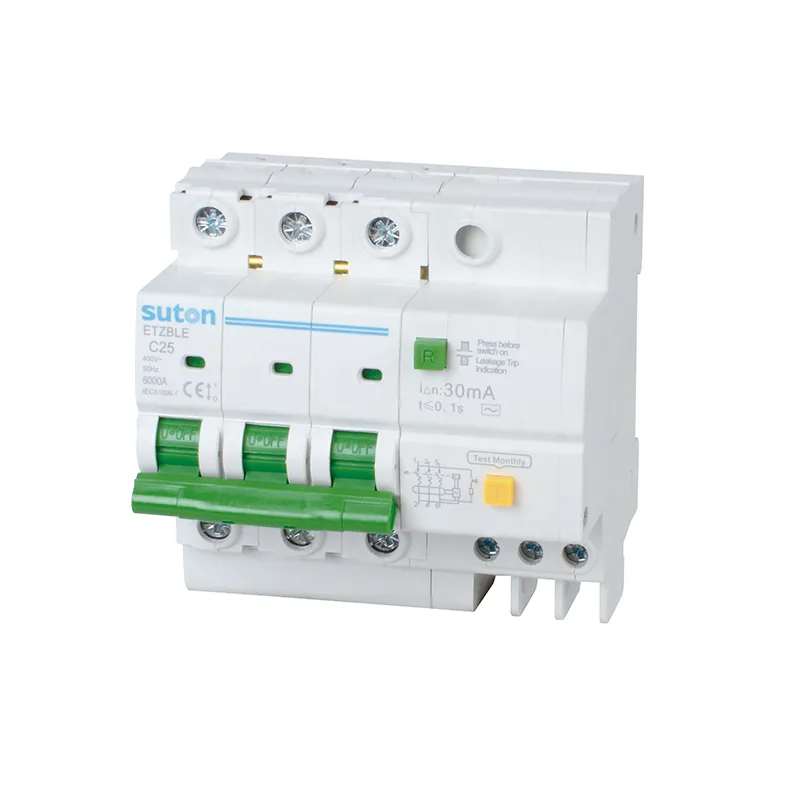
Part 1. What does “RCD breaker” actually mean?
Buyers type “rcd breaker” when a project, an inspection note, or a replacement job asks for leakage protection. The phrase is an umbrella: it can point to an RCCB, an RCBO, a residual add-on block, or a molded-case device with a residual function. Treating it as a single product creates ordering errors, because each family carries different duties and different documentation. Start by finding out which document generated the request — a single-line diagram, a circuit schedule, or a field observation — and let that document define the device family.
Part 2. Which device family answers the request?
Each residual-current family solves a different combination of protection duties. The table below summarizes the boundary that a quotation must respect.
| Device family | Residual protection | Overcurrent protection | Typical position | Send with quote |
|---|---|---|---|---|
| RCCB | yes | no — needs a separate breaker | group or incomer position | yes |
| RCBO | yes | yes, built in | final circuit position | yes |
| Residual add-on with MCB or MCCB | yes, as a combination | from the host breaker | assembled per instructions | yes |
| Molded-case residual device | yes | model-dependent | feeder or distribution position | yes |
A like-for-like swap is only safe when the replacement matches the original family, marking, and arrangement. For the device-level detail behind two of these rows, see the residual current circuit breaker guide and the RCBO breaker guide.
Part 3. Which circuit inputs decide the selection?
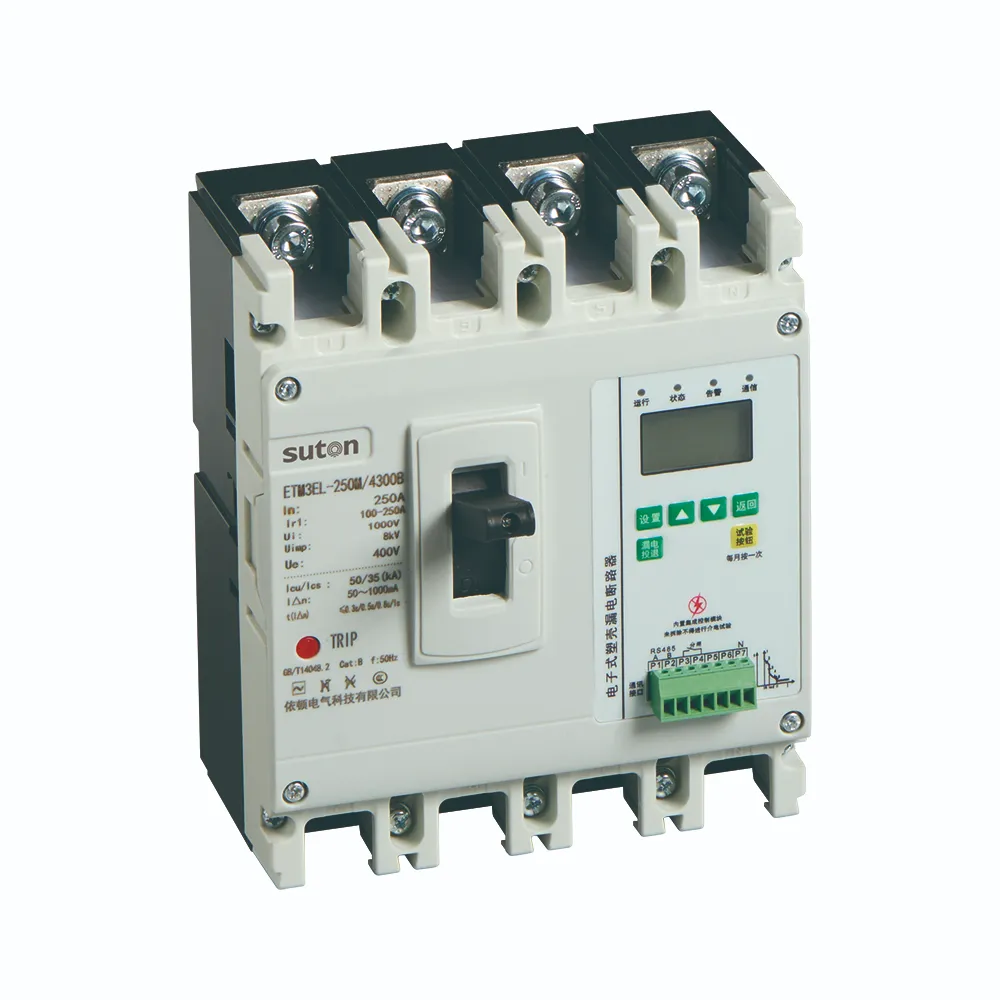
Collect the circuit function, supply arrangement, earthing system, rated current, conductor sizes, and the load technology before touching a catalogue. Electronic loads, drives, and long cable runs influence both the expected leakage and the waveform assessment. Note whether one device protects a single final circuit or a group, because neutral routing, test access, and fault isolation differ between the two arrangements.
Panel geometry matters as well. Record the available DIN rail space or molded-case mounting zone, the busbar arrangement, and the labeling scheme, so the selected family physically fits the assembly that will be built around it.
Part 4. How are sensitivity and type classification fixed?
Sensitivity, expressed as rated residual operating current, comes from the protection goal written in the design — additional protection, fault protection, or fire-risk reduction each lead to different values. Copying a sensitivity from a previous job skips that reasoning and is a common source of nuisance tripping or missing protection.
Type classification describes which residual waveforms a device detects. Where loads produce smooth or pulsating direct components, the classification decision needs documented load data, as explained in the Type A RCD guide. Keep both values in the circuit schedule, and require the delivered device marking to match them.
Part 5. How does residual protection coordinate with overcurrent devices?
An RCCB does not clear overloads or short circuits, so its upstream or paired breaker must be identified before the order is placed. Verify the conditional short-circuit rating of the combination, not only the standalone figures. Where several residual devices sit in series, review selectivity so an upstream group device does not trip before a final-circuit device.
Coordination evidence belongs in the panel dossier. Keep the fault-study extract, the manufacturer combination tables, and the approved schedule together, because commissioning and later service decisions will rely on them rather than on catalogue labels.
Part 6. Route an evidence-based SUTON inquiry
Send with the inquiry:
| RFQ field | Why it matters |
|---|---|
| Device family (RCCB, RCBO, add-on, molded-case) | fixes the protection duties |
| Rated residual operating current | fixes the protection goal |
| Type classification | fixes waveform detection duty |
| Rated current and poles | fixes circuit and neutral arrangement |
| Voltage and earthing system | fixes application conditions |
| Coordination data and fault level | fixes combination ratings |
| Mounting, standards, quantity | fixes assembly and compliance scope |
Fit Boundary: this guide is for converting an umbrella phrase into documented selection inputs for LV distribution panels. It is not a substitute for a protection study, and it cannot approve a device where the earthing system, load characteristics, fault level, or applicable installation rules are unknown. Escalate those gaps to the design authority before quoting.
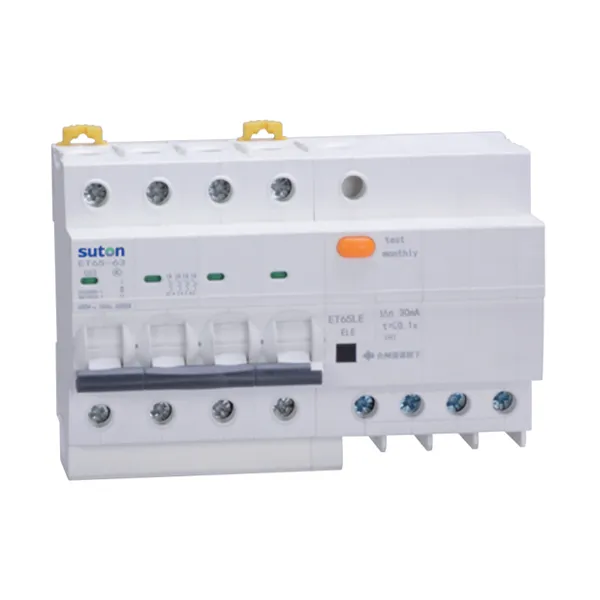
As a product recommendation starting point, review SUTON’s modular DIN rail products for residual-current families in modular format, and the DZ47LE series miniature circuit breaker route where a compact residual-plus-overcurrent arrangement is being considered. These are category routes, not model approvals: sensitivity, classification, poles, and breaking data must be confirmed against the model datasheet and the project design. Send the circuit schedule and required residual data through Contact SUTON for a documented review.
Procurement verification workflow
Before requesting quotations, assemble a one-page worksheet: source document for the request, device family, sensitivity, classification, rated current, poles, earthing system, coordination data, and mounting constraints. Vendors then quote against identical fields, which makes deviations visible instead of buried in catalogue prose.
During bid review, place the project requirement and the proposed device marking side by side in a deviation register. Separate confirmed facts from assumptions, and return unresolved rows to the vendor rather than interpreting them internally. A cheaper offer that changes the device family, the sensitivity, or the classification is a different product, not a discount.
At assembly and handover, keep the installed device markings traceable to the approved schedule. Photograph labels, retain manufacturer instructions, and record the authorized test results in the commissioning file. When a later modification changes load technology or circuit use, the residual-protection selection should be reviewed from these records instead of being assumed to remain valid.
FAQ
What is an RCD breaker?
It is an umbrella purchase phrase for residual-current protective devices; the actual order must name a device family such as RCCB or RCBO plus its ratings.
Is an RCD breaker the same as an RCCB or RCBO?
Not automatically. An RCCB provides residual protection only, while an RCBO adds overcurrent protection; the request must be resolved to one family.
What sensitivity should an RCD breaker have?
Take the rated residual operating current from the protection goal in the project design, then require the delivered marking to match it.
Do RCD breakers need separate overcurrent protection?
An RCCB normally does, and the paired breaker plus the combination rating must be identified before ordering. An RCBO carries its own overcurrent function.
How is an RCD breaker tested before energization?
Follow the authorized project procedure: verify markings, connections, test-button access, circuit identification, and record the results in the commissioning file.
What data belongs in an RCD breaker RFQ?
Provide the device family, sensitivity, classification, rated current, poles, voltage, earthing system, coordination data, mounting, standards, and quantity.