


Type A is a residual-current classification — not a generic RCD label. Panel builders encounter the term when a schedule, equipment manual, or inspection note calls for pulsating-DC or mixed-waveform detection beyond a basic AC-only device.
Start with the approved single-line diagram and circuit schedule. Record the required classification, the connected load technology, and the actual device marking before any quotation is compared.
Important: This guide structures Type A residual-device selection for low-voltage distribution panels in line with assembly integration practice in IEC 61439-1 and residual-device product scope in IEC 61008-1 and IEC 61009-1. It cannot approve a device marking, sensitivity, or coordination result where earthing arrangement, load waveforms, fault duty, or applicable rules are missing — hold those inputs for engineering review before procurement.
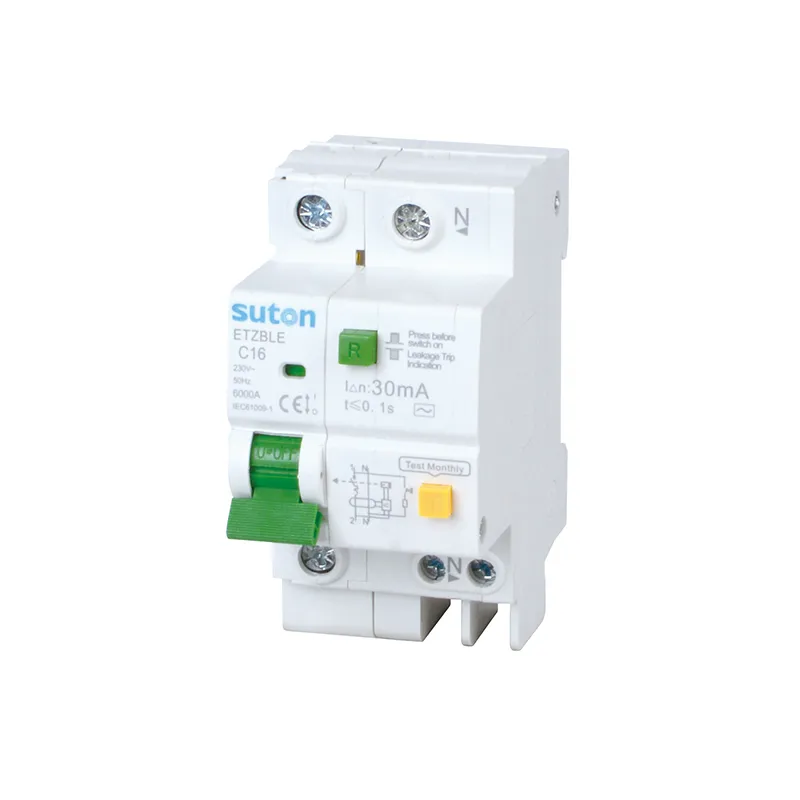
Part 1. What is a Type A RCD in a panel schedule?
Ask “which Type A RCD for this circuit?” and you are asking for a documented classification outcome, not a catalogue keyword. Type A identifies a residual-current detection characteristic within the applicable product standard family. The panel builder must preserve that classification in the device schedule alongside sensitivity, poles, and rated current.
| Selection factor | Why it matters for the panel | Send with quote |
|---|---|---|
| Required residual-current classification | fixes the waveform detection duty | yes |
| Connected load technology and equipment manuals | supports the classification decision | yes |
| Device marking target and circuit arrangement | fixes family and pole duty | yes |
| Supply and earthing arrangement | fixes application conditions | yes |
| Rated current, poles, and neutral routing | fixes physical and electrical duty | yes |
| Overcurrent protection reference for RCCB arrangements | separates residual from overload duty | yes |
| Prospective fault current and coordination data | supports combination rating review | when applicable |
| Required test method and commissioning scope | fixes handover evidence | yes |
| Standards requested and quantity | fixes approval and procurement batch | yes |
Projects that skip the table often receive quotations built on a generic “RCD” description alone. That produces a second procurement cycle once marking, waveform duty, or test access is challenged on site.
Part 2. How is Type A different from a generic RCD request?
RCD is an umbrella term for residual-current protective devices. Type A identifies a particular detection characteristic for sinusoidal AC and pulsating DC residual currents within the applicable standard and product instructions. A generic RCD page, a distributor category, or a leakage-protection icon does not prove Type A suitability for a documented circuit.
Device-level residual-current selection steps live in the residual current circuit breaker guide. Combined residual-plus-overcurrent arrangements are covered in the RCBO breaker guide. This article owns the Type A classification boundary and RFQ inputs — not a repeat of those device guides.
Ask for the device datasheet and visible marking, then compare them with the project design before releasing the order. Where load electronics produce smooth DC components, the classification decision may need to move beyond Type A — that boundary belongs to load screening and the design authority, not to a price comparison.
Part 3. Which circuit inputs fix the classification decision?
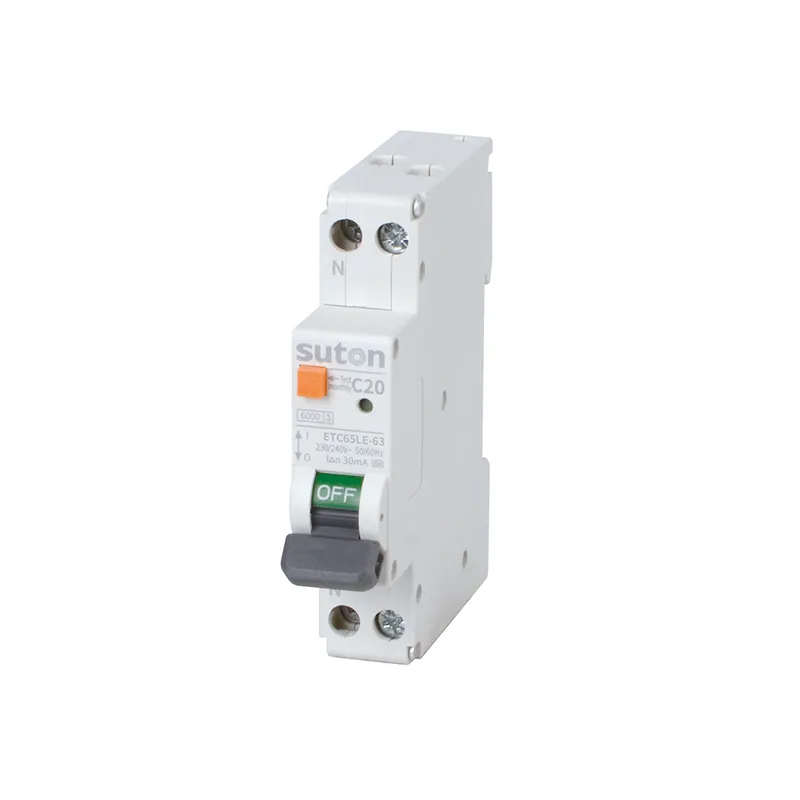
List the circuit function, supply arrangement, rated current, conductor protection method, expected load technology, earthing arrangement, environmental conditions, and required disconnection or test procedures. Electronic loads — variable-speed drives, switched-mode power supplies, and some heating controls — can influence the residual-current waveform assessment. The conclusion must come from documented load and device information, not from a product category name alone.
Note single-circuit versus group protection because neutral routing, test access, labelling, and fault isolation change with the arrangement. Add prospective fault current and upstream device data whenever the manufacturer combination tables or project fault study require it.
Confirm DIN-rail positions, terminal orientation, bending space, and test-button reach on the schematic before the layout is frozen. Devices that pass a desk rating review but lack wiring access or label space frequently fail site commissioning.
Part 4. Why are RCCB, RCBO, and MCB roles not interchangeable?
An RCCB provides residual-current protection but normally relies on separate overcurrent protection. An RCBO combines residual-current and overcurrent functions for its protected circuit. An MCB provides overcurrent protection and does not detect residual current.
| Device role | Residual function | Overcurrent function | Planning consequence |
|---|---|---|---|
| RCCB | yes | no — needs a separate breaker | pair with identified overcurrent device |
| RCBO | yes | yes, built in | fixes final-circuit duty in one device |
| MCB | no | yes | does not satisfy a Type A classification by itself |
These roles affect circuit schedules, neutral connections, selectivity, test procedures, and replacement rules. A Type A requirement therefore cannot be met by writing “RCD/RCBO” on an RFQ without identifying the actual protective functions and device marking needed.
When residual devices cascade, step sensitivities and confirm manufacturer pairing so an upstream group unit does not clear the zone before a downstream circuit device. File coordination evidence beside the fault study in the panel dossier.
Part 5. What installation and testing checks apply before energization?
Follow the approved installation instructions and the project’s authorized test method. Verify line and neutral connections, device position, test-button accessibility, circuit identification, conductor terminations, and any upstream or downstream arrangement shown on the drawing.
Record the installed device marking and the test result in the commissioning record. If a device operates unexpectedly, capture the circuit state and connected load before changing sensitivity or replacing the device. An unexplained trip can indicate a wiring, load, or coordination issue rather than a defective device.
Before handover, reconcile the installed assembly with the approved design. Bundle the circuit schedule, device schedule, wiring diagram, installation instructions, inspection record, and authorized test results into the project file.
Part 6. Route an evidence-based SUTON inquiry
Send with the inquiry:
| RFQ input | Why it matters |
|---|---|
| Required residual-current classification and project terminology | fixes what must be quoted |
| Connected load technology and equipment manual references | supports the classification decision |
| Device marking target and circuit arrangement | fixes family and pole duty |
| Rated current, poles, voltage, and earthing system | fixes application conditions |
| Overcurrent arrangement and coordination data | fixes combination ratings |
| Mounting interface, standards, and test expectations | fixes assembly and commissioning scope |
| Quantities and accessories | fixes procurement batch |
Fit Boundary: this guide helps distinguish Type A from a generic RCD or RCBO request for LV distribution panels. It is not sufficient to decide protection where earthing, device marking, load waveforms, fault duty, or applicable installation requirements are unknown. Escalate those gaps to the design authority before the package is priced.
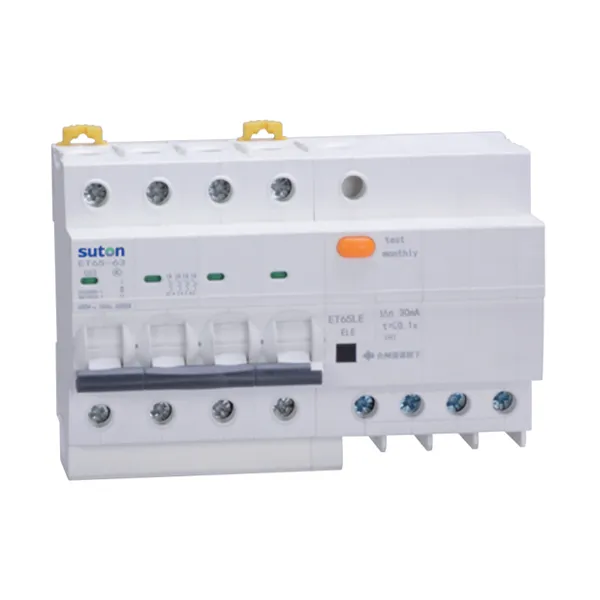
SUTON’s modular DIN rail products provide a public route for modular protection categories. The DZ47LE miniature circuit breaker route can support a category discussion, but this guide does not claim its exact Type A marking, sensitivity, or coordination characteristics for an unspecified application.
Send the circuit schedule, required classification, earthing data, device markings, and quantity through Contact SUTON for confirmation. Require every supplier to quote against the same RFQ table and file the approved device schedule with the panel dossier.
Classification records and service discipline
Keep the classification worksheet, circuit schedule, coordination references, test records, and revision history together as one takeover package. Owners who receive the full dossier can extend the branch with traceability; owners who receive only a label often restart the classification review at the first trip.
Update the worksheet whenever circuits are added or load technology changes, then re-energize only after review. A new inverter, charger, or branch swap can alter waveform duty and commissioning scope even when nameplate ratings stay the same.
Log circuit identity, connected loads, and switching context after any unexplained trip before reset. Repeated patterns in the log often separate a wiring defect from a load condition the original worksheet did not capture.
FAQ
What is a Type A RCD?
It is a residual-current protection classification selected against documented waveform and circuit conditions, subject to the device marking and instructions.
What residual currents can Type A detect?
Use the applicable standard and the specific device documentation; do not infer the exact detection capability from a generic RCD label.
How is Type A different from a generic RCD?
Generic RCD is an umbrella description, while Type A identifies a particular residual-current detection classification within the product standard family.
Is a Type A RCD the same as an RCBO?
No. Type A describes a residual-current characteristic, while RCBO describes a device combining residual-current and overcurrent protection.
What must be tested before energization?
Verify installed markings, connections, accessibility, identification, and the authorized project test procedure against the approved documentation.
What data belongs in a Type A RCD RFQ?
Provide the required classification, sensitivity, current, poles, voltage, circuit duty, load technology, coordination data, mounting interface, standards, and quantity.