


Use this shunt trip guide to turn a short request into an engineering review with traceable panel inputs.
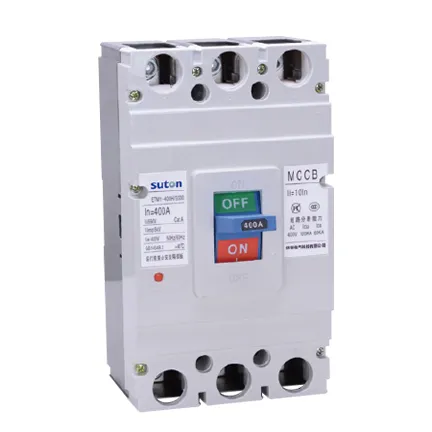
Related reading: Circuit Breaker Guide and MCCB Breaker Guide.
Part 1. What is a shunt trip used for?
A shunt trip is an accessory that opens a compatible circuit breaker when its coil is energized by an authorized control signal. Typical uses include fire-alarm interface, emergency power-off, interlocking and remote trip commands. It is selected with the host breaker model, coil voltage, duty and wiring method.
| Decision input | Why it matters | Send with quote |
|---|---|---|
| Host breaker model | Accessories are frame-specific | Yes |
| Coil voltage | Must match control supply | Yes |
| Signal source | Fire, EPO, PLC, interlock | Yes |
| Wiring / terminals | Affects panel build | Yes |
Important: a shunt trip is not a substitute for the breaker overcurrent protection function — source: IEC product/assembly selection practice.
Part 2. How should control logic be documented?
Record whether the trip signal is maintained or pulsed, which system initiates it, how reset is authorized, and whether simultaneous trips affect multiple boards.
Part 3. Which compatibility checks prevent rework?
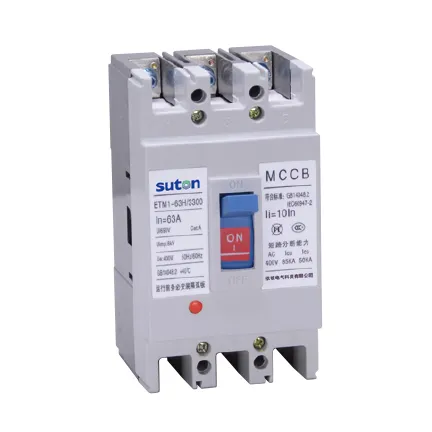
Confirm the accessory kit is listed for the exact breaker frame and trip unit. Left/right mounting, terminal blocks and interlocking with undervoltage releases must match the manufacturer instructions.
Part 4. What installation details change the result?
Control cable routing, segregation from power conductors, ferrule quality and labelling affect reliability. Verify coil burden on the control supply.
Part 5. How should commissioning verify shunt-trip behaviour?
Simulate the authorized trip signal, confirm the breaker opens, prove reset rules and record coil voltage measurements.
Part 6. Where can SUTON product routes fit?
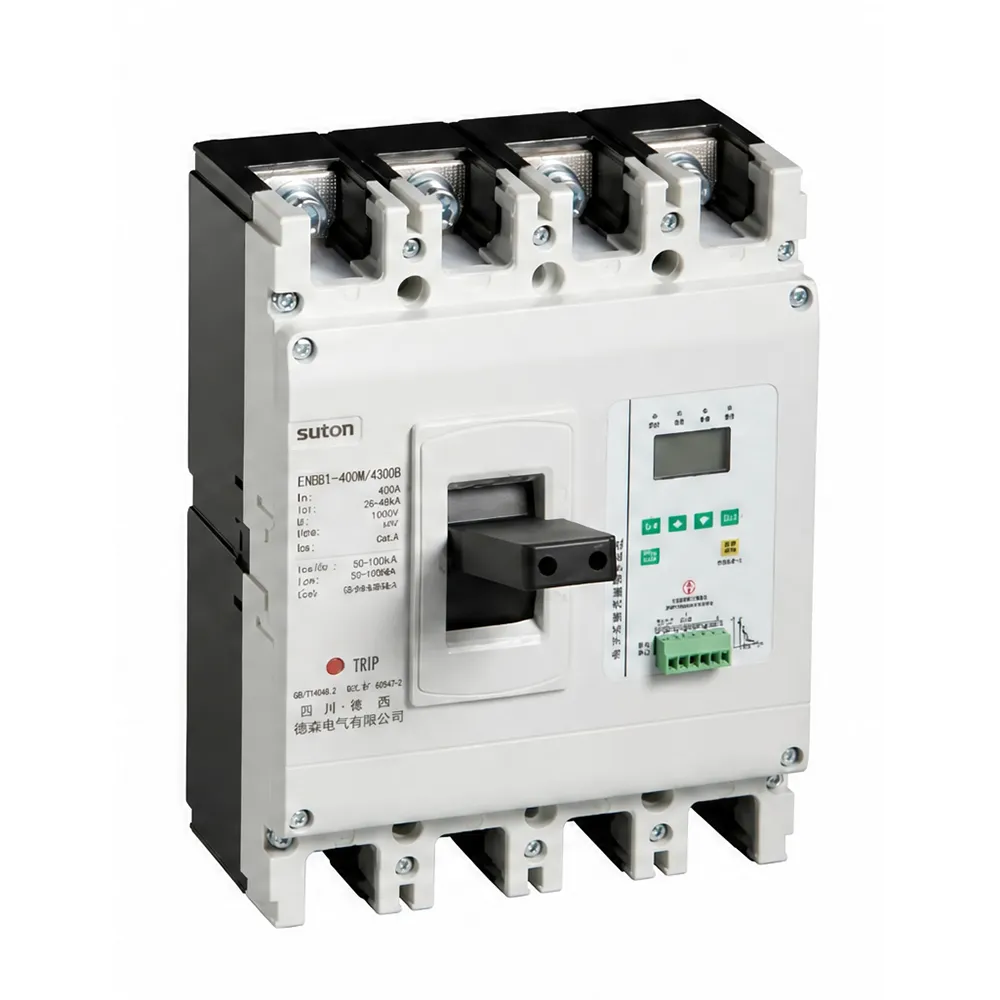
Send with the inquiry: State host breaker model/frame, coil voltage, signal source, quantity, wiring preferences, standards and any concurrent accessories. Fit Boundary: this guide documents shunt-trip inputs; it does not prove accessory fit without the host-device datasheet.
Review SUTON’s molded case circuit breakers and relevant modular families only as host-device routes; accessory compatibility is model-specific. Send the host-device schedule and control schematic through Contact SUTON for accessory compatibility review.
Verification workflow
Before comparing quotations for shunt trip, create a controlled worksheet that maps this exact phrase to the approved drawing, duty profile, protective roles, interfaces, environment and acceptance criteria for the shunt topic family. Reject look-alike substitutions that only match a familiar label.
When installing the chosen shunt trip hardware, reconcile markings, terminals, accessories, wiring diagram and test instructions against the released schedule for this article topic. Retain the shunt trip inspection pack in the panel dossier so future maintenance starts from evidence rather than assumptions.
FAQ
Does a shunt trip provide overcurrent protection?
No. It is a remote/authorized trip accessory on a compatible breaker.
Why must the host model be named?
Shunt-trip kits are frame- and series-specific.
What coil data is required?
Control voltage, source and whether the signal is pulsed or maintained.
Can one shunt trip feed many breakers?
Only if the design and manufacturer instructions support that control arrangement.
What should witnessing tests show?
Authorized trip, correct opening, reset rules and recorded control voltage.
What belongs in a shunt trip RFQ?
Host model, coil voltage, signal source, wiring, related accessories, standards and quantity.