


A main circuit breaker sits at the incomer position and protects the board or feeder according to the approved load, fault and coordination study. It may also provide switching, but its protection role must be documented separately from the board’s isolation requirement.
Important: IEC 61439-1 governs the low-voltage assembly context, while IEC 60947-2 covers circuit-breaker product scope. Neither standard lets a panel team infer a final breaker rating, setting, interrupting duty or coordination result without project evidence.
Part 1. Main-breaker role at the incomer
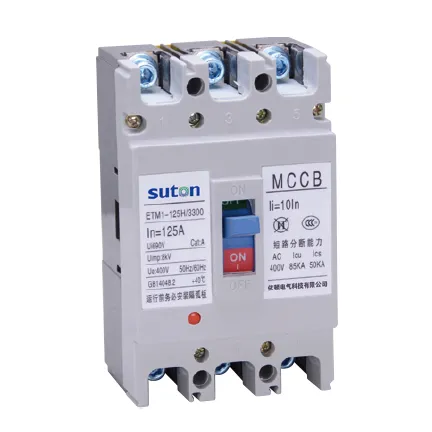
The main circuit breaker is the protective device assigned to the board incoming position or a defined feeder position. It must be selected from the circuit duty, load schedule, upstream source, downstream distribution and approved protection philosophy. A board can have a main breaker without using the phrase “main switch” for its isolation device.
The circuit-breaker panel guide covers the broader assembly. This page owns the incomer breaker decision: what must be protected, what must be coordinated and what evidence belongs in the quotation.
| Incomer question | Why it matters | Document to attach |
|---|---|---|
| Board or feeder position | defines the device’s electrical role | single-line diagram |
| Connected load and demand basis | supports the current selection | load schedule |
| Prospective fault information | frames the interrupting-duty review | fault study or source data |
| Upstream/downstream devices | supports coordination | protection schedule |
Part 2. Protection and isolation: keep the roles explicit
An incomer breaker can combine protection and switching functions when the selected device and project design allow it. A main switch or switch-disconnector may provide isolation without providing the same overcurrent protection. Do not use the names interchangeably in the schedule.
The live main switch selection guide owns the isolation-first question. The MCCB breaker guide owns the wider molded-case device family. Link the three roles in the single-line rather than asking a supplier to infer them from “main breaker.”
Part 3. Breaker family and coordination evidence
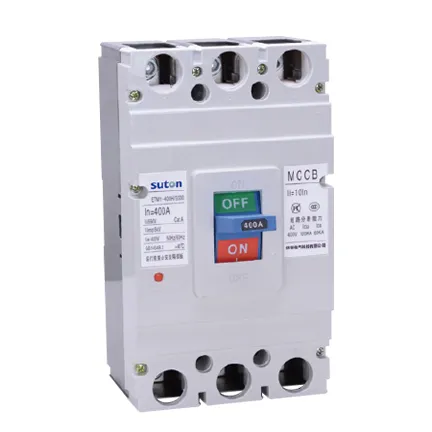
Review the breaker family only after the study identifies the required poles, current range, voltage context, interrupting duty, trip functions and coordination boundary. The public ETM1 molded case circuit breaker page is a family-level route and asks buyers to specify model, specifications and accessories. The ETM3E intelligent measurement circuit breaker route is relevant where the project needs that family’s documented measurement and accessory context.
| Coordination input | Review question | Evidence |
|---|---|---|
| Upstream device | Which device clears a source-side fault first? | coordination study |
| Downstream devices | Which branch or feeder must remain selective? | time-current or manufacturer data |
| Prospective fault duty | What duty applies at the installation point? | fault study |
| Trip functions and settings | Which functions are required by the design? | approved setting sheet |
| Accessories and metering | What signals or controls are included? | wiring and accessory schedule |
Do not copy a current or breaking value from a different frame or from a product photograph. The released model document and project study control the final selection.
Part 4. Incomer layout and verification records
Reserve the breaker footprint, cable bending space, termination access, operating handle, labels, barriers and any accessory wiring before the panel GA is frozen. The incoming conductors, neutral arrangement, protective conductor and downstream busbar interface must match the released drawing.
Before energization, compare the installed model, poles, markings, terminals, accessory codes and approved settings with the schedule. Follow the authorized project procedure for continuity, insulation, functional and protection checks; record results against the drawing revision. Cableizer technical documentation can help keep circuit inputs explicit, but it does not validate a project result.
Important: A breaker’s catalogue family or nameplate does not prove that the completed assembly has passed its coordination, fault-duty or verification requirements. Hold missing study data for design review before energization (IEC 61439-1).
Part 5. Main-breaker RFQ inputs
Send with the inquiry:
| RFQ input | Why it changes the quote |
|---|---|
| Board/feeder role and single-line | defines incomer duty |
| Load schedule and demand basis | supports current and pole review |
| Supply voltage, phase and neutral arrangement | fixes circuit context |
| Prospective fault data | supports interrupting-duty review |
| Upstream/downstream device schedule | supports coordination |
| Trip functions, accessories and metering | defines the control package |
| GA, terminals and cable-entry limits | checks panel fit |
| Quantity, standards and test records | makes offers comparable |
Attach the controlled drawing revision and any applicable protection study. A quote that lists only “main breaker” leaves the most important selection boundaries unresolved.
Part 6. SUTON routes for model-level review
.webp)
The ETM1 molded case circuit breaker is a public SUTON route for a molded-case incomer inquiry when the project can provide its exact frame, poles, duty, accessories and coordination inputs. Review the ETM3E intelligent measurement circuit breaker route when that family’s documented measurement or accessory context belongs in the design.
Fit Boundary: these public pages do not establish a universal main-breaker rating, trip setting, interrupting duty, certification, metering result or project fit. If the fault study, load schedule or enclosure interface is incomplete, do not recommend a final model. Submit the controlled incomer package via Contact SUTON so the model route can be reviewed.
FAQ
What does a main circuit breaker do?
It is the protective breaker assigned to a board incomer or defined feeder, selected from the load, fault, coordination and assembly requirements.
Is a main circuit breaker the same as a main switch?
No. A main circuit breaker owns a documented protection role; a main switch or switch-disconnector may primarily provide isolation. A design may require one device or separate devices.
Which breaker family can serve as an incomer?
The family must match the approved current, poles, voltage, fault duty, trip functions, enclosure interface and coordination study. ETM1 and ETM3E are public SUTON routes for model-level review, not universal approvals.
What coordination data is needed?
Provide prospective fault data, upstream and downstream devices, load schedule, required selectivity or coordination study, trip functions and the approved setting basis.
How should a main breaker be checked before energization?
Compare the installed model, poles, markings, terminals, accessories and settings with the released schedule, then follow the authorized project verification procedure and record the result.
What should a main-breaker RFQ include?
Send the incomer role, single-line, load and fault data, supply arrangement, coordination inputs, trip/accessory needs, GA limits, quantity, standards and required records.
When is ETM1 or ETM3E a relevant route?
Use either as a family-level inquiry route after the project defines the incomer duty and required model evidence; confirm the final frame, settings, accessories and fit with SUTON.