


When panel builders specify a iot breaker, the decision ties together load data, fault levels, device coordination, and the documentation package your customer expects at handover. This guide outlines practical evaluation steps for commercial and industrial LV projects worldwide—without substituting project-specific engineering sign-off.
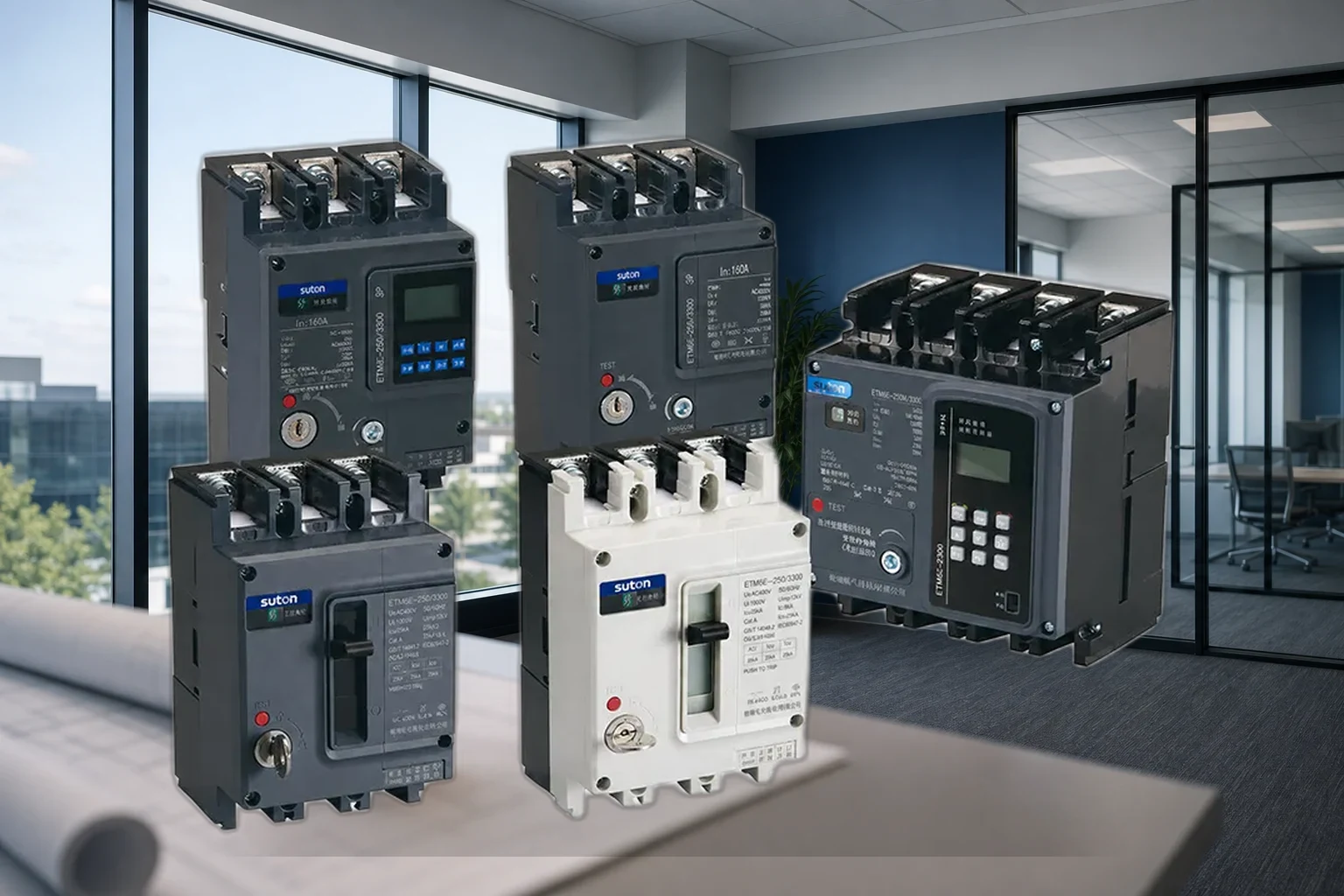
What iot breaker means in low-voltage distribution
In distribution assemblies, a iot breaker sits within a hierarchy of switching and protective devices that feed final circuits or sub-mains.
Device selection should follow approved single-line diagrams, prospective fault current, and the environmental rating of the enclosure.
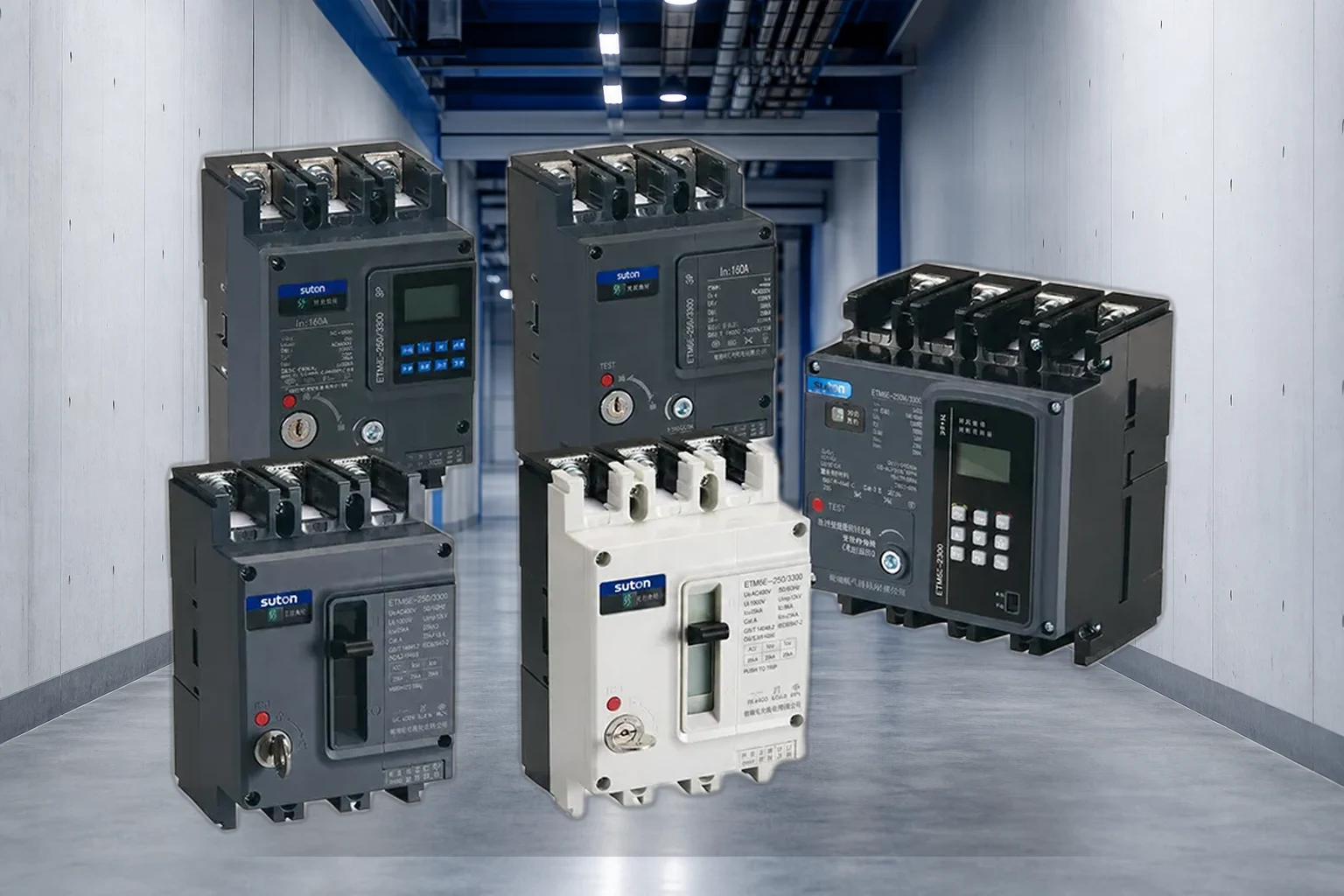
Key ratings and data panel builders should capture
Record nominal voltage, frequency, rated current, breaking capacity, and wiring scheme before locking a catalog SKU.
Where residual current or arc-fault functions are required, specify the exact device type rather than relying on generic labels.
| Data item | Why it matters | Typical source |
|---|---|---|
| Load schedule | Basis for device sizing | Owner / consultant |
| Fault level | Breaking capacity | Study / utility data |
| Coordination target | Selective isolation | Protection engineer |
| Enclosure / IP | Environment fit | Site specification |
Installation context and coordination notes
Upstream MCCB or main switch ratings must align with downstream device curves to reduce nuisance tripping during maintenance.
Leave spare ways or expansion space when the RFQ anticipates future loads—document assumptions in the quotation.
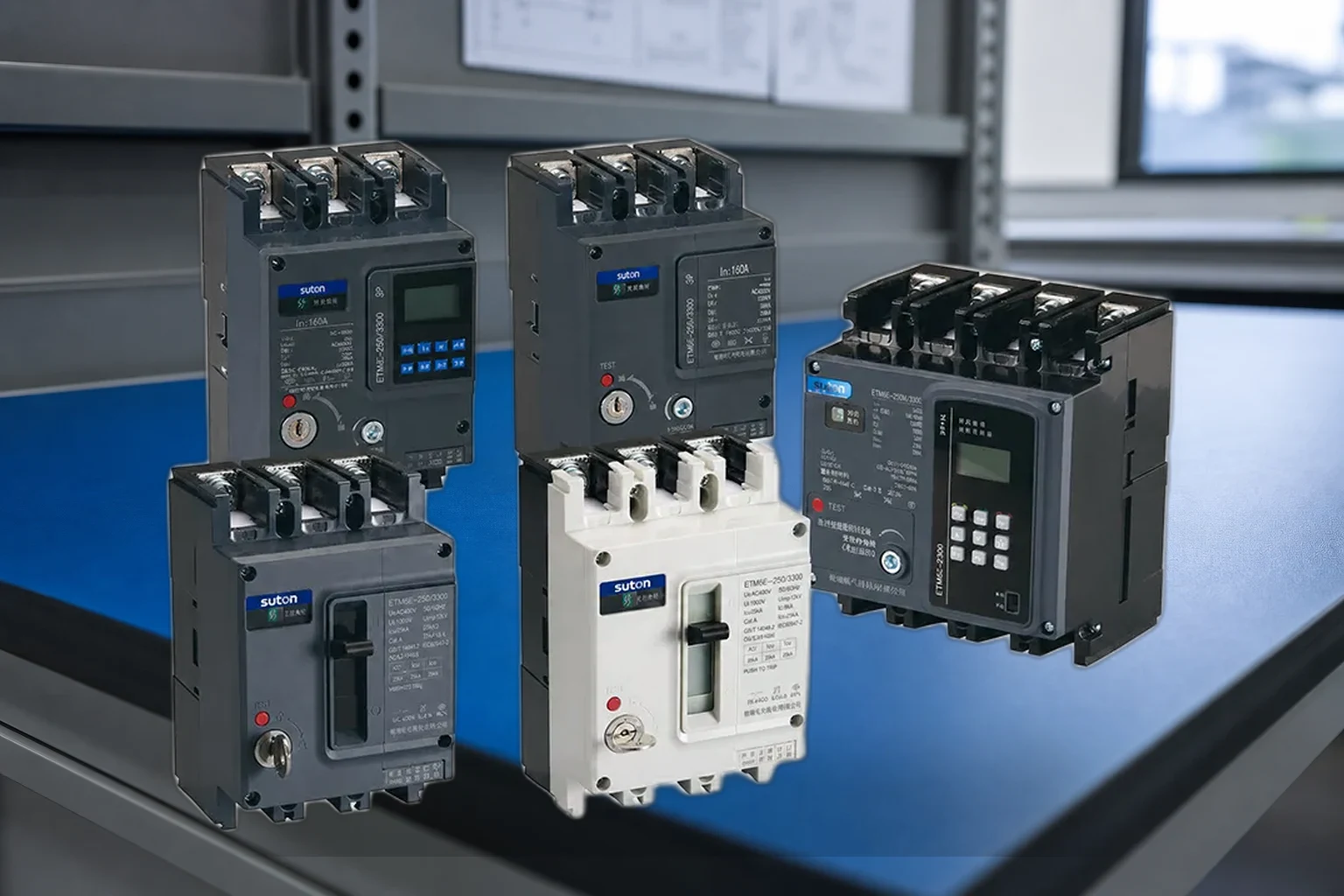
When your single-line diagram and load schedule are fixed, compare SUTON ETM6E IoT MCCB and SUTON ETM3E Intelligent Measurement MCCB, explore application solutions, or review OEM/ODM capabilities. For datasheet alignment against your fault study, SUTON engineering support can review project parameters.
FAQ
What is a iot breaker used for?
A iot breaker provides defined protection or switching functions within a low-voltage distribution path, selected to match load, fault level, and wiring rules.
How do you select a iot breaker for a commercial panel?
Collect load schedules, fault studies, enclosure ratings, and coordination targets; match device curves to upstream and downstream protectors.
What is the difference between iot breaker and related protection devices?
Related devices may combine functions (e.g., overcurrent plus residual current); the specification should name required functions explicitly.
What standards apply to iot breaker in low-voltage assemblies?
IEC 60947 series and IEC 61439 assemblies are common references; U.S. projects also follow NFPA 70 (NEC) and local AHJ rules.
How does a iot breaker coordinate with upstream breakers?
Coordination requires aligned time-current curves so faults isolate at the intended level without unnecessary upstream trips.
What documents should panel builders request for iot breaker?
Request type test summaries, wiring diagrams, spare parts lists, and commissioning checklists suitable for your acceptance plan.
References