


A 2 pole 20 amp breaker is a two-pole protective device whose 20 A marking must be reviewed with the circuit, conductor, installation and host-panel data. It is not a shortcut to a conductor size or a universal replacement part. For a panel build, the usable answer starts with the approved drawing and the exact device family.
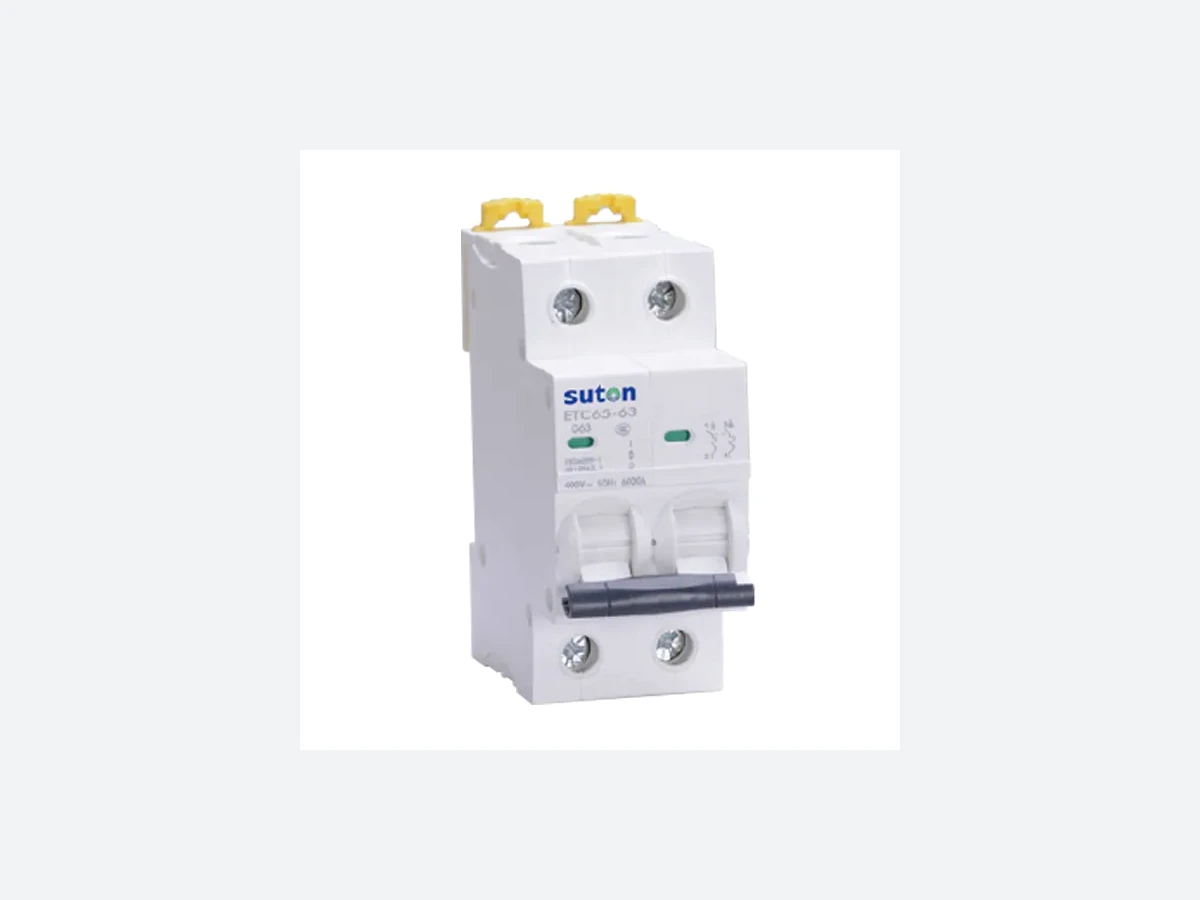
For broader product-family navigation, start with modular DIN rail products. This guide narrows the discussion to the combined 2P and 20 A request, while the 20 amp breaker guide covers the rating from a wider branch-circuit viewpoint.
Part 1. What does a 2 pole 20 amp breaker describe?
The phrase combines two different identifiers. “20 amp” is the stated rated-current request; “2 pole” describes a device with two poles that must be considered as one installed arrangement. Neither label tells a buyer the conductor construction, system arrangement, mounting scheme, or required breaking duty.
The first useful distinction is between a pole configuration and two unrelated circuits. The circuit diagram, isolation requirement and manufacturer documentation decide how the poles are intended to operate. A two-pole request therefore needs a one-line description of the circuit function before a catalogue comparison begins.
| Input | What it establishes | Why a panel builder needs it |
|---|---|---|
| Circuit function | Supply, load or isolation duty | Prevents a label-only selection |
| Rated current request | 20 A starting point | Keeps the device review tied to the design |
| Pole arrangement | Two-pole topology and operation | Determines the relevant device version |
| Host system | Panel and device family | Avoids assuming a physical replacement fits |
Part 2. Which circuit facts decide whether 20 A is suitable?
Conductor assessment begins with the installation conditions, not with a familiar breaker size. Cableizer’s ampacity documentation illustrates why conductor construction and installation conditions are part of the calculation context. The released design remains the authority for any final conductor or protective-device decision.
Record the load description, supply details, conductor material and construction, route conditions, grouping and termination constraints. Route length also belongs in the record because voltage-drop assessment relies on circuit data rather than a single current label. Those entries let engineering compare like with like instead of treating every 20 A circuit as identical.
Important: A 20 A marking cannot prove that a selected conductor, terminal, enclosure or upstream protective arrangement is suitable. Confirm the applicable product documentation and project design before energization (IEC 60898-1).
Part 3. When does the two-pole arrangement matter?
Where the approved schematic calls for a two-pole protective or switching arrangement, the poles must be reviewed as that arrangement—not as two loose single-pole items. The operating linkage, circuit topology and permitted use are device- and project-specific. This is why a buyer should provide the single-line drawing or the relevant circuit excerpt with the request.
The double pole MCB guide gives a broader explanation of pole-related questions. Here, the practical check is narrower: verify that the requested 20 A device has the required pole count, intended operation, supply context and accessory boundary in the same released family.
| Review point | Evidence to compare | Decision consequence |
|---|---|---|
| Pole count | Device marking and drawing | Confirms the requested topology |
| Operating relationship | Manufacturer instructions | Prevents an assumed linkage |
| Voltage and circuit arrangement | Approved circuit information | Keeps the device in its intended duty |
| Standard context | Project specification | Identifies the required documentation set |
Part 4. Which panel checks change the selection?
Panel space is a real selection input. The rail position, adjacent devices, terminal approach, bend space and enclosure arrangement can change whether a nominally suitable item is practical to build and service. The published IEC 60947-2 record is useful standard context, but it does not replace the device-family instructions or the assembly design.
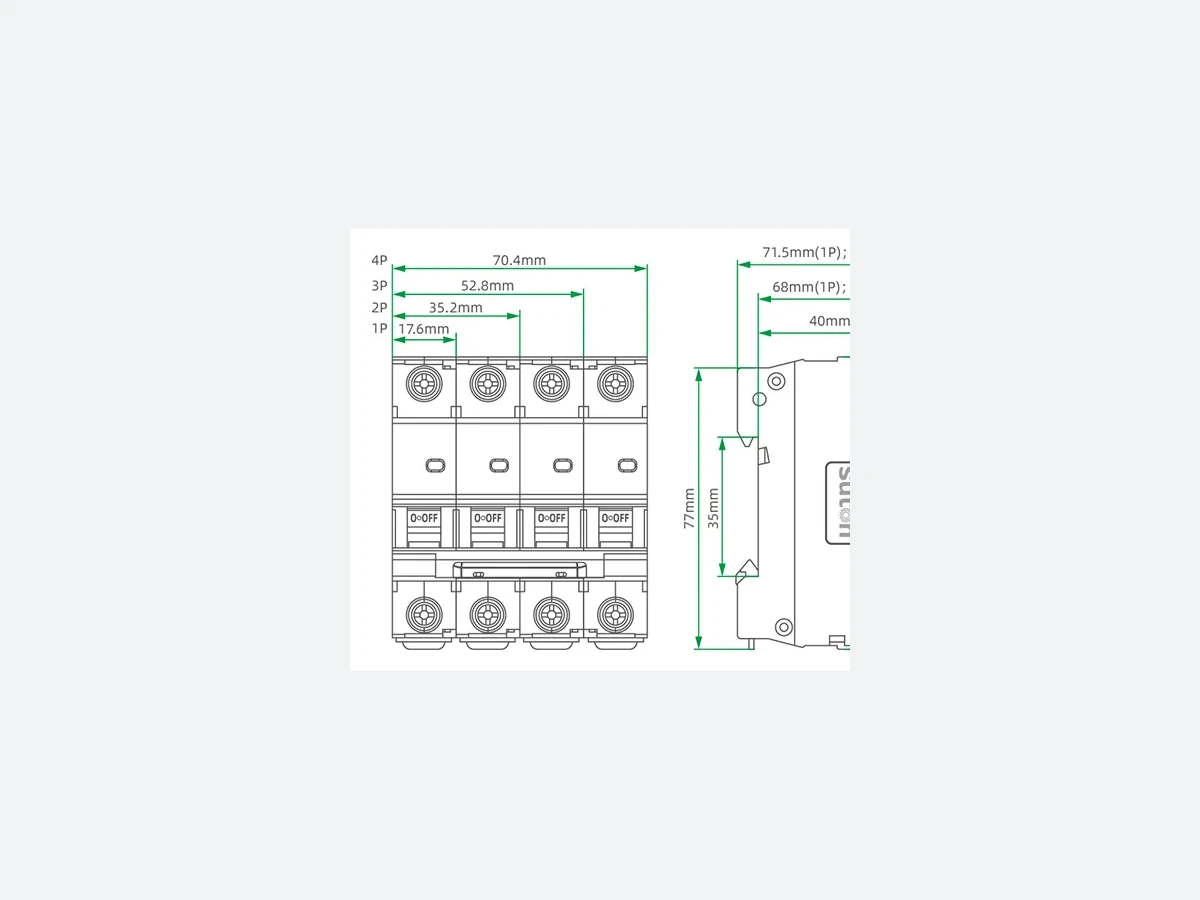
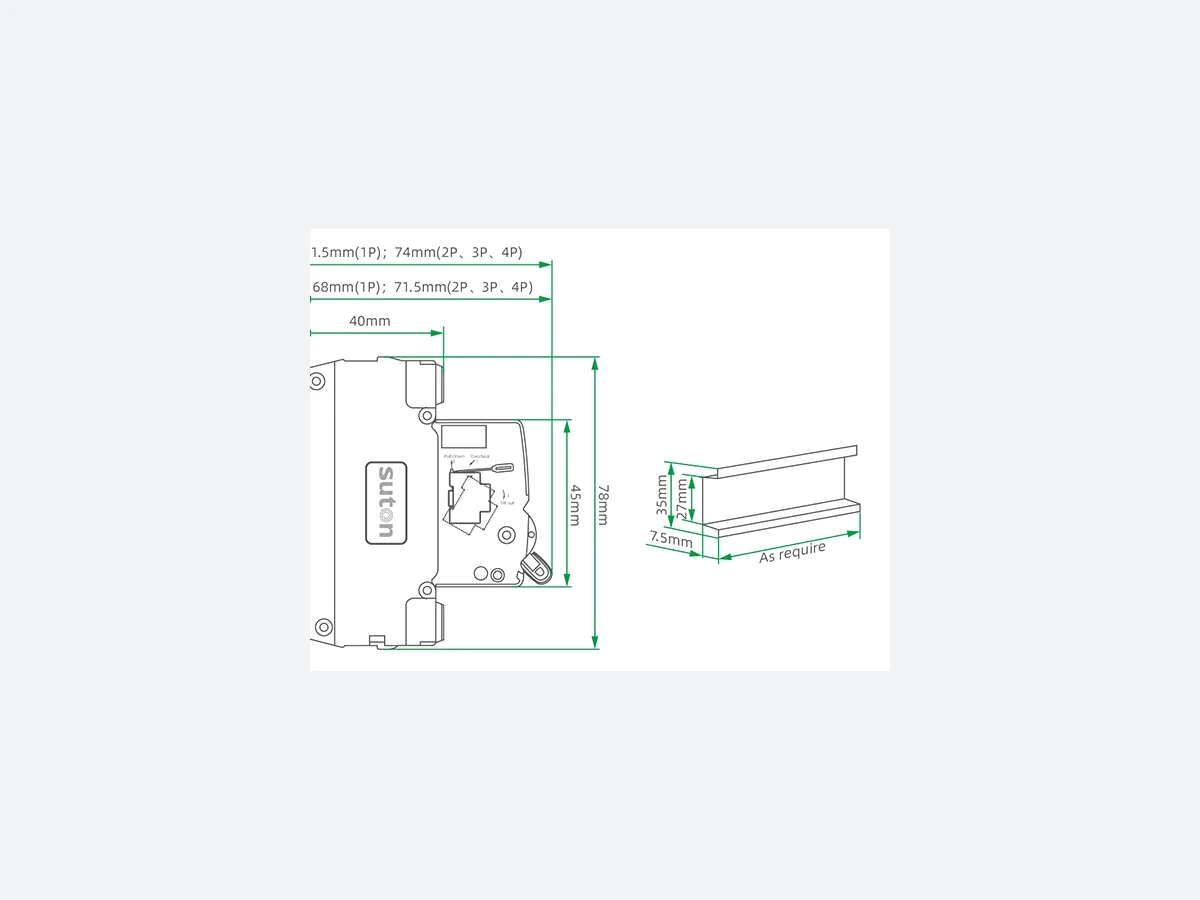
Use a drawing review to make the physical constraints visible. Check the rail and mounting arrangement, the terminal direction, the clearance needed for wiring and any adjacent accessory. Do not infer a dimension, terminal acceptance or electrical duty from a photograph.
Part 5. How should a buyer compare options without guessing?
Compare quotations against the same input set. Retail-style listings often make current rating and pole count easy to find, but a panel quotation also needs the circuit function, host-device family, documentation requirement and quantity. The table below turns a short phrase into reviewable inputs without prescribing the final configuration.
| Buyer should state for quote | Why it changes the review | Where to find it |
|---|---|---|
| 2P and 20 A request | Defines the initial configuration | Circuit schedule |
| Circuit function and supply details | Sets the operating context | Approved schematic |
| Conductor and termination information | Supports fit and installation review | Wiring schedule |
| Panel layout and mounting constraints | Checks physical integration | General arrangement drawing |
| Required documents and quantity | Makes quotations comparable | Procurement package |
This approach is more useful than asking which device is “best.” It exposes the unknowns early, makes substitutions visible, and leaves project approval with the responsible design team.
Part 6. Where can a modular MCB route fit?
SUTON’s public DZ47 Series MCB page lists 1P through 4P versions and includes 20 A among the published rated-current options. That makes it a reasonable family route to investigate when the released project calls for a modular MCB; it does not confirm the exact pole, trip, accessory or installation combination for a particular panel.
Fit boundary: choose this route only after the device-family documentation, circuit arrangement and panel interface have been matched to the approved design. It is less suitable when the request lacks a drawing, host-system information or the conditions needed to determine the protective duty.
For a reviewable inquiry, send the 2P/20 A request, circuit excerpt, supply and conductor inputs, panel-layout constraints, quantity and required documents through contact SUTON. That allows a supplier discussion to start with traceable facts rather than a rating alone.
FAQs
Is a two-pole device two independent 20 A breakers?
No. A two-pole request describes a device arrangement that must be read with the circuit diagram and the manufacturer’s instructions. It should not be treated as two unrelated devices without that evidence.
Can the rating select a conductor by itself?
No. Installation conditions, conductor construction, route information and the project rules are also needed. See the ampacity documentation for the type of inputs involved.
What should be checked for panel fit?
Check rail arrangement, adjacent equipment, terminal access, wiring space and the released dimensional information for the selected device family.
Is a 2P MCB always the right device?
No. The project’s protective duty, circuit arrangement and applicable device documentation determine the product category and configuration.
What should be sent for a quote?
Provide the circuit function, requested poles and rating, drawing excerpt, supply and conductor information, panel constraints, quantity and documentation needs.
Which SUTON route can start the review?
The DZ47 Series MCB page is a public starting point for modular MCB requests because it lists 2P and 20 A options. Confirm the exact model with the released project information.