


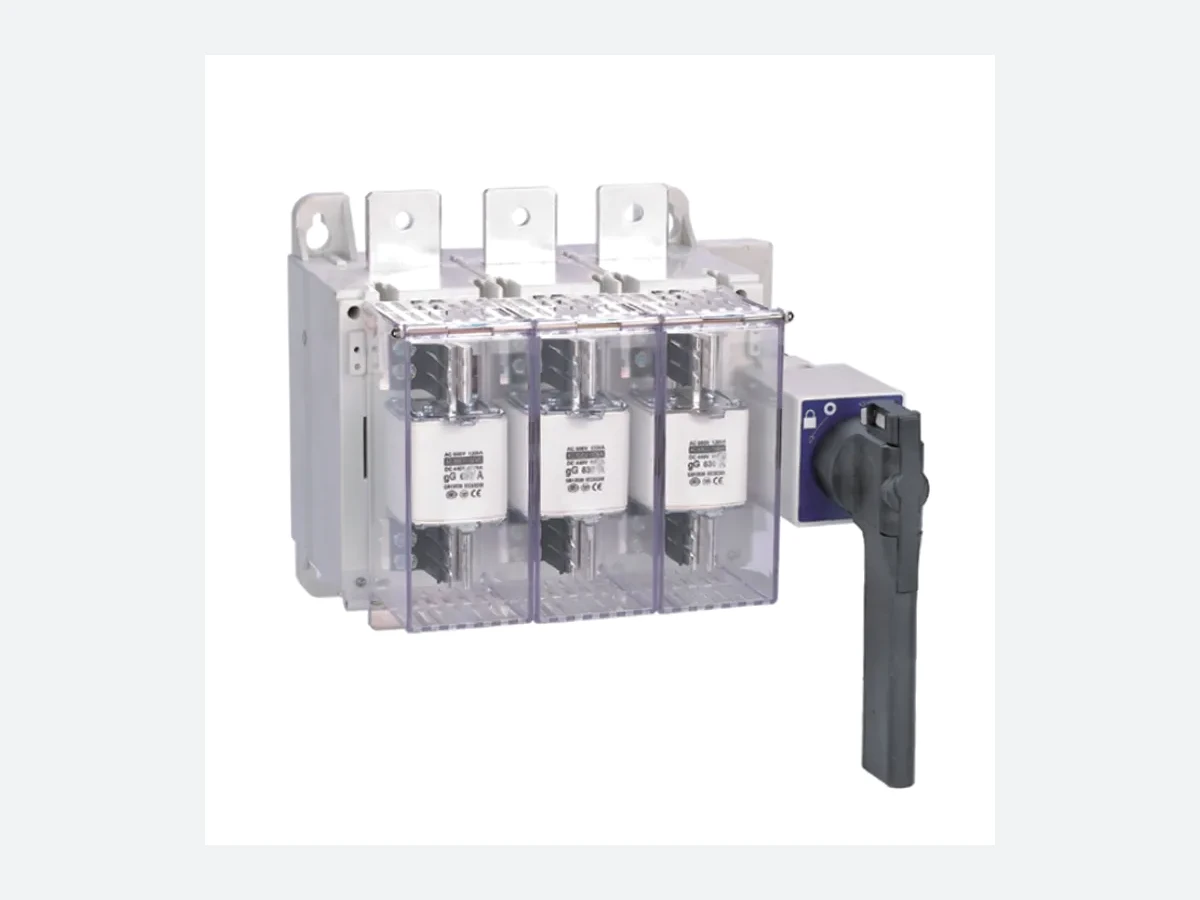
A fuse switch disconnector combines a switching/isolation function with a fuse interface, so selection must cover the circuit duty, fuse format, poles and operating method. The product name alone does not establish coordination, enclosure fit or final compliance.
Part 1. What function is combined?
The device provides a defined switching and isolation arrangement while the fuse remains part of the protective system. The approved drawing must identify the protective role, isolation requirement and fuse interface.
Part 2. Which fuse and pole inputs matter?
Record the specified thermal current, pole count, fuse size, circuit arrangement and replacement-access requirements. The ETGLR public page lists 2P and 3P options and published fuse-size fields; confirm the exact model before quoting.
| Input | Procurement impact |
|---|---|
| Pole count | Changes the switching arrangement |
| Fuse size | Determines the matching interface |
| Thermal current | Filters the family range |
| Circuit role | Separates isolation from protection assumptions |
Important: A fuse-switch disconnector should not be selected from current alone. Confirm the fuse system, prospective duty and approved assembly design before ordering (IEC 60947-3).
Part 3. What changes with the handle option?
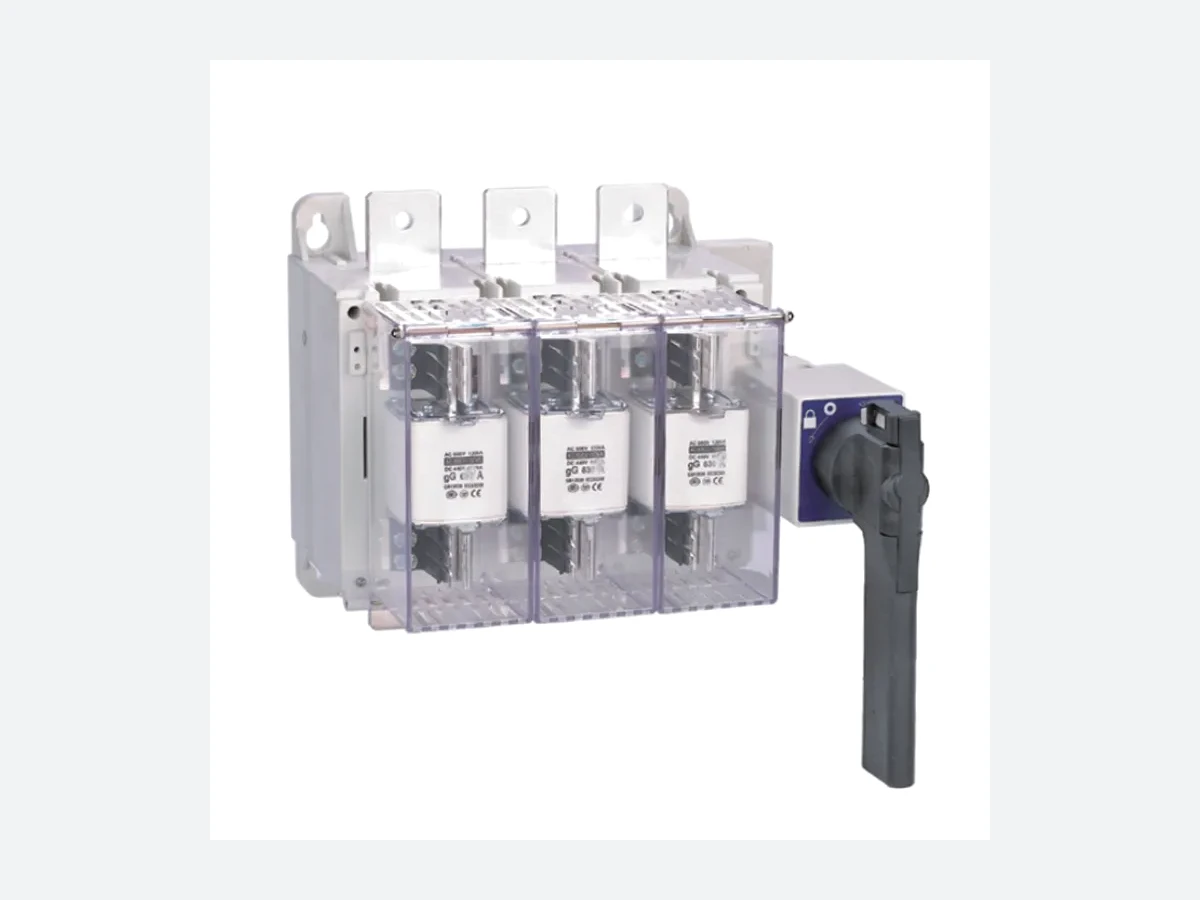
An internal handle and an external cabinet handle create different panel-interface questions. Confirm shaft length, door arrangement, operating access, interlock expectations and the released assembly drawing. ETGLR documentation notes internal operation and an external-handle option; special geometry must be confirmed.
Part 4. Which auxiliary-contact details matter?
If the panel needs indication or interlock feedback, state the desired contact arrangement and receiving circuit. The ETGLR page publishes F11 and F22 auxiliary-code options; do not infer terminal ratings or universal compatibility from the code alone.
Part 5. How should quotations be compared?
Send with the RFQ: poles, fuse size, thermal current, handle method, cabinet interface, auxiliary code, quantity and required drawings.
| Quote input | Why it matters |
|---|---|
| ETGLR family and poles | Identifies the candidate configuration |
| Fuse size and quantity | Defines the interface and order scope |
| Internal/external handle | Affects cabinet integration |
| Auxiliary-code requirement | Aligns indication/interlock needs |
| Drawings and documents | Makes technical review traceable |
Part 6. Where can ETGLR fit?
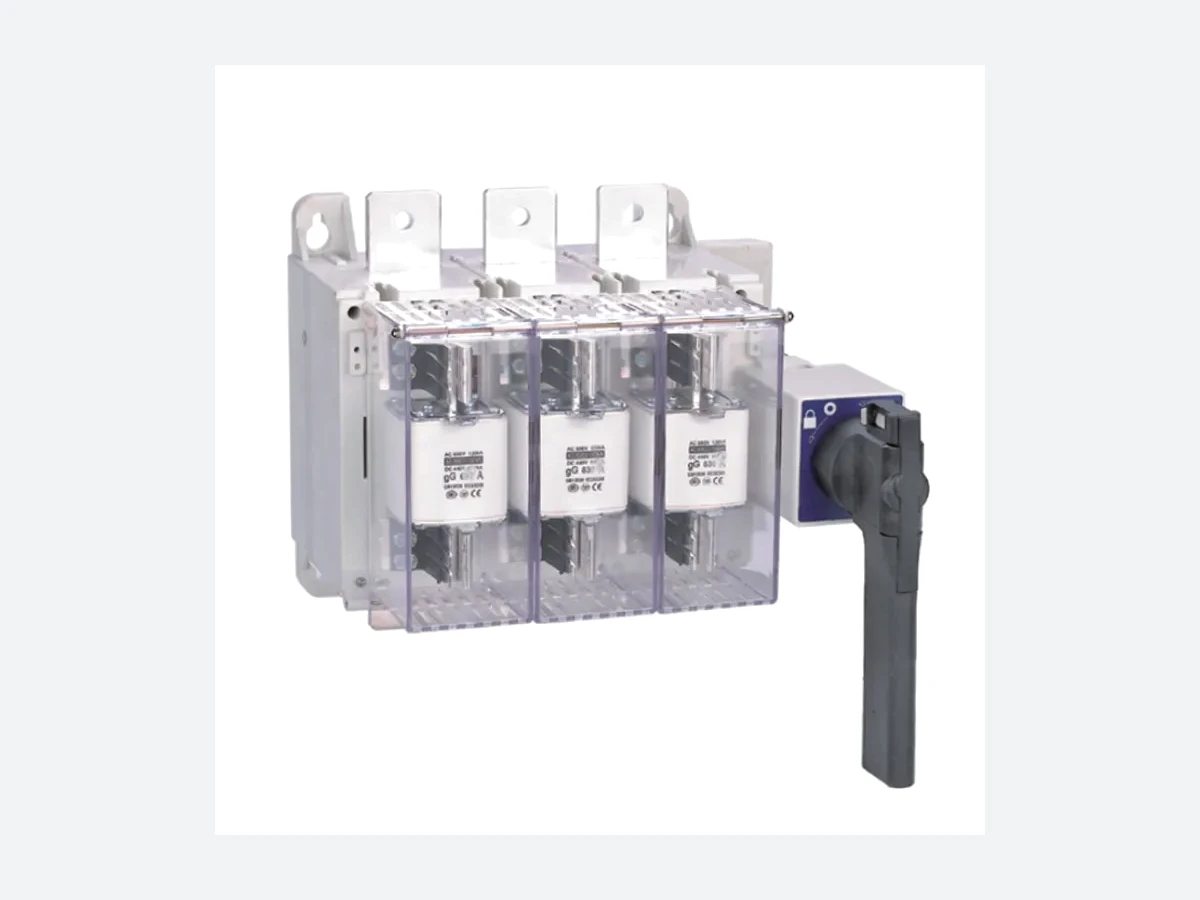
SUTON’s ETGLR Fuse-Switch-Disconnector page is a product-family starting point. It does not prove a particular fuse, short-circuit duty, handle geometry or panel application. Send the approved single-line diagram, fuse data, cabinet layout, accessory needs and quantity through Contact SUTON.
FAQs
Is a fuse switch disconnector the same as a circuit breaker?
No. Their protective and switching arrangements differ; the project must define the required device role.
Can the fuse size be chosen from current alone?
No. Fuse system, duty, coordination and the manufacturer’s documentation also matter.
What is the external handle for?
It provides a cabinet-interface option, subject to the released shaft, door and interlock details.
What belongs in the inquiry?
Send poles, fuse size, current, handle method, auxiliary code, drawings and quantity.
Is an external handle automatically suitable for every cabinet?
No. Shaft, door, interlock and assembly details must be confirmed for the specific panel.
Does the product page replace a project drawing?
No. The product page is a family-level starting point; the released drawing remains the design authority.