


A smart circuit breaker in a low-voltage panel is a protective device with a defined monitoring or control interface — not a marketing label that replaces trip settings, fault duty, or assembly verification. Panel builders should specify monitoring scope, communication boundary, and MCCB duty before approving a connected device route.
Start from single-line position, load current, prospective fault level, and the owner’s data or control narrative. Compare device classes in the circuit breaker types guide and protection basics in the circuit breaker guide before locking a smart-breaker SKU.
Important: This guide structures smart circuit breaker specification for LV assemblies in line with IEC 61439-1 and circuit-breaker duty in IEC 60947-2. It cannot approve remote switching, payment-linked tripping, or project certifications where the control narrative, lockout plan, or current model datasheet is missing — hold those inputs for engineering review before manufacture or energization.
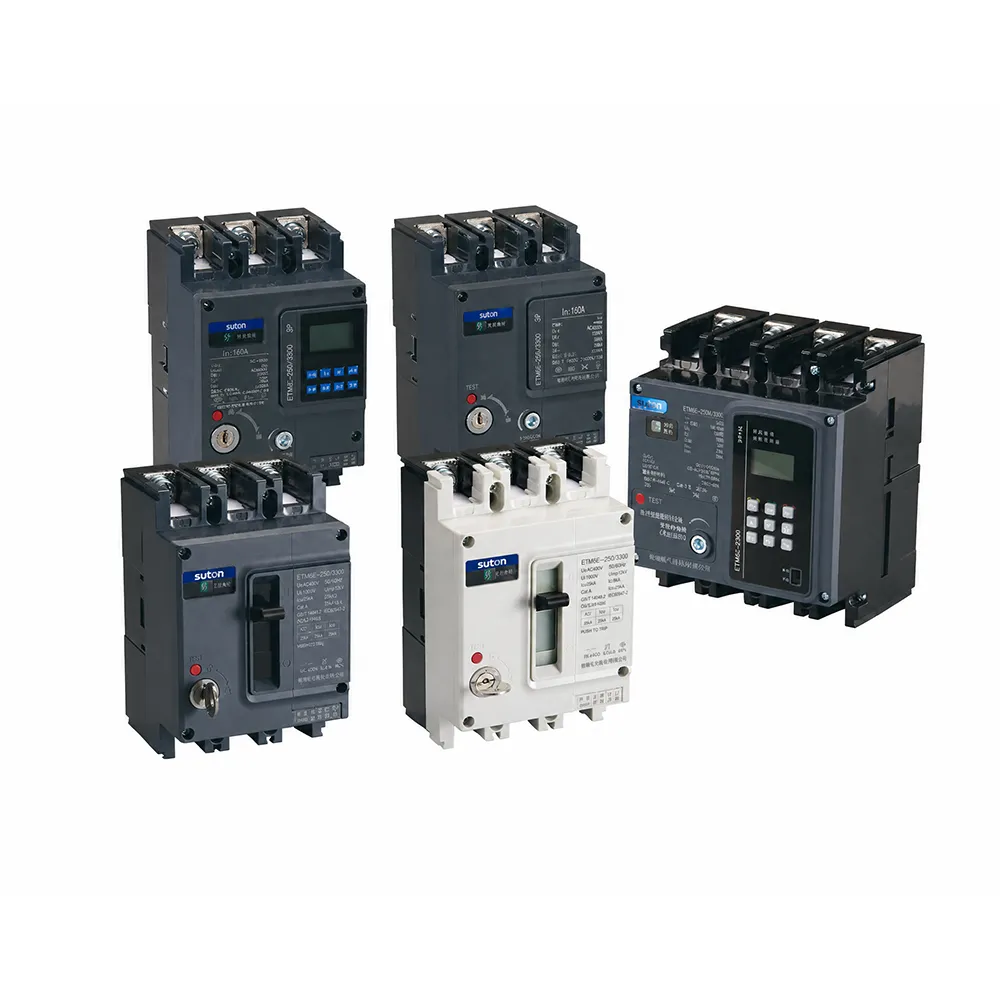
Part 1. Turn a smart-breaker request into documented RFQ inputs
When a client asks for a smart circuit breaker, translate the phrase into a controlled input set tied to panel position and connected features — not a catalogue keyword alone.
| Selection factor | Why it matters for the assembly | Send with quote |
|---|---|---|
| Panel position on the single-line diagram | fixes MCCB vs modular class and coordination role | yes |
| Rated voltage, frequency, In and minimum Icu | fixes protective frame under IEC 60947-2 | yes |
| Monitoring parameters required (current, energy, status, alarms) | fixes measurement scope vs display-only marketing | yes |
| Communication or hardwired signal list | fixes terminals, power supply, and gateway boundary | yes |
| Control philosophy and lockout/maintenance rules | fixes whether remote open/close is acceptable | yes |
| Enclosure environment, altitude and ambient | fixes derating and accessory scope | yes |
| Standards requested, quantities and delivery market | fixes approval path and procurement batch | yes |
Projects that skip the table often receive quotations built on “WiFi breaker” language alone. That produces a second cycle once protection duty, busbar space, or the owner’s SCADA boundary is challenged on site.
Part 2. Separate smart breaker scope from generic IoT marketing
“Smart” and “IoT” are used interchangeably in consumer marketing. In industrial and commercial LV work, three layers must stay distinct:
| Layer | What the buyer usually means | Planning focus |
|---|---|---|
| Protective device | MCCB, MCB or RCBO that clears faults | In, Icu/Ics, poles, trip unit |
| Measurement / status | Current, voltage, energy, position feedback | Sensor scope and accuracy class |
| Connected interface | App, gateway, meter signal, BMS point list | Protocol, wiring, cybersecurity boundary |
The live IoT breaker guide for panel builders covers connected device selection and documentation at device level. This article owns the smart circuit breaker RFQ boundary: what to send with a quote, what connected features may change in the panel, and where to stop before protection engineering is complete.
Do not treat app visibility as proof of coordination. A dashboard can display status while upstream/downstream curves still need a fault study.
Part 3. Define monitoring scope and owner-facing data needs
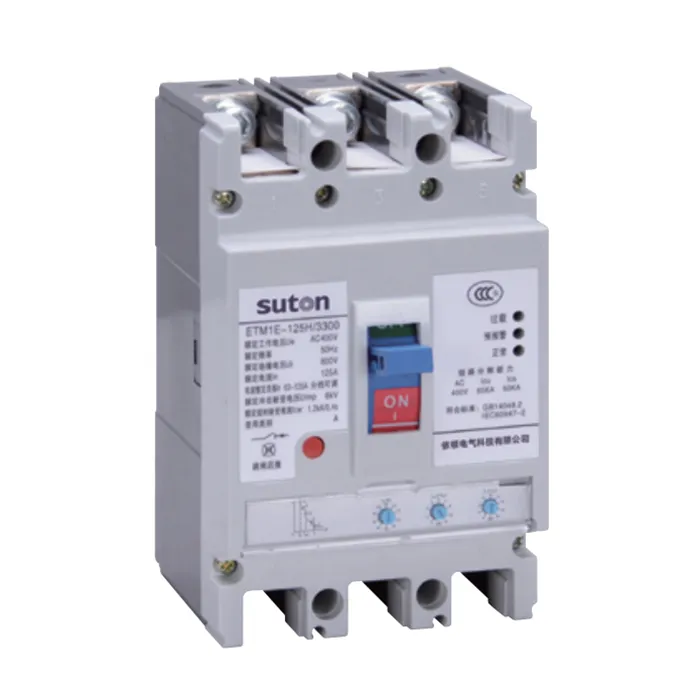
List the parameters the owner or facility team must see at handover — not every parameter the supplier’s brochure mentions.
| Monitoring need | Typical panel-builder question | RFQ detail to capture |
|---|---|---|
| Load current and energy | Billing, capacity, or load-shed review | Which phases, interval, and accuracy class |
| Breaker status / trip history | Maintenance and nuisance-trip analysis | Event log depth and time sync |
| Temperature or health indicator | Predictive maintenance programs | Sensor location and alarm thresholds |
| Position feedback | Interlocks with generators or transfer schemes | Active vs passive signal definition |
Measurement-rich MCCBs such as the ETM3E intelligent measurement MCCB belong in a different conversation from remote-operated IoT frames. Match the product route to the documented monitoring scope, not to the word “smart” in the tender text.
Part 4. Set the communication and control boundary
Connected breakers introduce terminals, auxiliary power, gateways, and sometimes remote open/close paths. Document them as assembly interfaces, not as afterthought accessories.
| Interface element | Why panel builders record it | Hold point |
|---|---|---|
| Auxiliary supply (e.g. control power voltage) | Wrong supply prevents reliable feedback | Confirm from datasheet for exact frame |
| Hardwired signal ports | Fixes PLC/BMS/meter wiring and cabinet space | Name active vs passive modes |
| Wireless or gateway path | Fixes enclosure penetration and IT policy | Owner may reject cloud dependency |
| Remote open/close permission | Safety and maintenance lockout | Requires project control narrative |
Public documentation for the ETM6E Series IoT MCCB describes signal ports, maintenance lock, and remote operation modes on the product page. Treat those statements as starting points only — confirm the exact frame, voltage, signal timing, and any payment-linked logic against the current datasheet and the approved control sequence before energization.
Do not specify remote control in a safety-critical or legally interlocked circuit without explicit owner approval and a documented lockout/tagout path.
Part 5. Hold protection duty and assembly verification
Under IEC 60947-2, the breaker still must interrupt prospective fault current, carry load current, and coordinate with upstream and downstream devices. Connected features do not reduce the need for In, Icu, trip unit settings, and selectivity evidence.
Under IEC 61439-1, the finished assembly — busbar, enclosure, internal wiring, and device mounting — must remain within the verified construction path. Swapping a standard MCCB for a smart frame can change depth, terminal layout, auxiliary wiring, and heat dissipation even when the amp rating matches.
| Verification item | Protective focus (60947-2) | Assembly focus (61439-1) |
|---|---|---|
| Fault level at device location | minimum Icu/Ics | busbar and connection withstand |
| Trip settings and curves | overload and short-time limits | access to adjustments and records |
| Connected accessories | auxiliary duty ratings | wireway, segregation, creepage |
| Nameplate and instructions | device marking | assembly instruction compliance |
If fault duty, trip settings, or internal separation are unresolved, hold the smart feature discussion until the base MCCB selection is documented.
Part 6. Route an evidence-based SUTON inquiry
Send with the inquiry:
| RFQ input | Why it matters |
|---|---|
| Single-line position and load schedule | fixes feeder vs branch scope |
| Voltage, In, poles and minimum Icu | fixes MCCB frame |
| Monitoring parameters and reporting interval | fixes measurement vs remote-control route |
| Signal list or protocol requirement | fixes terminal and gateway planning |
| Control narrative, lockout and maintenance rules | fixes whether remote operation is acceptable |
| Enclosure environment, entries and quantities | fixes physical and procurement scope |
Fit Boundary: this guide organizes smart circuit breaker RFQ inputs for panel builders. It does not approve remote switching without a project control narrative, does not certify assembly compatibility from marketing screenshots, and cannot finalize a connected route where fault duty, trip settings, or communication security requirements are missing. Escalate those gaps to the design authority before the package is priced.
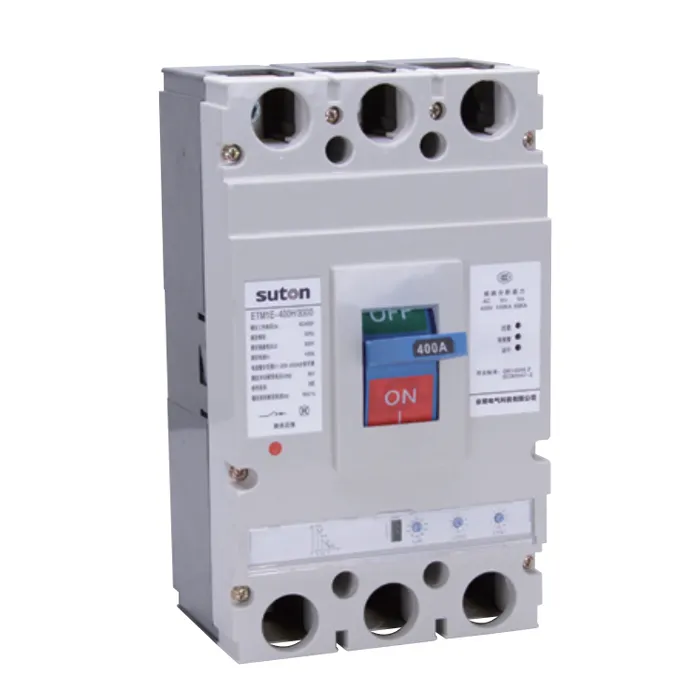
For IoT-enabled molded-case work, start at SUTON molded case circuit breakers and narrow to the ETM6E Series IoT MCCB when the RFQ includes hardwired signal control and remote operation review — subject to datasheet confirmation for the exact frame. Send the Part 1 table, single-line excerpt, and signal list through Contact SUTON for a qualified route review.
Connected protection specification record
Treat the monitoring scope, signal wiring diagram, trip settings record, communication point list, and revision history as one handover package alongside the assembly dossier. Facilities that inherit only a mobile app login tend to lose traceability when staff change or when a trip event needs forensic review against the original RFQ.
After any remote operation or unexplained trip, record breaker state, configured settings, connected load, signal history, and recent switching activity before reset. Patterns across those records often separate a communication fault from a protection or coordination issue the original specification did not capture.
When connected features are added to an existing feeder, revise the single-line diagram, terminal schedule, and owner point list before re-energizing. A new gateway or signal mode can alter wireway fill and maintenance access even when In appears unchanged.
FAQ
What is a smart circuit breaker in an LV panel?
It is a protective device — typically an MCCB or modular breaker class — with defined measurement, status, or control interfaces added under documented limits.
How is a smart circuit breaker different from a standard MCCB?
The protective frame still clears faults under IEC 60947-2; the difference is the specified monitoring scope, communication boundary, and any approved remote interface — not the word “smart” alone.
What monitoring data should panel builders specify?
Specify which parameters the owner needs (current, energy, status, alarms), reporting interval, accuracy expectations, and which phases or feeders are in scope.
Can a smart breaker replace protection engineering?
No. In, Icu, trip settings, selectivity, and assembly verification remain mandatory; connected features sit on top of that duty.
What communication inputs belong in an RFQ?
List auxiliary supply, hardwired signal definitions, gateway or protocol needs, cabinet space, and whether remote open/close is permitted under the project’s lockout plan.
What should a smart circuit breaker RFQ include?
Include panel position, voltage, In, minimum Icu, monitoring scope, signal or protocol list, control narrative, environment, standards, and quantities — as in the Part 1 and Part 6 tables.