


A ground fault circuit breaker request is a protective-function question — not a catalogue keyword. Panel builders use the phrase when a drawing, inspection note, or replacement job asks for leakage or ground-fault protection without naming the device family, marking, or test method.
Start with the approved single-line diagram and circuit schedule. Resolve the requested protective outcome, record the actual device marking, and keep residual-current protection distinct from ordinary overcurrent interruption before any quotation is compared.
Important: This guide structures ground-fault breaker selection for low-voltage distribution panels in line with assembly integration practice in IEC 61439-1 and residual-device product scope in IEC 61008-1. It cannot approve a device marking, sensitivity, or coordination result where earthing arrangement, load data, fault duty, or applicable rules are missing — hold those inputs for engineering review before procurement.
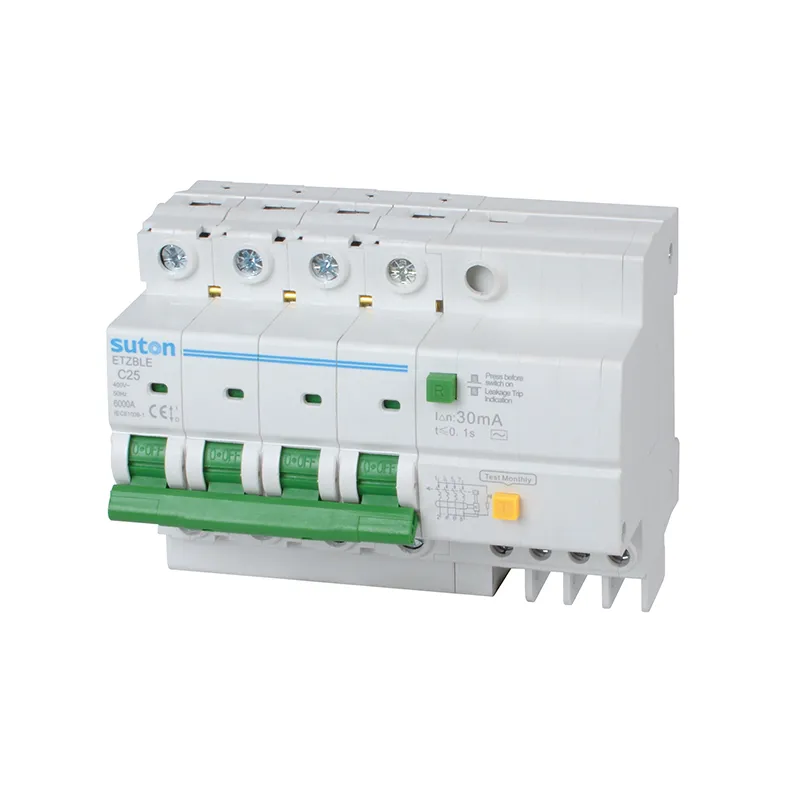
Part 1. Turn a ground-fault breaker request into documented panel inputs
Ask “which ground fault circuit breaker for this circuit?” and you are really asking for a controlled input set. The phrase is used in different markets for a protective-device outcome rather than one universal product construction. The approved drawing and applicable installation rules must show whether the request concerns residual-current protection, a coordinated ground-fault function, or another defined protective scheme.
| Selection factor | Why it matters for the panel | Send with quote |
|---|---|---|
| Requested protective function and project terminology | fixes what the buyer actually needs | yes |
| Device marking and circuit arrangement | fixes family and pole duty | yes |
| Supply and earthing arrangement | fixes application conditions | yes |
| Rated current, poles, and neutral routing | fixes physical and electrical duty | yes |
| Overcurrent protection reference for RCCB arrangements | separates residual from overload duty | yes |
| Prospective fault current and coordination data | supports combination rating review | when applicable |
| Required test method and commissioning scope | fixes handover evidence | yes |
| Standards requested and quantity | fixes approval and procurement batch | yes |
Projects that skip the table often receive quotations built on a familiar search term alone. That produces a second procurement cycle once marking, coordination, or test access is challenged on site.
Part 2. Separate ground-fault intent from ELCB terminology and other protective functions
The existing ELCB guide remains the live article for ELCB terminology and its specific functional discussion. This ground fault circuit breaker guide does not duplicate or relabel that page. Instead, it asks the panel builder to resolve the buyer’s requested protective outcome and keep each defined function visible in the protection matrix.
| Protective function | Primary role in the panel | Planning consequence |
|---|---|---|
| RCCB | Residual-current protection | Needs separate overcurrent protection |
| RCBO | Residual-current plus overcurrent on one circuit | Fixes final-circuit duty in one device |
| MCB / MCCB | Overcurrent and short-circuit protection | Does not detect residual current by itself |
| ELCB terminology | Separate live article scope | Do not treat as automatic equivalent |
Device-level residual-current selection steps live in the residual current circuit breaker guide. This article owns request resolution, role separation, and RFQ inputs — not a repeat of those device guides.
Part 3. Record system and circuit inputs before specification

Capture the supply arrangement, earthing arrangement, circuit purpose, nominal voltage, rated current, poles, neutral routing, connected loads, and the required protective behavior. Record whether the device protects an individual circuit or a group, because that changes neutral handling, isolation, labels, and test access.
Include the prospective fault current and upstream arrangement where the device documentation or project study requires coordination. If the system details are incomplete, preserve the uncertainty in the RFQ rather than converting it into an unsupported device requirement.
Reserve module positions, terminal orientation, bending space, and test-button access from the schematic before the enclosure layout is frozen. A protective device that clears a rating check but lacks wiring access, test control, or label space often fails the commissioning review.
Part 4. Review RCCB, RCBO, and MCB role boundaries
An RCCB provides residual-current protection and generally needs separate overcurrent protection. An RCBO combines residual-current and overcurrent functions for its designated circuit. An MCB provides overload and short-circuit protection but does not detect residual current.
These definitions do not settle every project requirement; they show why a ground-fault request cannot be fulfilled by selecting any device called a breaker. Confirm the specified function and the marked characteristics before finalizing the bill of materials.
Where multiple residual devices operate in series, confirm sensitivity steps and manufacturer pairing data so a group device does not clear the zone before a final-circuit unit. Coordination evidence belongs in the panel dossier next to the fault study, because commissioning tests and later service calls will both interrogate it.
Part 5. Verify installation and testing against the drawing
Follow the approved wiring diagram, manufacturer instructions, and authorized test procedure. Verify line and neutral routing, poles, terminal torque, circuit identification, test-button access where provided, and the installed marking.
Record the commissioned device and outcome in the panel dossier. An unexpected operation should be investigated with the connected-load and wiring condition captured first. Raising a setting, changing sensitivity, or bypassing a device without diagnosis is not a corrective procedure and can undermine the documented protection intent.
Before handover, reconcile the installed assembly with the approved design. Include the circuit schedule, device schedule, wiring diagram, installation instructions, inspection outcomes, and test evidence in the project file.
Part 6. Route an evidence-based SUTON inquiry
Send with the inquiry:
| RFQ input | Why it matters |
|---|---|
| Requested protective function and project terminology | fixes what must be quoted |
| Device marking target and circuit arrangement | fixes family and pole duty |
| Rated current, poles, voltage, and earthing system | fixes application conditions |
| Overcurrent arrangement and coordination data | fixes combination ratings |
| Mounting interface, standards, and test expectations | fixes assembly and commissioning scope |
| Quantities and accessories | fixes procurement batch |
Require suppliers to declare the exact offered marking, installation instructions, accessories, and exceptions against the controlled documents. Hold the engineering decision when the protective intent or circuit information is incomplete — a quotation against an undefined function cannot preserve the design intent.
Fit Boundary: this guide is suitable when the circuit and protective intent can be documented. It is not sufficient to decide protection where earthing, device marking, load behavior, fault duty, or applicable installation requirements are unknown. Escalate those gaps to the design authority before the package is priced.
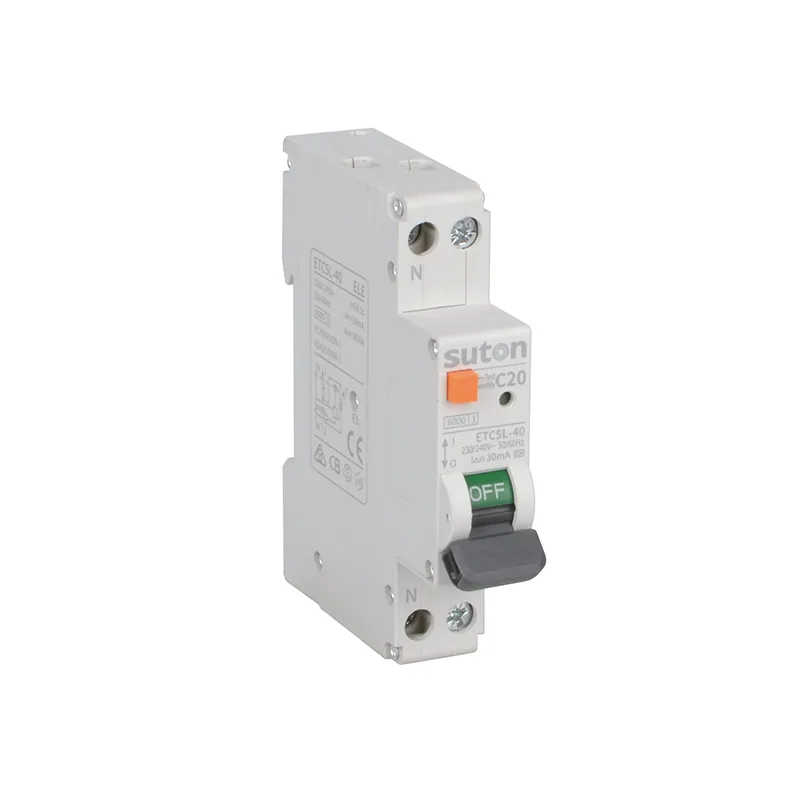
SUTON’s modular DIN rail products provide a public route for modular protection categories. The DZ47LE miniature circuit breaker can support a category discussion, but this guide does not claim its exact residual-current or ground-fault characteristics for an unspecified application.
Send the circuit schedule, protection requirement, earthing data, device markings, and quantity through Contact SUTON for confirmation. Hold every supplier quotation to the same RFQ table and archive the approved device schedule with the panel dossier.
Panel dossier and service discipline
Treat the protective-function worksheet, circuit schedule, coordination references, test records, and revision history as one handover package. Facilities that inherit the dossier can maintain and expand the branch with traceability; facilities that inherit only a device label tend to rebuild the review from scratch at the first trip event.
When circuits are added or rearranged, revise the protective-function worksheet and schedule before re-energizing. An added circuit, changed load technology, or swapped branch device alters coordination and commissioning scope even when nominal ratings appear unchanged.
After any unexplained operation, log the circuit identity, connected loads, and switching context before reset. Patterns across records often distinguish a wiring issue from a load condition the original specification did not capture.
FAQ
What does ground fault circuit breaker mean?
It is a buyer term that must be resolved into a documented protective function, device marking, and project test requirement.
How is this guide different from the live ELCB page?
The ELCB page covers ELCB terminology; this guide focuses on resolving a ground-fault breaker request for documented panel selection.
Which system and circuit inputs are required?
Provide supply and earthing arrangement, circuit duty, poles, neutral routing, load details, fault data, and required protective behavior.
How do RCCB, RCBO, and MCB functions differ?
An RCCB supplies residual-current protection, an RCBO combines residual-current and overcurrent functions, and an MCB supplies overcurrent protection only.
What installation and test checks matter?
Verify wiring, marking, terminals, access, labels, and the authorized test procedure against the approved documentation.
What belongs in a ground fault circuit breaker RFQ?
Include the protective function, settings where specified, circuit data, poles, voltage, coordination, interface, standards, testing, and quantity.