


Smart panels combine a low-voltage distribution assembly with defined measurement, communication and control functions. For a panel builder, the practical first step is not choosing a dashboard: it is drawing the boundary between protective devices, measurement points, data users and the party who accepts the completed system.
That distinction keeps the scope workable. A smart breaker can be one component inside a smart panel, while a panel may also include meters, gateways, controls and documentation that belong to different suppliers or project teams.
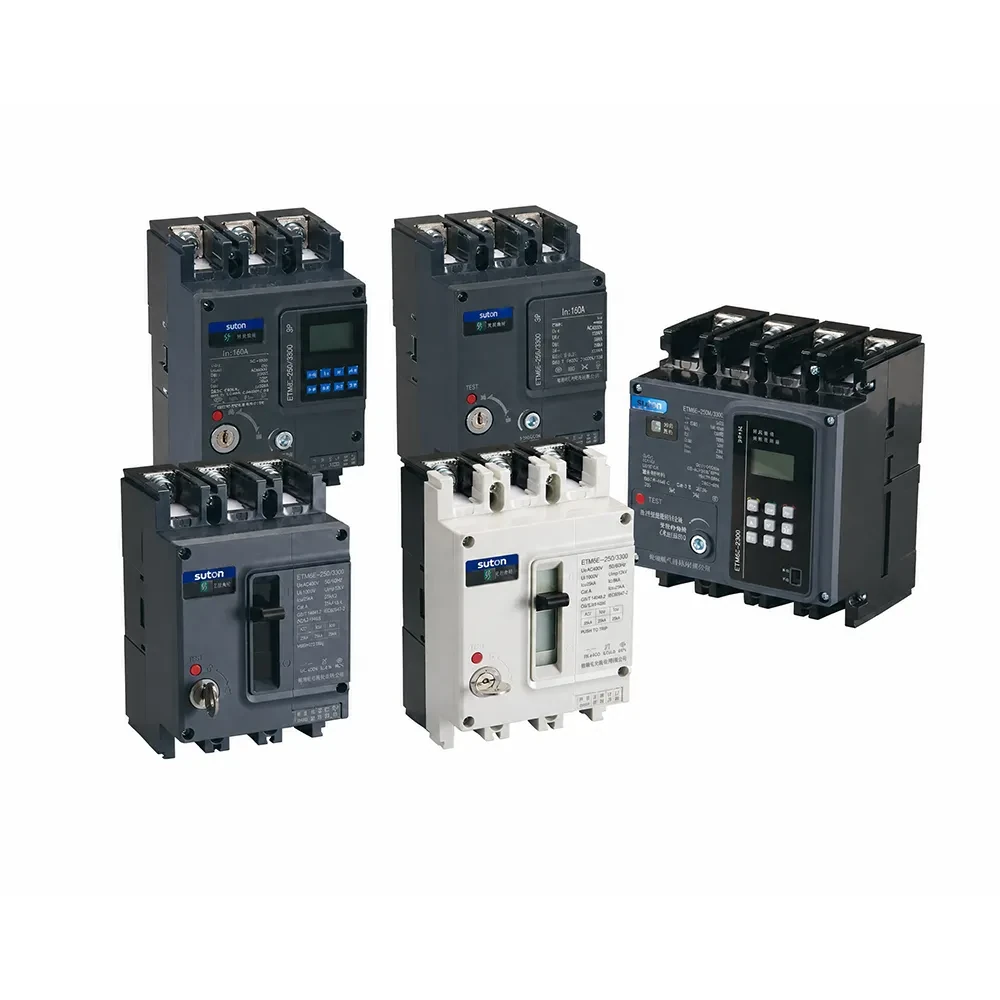
Part 1. What makes a panel smart rather than merely connected?
A connected panel has a communications element. A smart panel has a defined operating purpose for the data and control signals it exposes. That purpose might be energy visibility, alarm escalation, maintenance planning, controlled load management or a combination chosen by the project owner.
The electrical distribution function remains the foundation. Feeders, protective devices, enclosure arrangement and assembly documentation still need to suit the approved design. The additional digital layer should make those decisions easier to observe or operate, not hide them behind a generic “smart” label.
Part 2. Which functional layers need to be defined?
The most useful scope documents separate the assembly into layers. This makes it clear whether a requested feature belongs to a protective device, a meter, a gateway, a controller or the supervisory system.
| Layer | Main decision | Typical question for the project team |
|---|---|---|
| Distribution | Circuits, incomer and feeder arrangement | Which loads and circuits belong in this assembly? |
| Protection | Device roles and coordination | Which faults must each protective device address? |
| Measurement | Points, quantities and reporting interval | Which readings support an operating decision? |
| Communication | Data path and system owner | Where does the panel hand data to the site system? |
| Control | Permitted command functions and safeguards | Which commands are allowed, and who authorizes them? |
This layer model follows the public engineering view that smart panels can add measurement, control and communication capabilities to an electrical assembly. It does not imply that every project needs every layer or that all functions come from one device.
Part 3. Where does the protection boundary remain?
Protection coordination is still an electrical-engineering decision. A screen can show status or alarms, but it cannot establish short-circuit protection, residual-current protection, selectivity or isolation requirements by itself. Those choices remain subject to the approved design, applicable local rules and the device data used for the assembly.
Important: Do not treat remote visibility as proof that an installation is protected or coordinated. The responsible design authority must confirm device duties, settings, conductor protection and test requirements for the actual project. Source: IEC 61439-1.
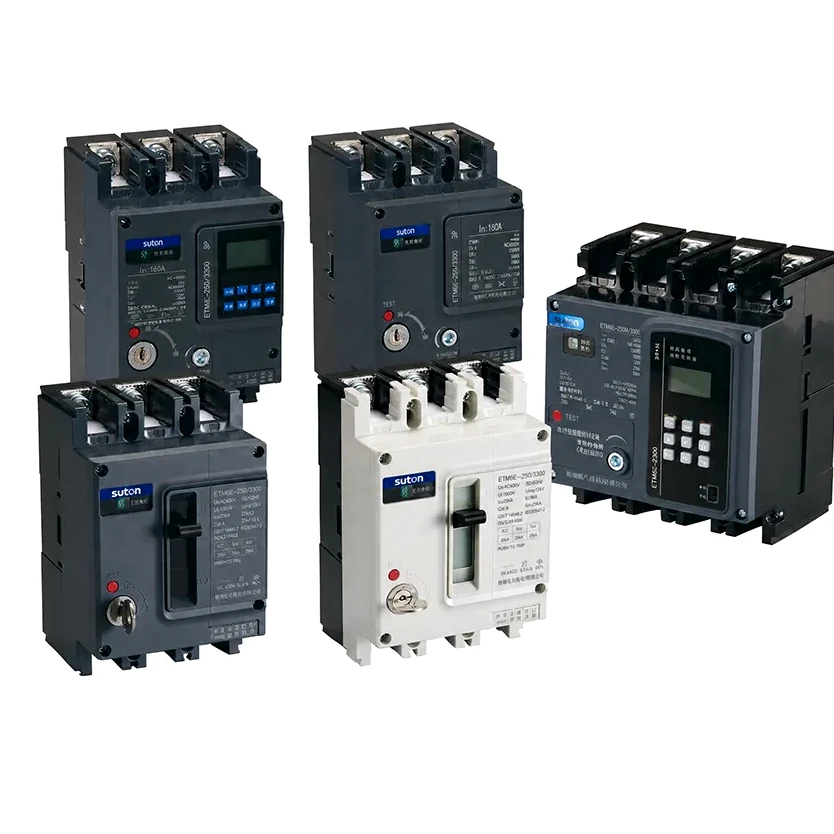
For this reason, a smart-panel RFQ should state which protective functions are already specified and which remain for engineering confirmation. It also prevents a commercial discussion about monitoring from accidentally becoming an unsupported compliance promise.
Part 4. Which monitoring questions create useful data?
Data has value when a named user can act on it. Before selecting meters or connected protective devices, ask which operating question the panel should answer. Examples include identifying an abnormal load pattern, confirming that a feeder is energized, reviewing an alarm history or allocating consumption to a defined area.
Specify the measurement point with the decision it supports. A requirement such as “energy monitoring” is incomplete until the buyer identifies the circuits, reporting destination, desired update behavior and the person who receives exceptions. This avoids a large data set that does not help operations or maintenance.
Part 5. Who owns communications and commissioning?
Communications scope often crosses company boundaries. The panel builder may provide terminals or a gateway, an integrator may configure the higher-level system, and the end user may define account access and alarm recipients. Naming those handoffs in the RFQ is more useful than assuming a particular protocol or cloud service.
Commissioning should likewise be divided into observable checks. The electrical team can verify the assembly and protection functions within its responsibility; the controls or integration team can confirm that required points arrive at the agreed destination and that permitted commands behave as designed.
Part 6. Which architecture fits the intended operating decision?
The architecture should follow the decision, not the other way around. The table below helps buyers describe the difference between a basic monitored panel and a panel that will exchange information with a wider operating system.
| Architecture direction | Suitable decision need | Boundary to confirm | Buyer should provide |
|---|---|---|---|
| Distribution with local indication | Local operating awareness | Whether indication is sufficient without historical data | Single-line diagram, circuits requiring indication, enclosure constraints |
| Metered distribution assembly | Energy or load review by area | Measurement locations and reporting ownership | Metering points, reporting purpose, existing site system details |
| Connected panel with defined data handoff | Integration with a supervisory platform | Interface owner, point list and acceptance method | Point list, handoff location, communication responsibility and commissioning sequence |
| Controlled distribution function | Approved operational commands | Command authority, interlocks and fail-safe behavior | Command list, access roles, interlock requirements and design authority approval |
Fit boundary: this guide helps define an assembly-level scope. It is not a substitute for a protection study, local installation design, cybersecurity policy or an approved controls narrative.
Part 7. When should a buyer review a SUTON product route?
Once the panel boundary is clear, buyers can review relevant product routes without assuming that one item supplies the entire architecture. Start with SUTON’s molded case circuit breaker category for the broader product family, then compare the smart circuit breaker guide when the question is specifically device-level functionality.
SUTON also publishes an ETM6E Series IoT Molded Case Circuit Breaker product route. Confirm the applicable data sheet, project electrical design and interface requirements before treating any model as a fit for a particular panel.
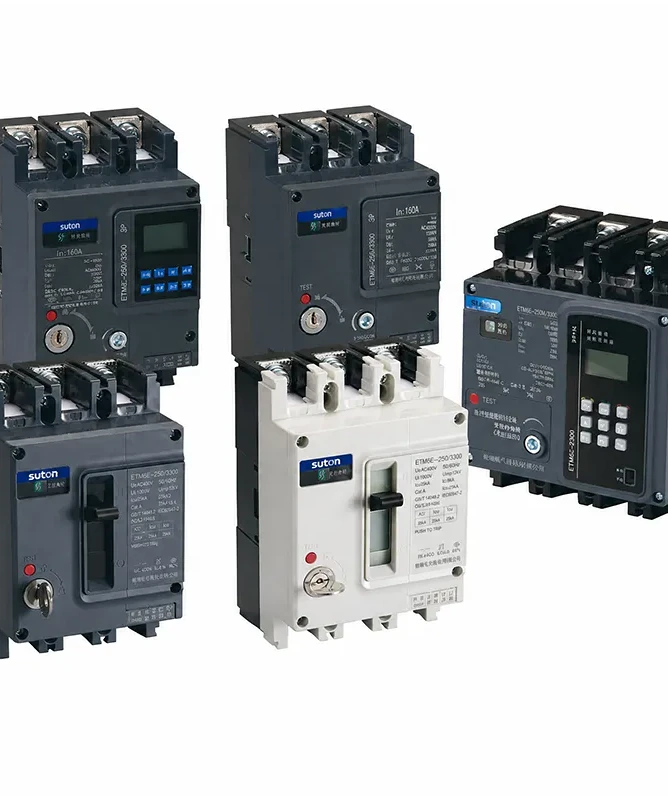
For an RFQ discussion, contact SUTON with the single-line diagram, circuit list, operating objective, required measurement points and the party responsible for the external interface.
FAQs
What is a smart panel?
A smart panel is a distribution assembly with defined measurement, communication or control functions in addition to its electrical distribution role. The actual feature set depends on the project scope.
Is a smart circuit breaker the same as a smart panel?
No. A smart circuit breaker is a device-level topic, while a smart panel describes the wider assembly, its circuits, measurement strategy, interfaces and acceptance responsibilities.
Can monitoring replace protection coordination?
No. Monitoring can make electrical conditions more visible, but the protection scheme still needs to be designed and verified for the installation by the responsible engineering authority.
What should a smart panel monitor?
It should monitor points tied to a specific operating, maintenance or energy-management decision. The buyer should define the circuit, data user, reporting destination and action expected from an alarm or trend.
Who should configure the communications interface?
The RFQ should identify the party that supplies the panel interface, the party that configures the receiving system and the party that accepts the point list during commissioning.
What belongs in a smart-panel RFQ?
Include the single-line diagram, circuit list, operating purpose, measurement points, required data handoff, permitted commands, responsibility split and the commissioning acceptance method.