


Plan the consumer unit as one residential board — arrangement, ways, residual layout, and surge decision — then price devices against that plan.
Part 1. What is a consumer unit, and what is it not?
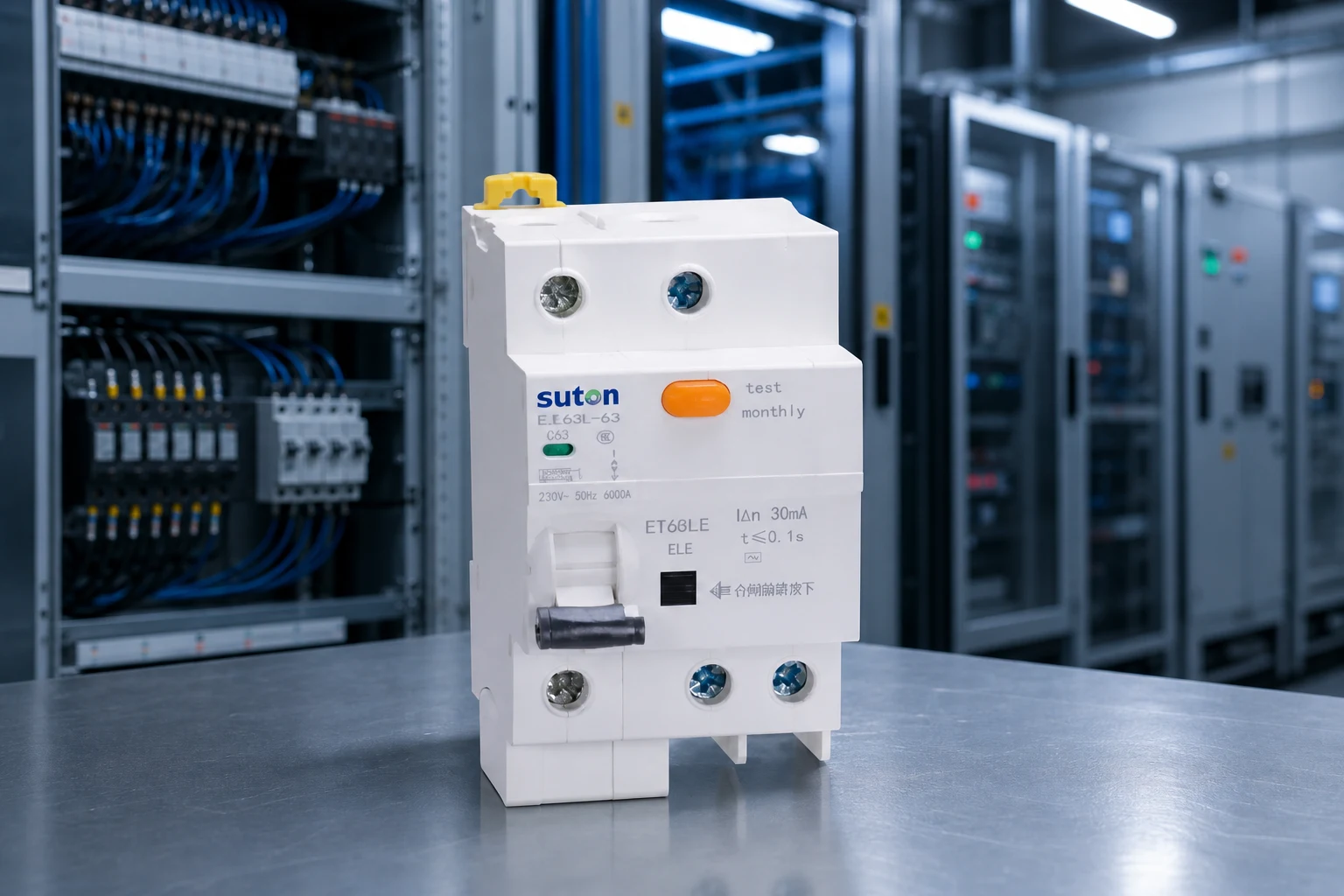
A consumer unit is the residential form of an enclosed LV distribution board: one incoming supply, a main switching device, residual protection, and final-circuit breakers behind one door. The name varies by region, but the planning logic does not. It is not a loose parts list — the value sits in the arrangement. Device-level questions for the circuits inside are covered in the home circuit breaker guide, and generic board sizing lives in the distribution board sizing guide.
Part 2. Which arrangement patterns exist?
Arrangement decides how a fault behaves for the resident, so compare patterns before brands.
| Arrangement pattern | Behavior on a residual trip | Planning notes |
|---|---|---|
| Main switch + per-circuit RCBOs | only the faulty circuit drops | more devices, simplest fault-finding |
| Split-load with grouped RCDs | the affected group drops | fewer devices, group planning needed |
| Mixed pattern (RCBOs on critical circuits) | critical circuits isolated from group trips | common compromise |
| Main residual incomer arrangements | wider outage on a trip | acceptability depends on local rules |
Which pattern is acceptable for a given dwelling is a local-rules and design-authority decision. Record the rule reference with the chosen pattern instead of copying a previous project.
Part 3. How are ways and spare space planned?
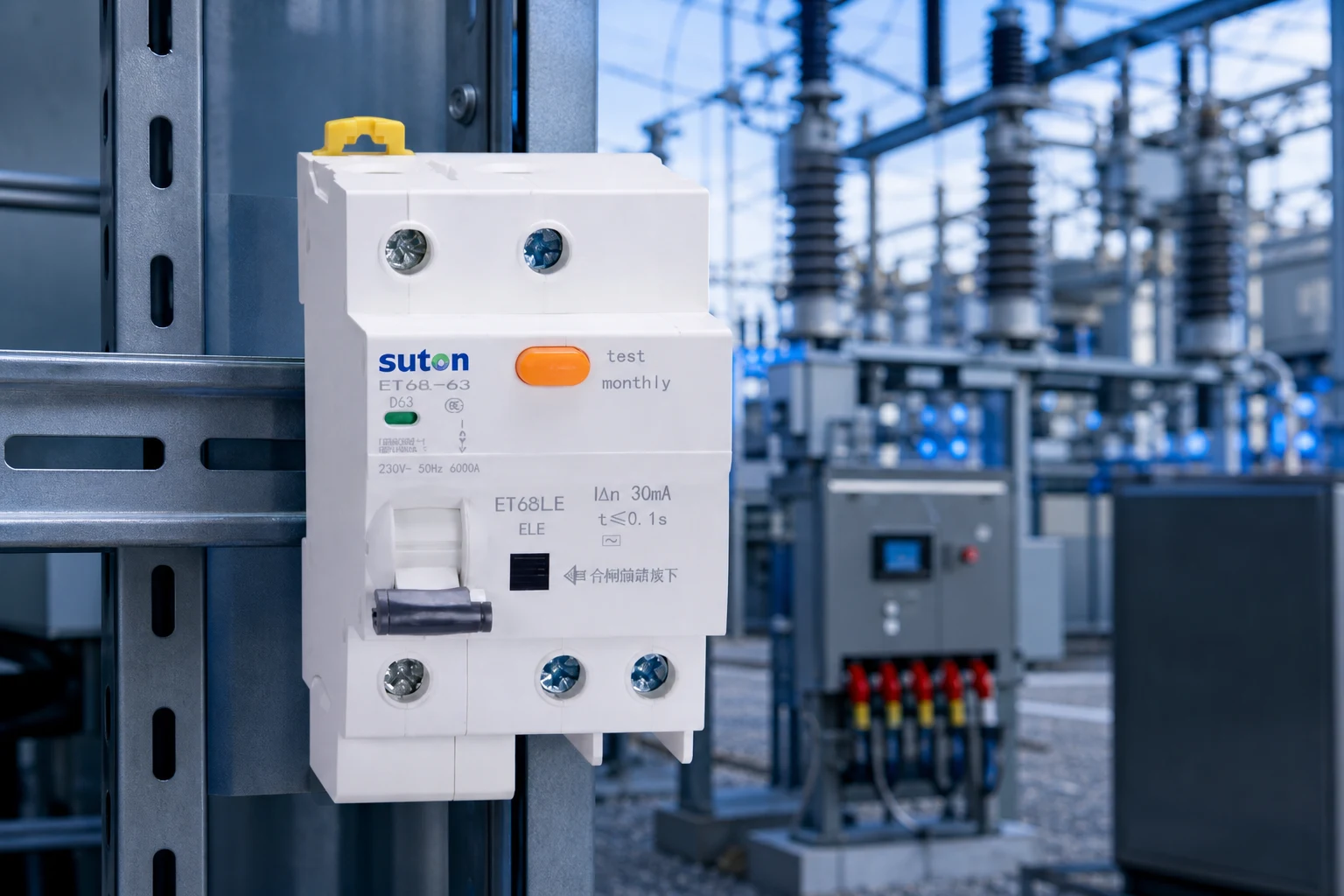
List every final circuit from the dwelling schedule — lighting, sockets, kitchen and laundry appliances, water heating, space conditioning, EV charging, and any outbuilding feed. Assign ways per device, remembering that residual and multi-pole devices consume extra positions.
Then add spare capacity deliberately. Housing stock gains circuits over its life, and a board with no spare ways forces either a second enclosure or an unsafe workaround. State the spare percentage in the order so the vendor sizes the enclosure, busbar, and cover blanks accordingly.
Part 4. How do the main switch and residual devices divide roles?
One device isolates, others protect. The main switch provides whole-board switching and isolation for maintenance; residual devices provide leakage protection per circuit or per group; final-circuit breakers clear overloads and short circuits. Collapsing those roles into one shopping line is how boards end up unable to isolate safely or unable to discriminate a fault.
Keep the neutral arrangement visible in the plan. Grouped residual arrangements route neutrals per group, and a crossed neutral between groups is a classic commissioning failure that a clear drawing prevents.
Part 5. Where do surge protection and special circuits fit?
Surge protective devices increasingly live inside residential boards. Whether one is required, and of what class, is a risk-assessment and local-rules decision that belongs in the project file — treat vendor bundles as a prompt for that assessment, not a substitute.
Special circuits deserve early flags: EV charging, solar feed-in, and outbuilding supplies each bring their own protection and metering questions. Deciding them at board-planning time keeps ways, labeling, and residual grouping coherent instead of retrofitted.
Part 6. What belongs in the RFQ and Fit Boundary?
A housing-project inquiry works best as one controlled package per unit type.
| RFQ field | Why it matters |
|---|---|
| Dwelling circuit schedule per unit type | fixes ways and device mix |
| Arrangement pattern with rule reference | fixes board behavior |
| Main switch rating and isolation needs | fixes incomer scope |
| Residual sensitivities and grouping | fixes protection plan |
| SPD decision and class | fixes surge scope |
| Enclosure constraints (location, IP, flush/surface) | fixes physical selection |
| Standards, verification evidence, quantities | fixes compliance and volume |
Fit Boundary: this guide plans residential boards for procurement. It does not decide which arrangement a jurisdiction mandates, does not size conductors, and cannot finalize sensitivities without the dwelling schedule and rule references. Multi-dwelling developers should close those inputs with the design authority before volume pricing.
Part 7. Where can SUTON product routes fit?
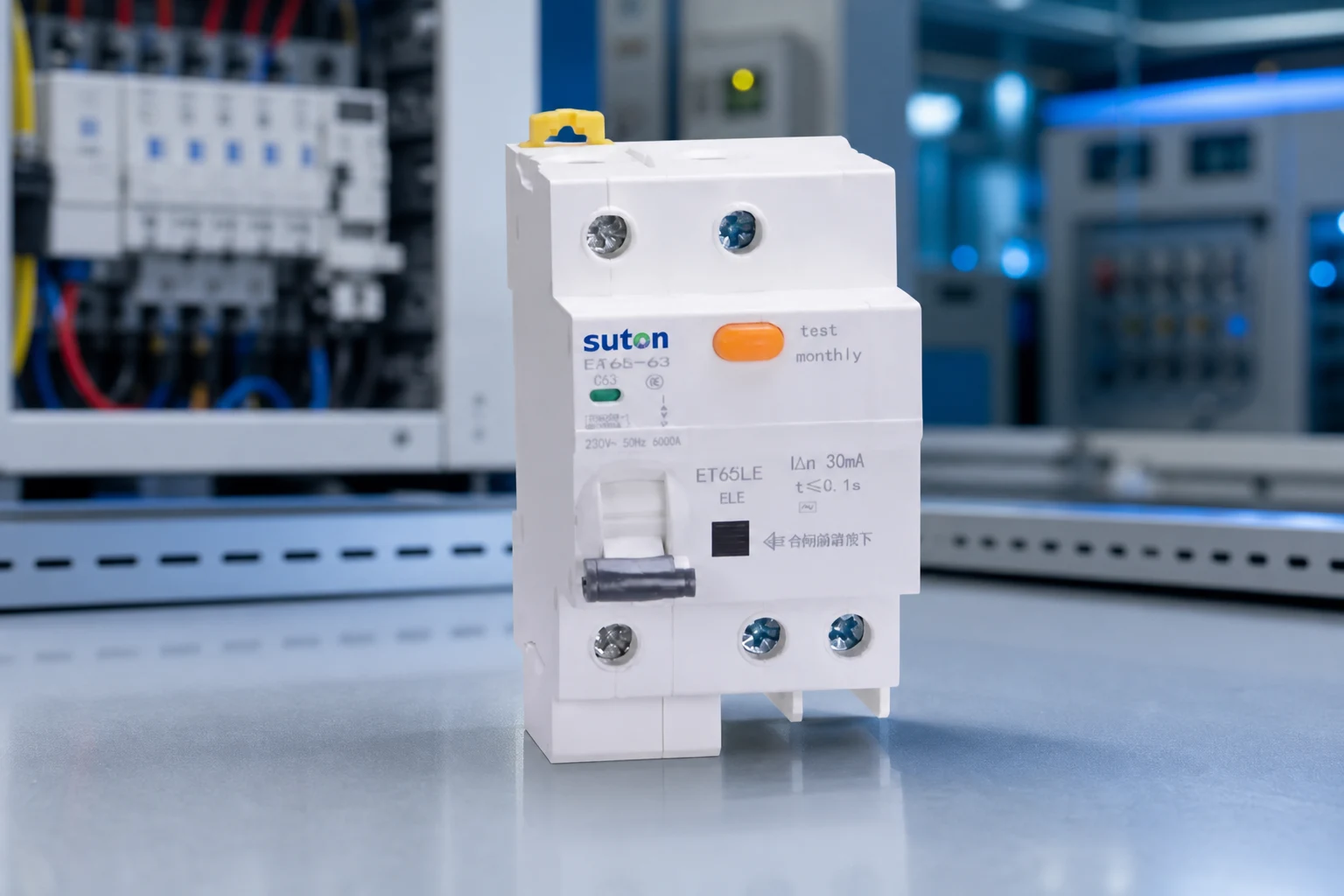
For a product recommendation starting point when populating an approved plan, review SUTON’s modular DIN rail products: the DZ47LE series miniature circuit breaker route covers residual-plus-overcurrent candidates, and the ETU1 series surge protective device route covers the SPD slot. These are category routes: sensitivities, classes, and certifications are model-specific and need datasheet confirmation. Send the dwelling schedule through Contact SUTON for a documented configuration review.
Volume procurement notes for housing projects
Standardize per unit type, not per dwelling. One approved board configuration per apartment or house type keeps commissioning repeatable, spares interchangeable, and inspection records comparable across the estate. Deviations then become documented exceptions rather than silent variety.
Ask vendors to quote the populated board and the parts list separately. The split exposes assembly and verification scope, makes warranty ownership clear, and lets the project compare a factory-populated offer against site population under identical device lists.
Keep one revision-controlled schedule per unit type through the build. Kitchen upgrades, added charging points, and late metering changes all move ways and residual grouping; a dated schedule revision tells every later trade which board version a dwelling actually contains.
Plan handover documents at order time rather than at completion. Each dwelling should receive its circuit chart, test record, and device instructions, and the estate file should hold the approved configuration per unit type. Inspections years later then start from evidence instead of from guesswork inside a crowded enclosure.
FAQ
What is a consumer unit?
It is the residential enclosed distribution board: one supply, a main switch, residual protection, and final-circuit breakers planned as a single arrangement.
How is a consumer unit different from a distribution board?
Consumer unit names the residential complete board; distribution board is the wider category covering commercial and industrial layouts as well.
How many ways should a consumer unit have?
Count ways from the dwelling circuit schedule including multi-pole and residual devices, then add a documented spare percentage for future circuits.
How are RCDs arranged in a consumer unit?
Common patterns are per-circuit RCBOs, split-load groups, or a mix; acceptability and sensitivities follow local rules and the design authority.
Does a consumer unit need surge protection?
That is a risk-assessment and local-rules decision; record the assessment outcome and the selected class in the project file.
What data belongs in a consumer unit RFQ?
Provide the circuit schedule per unit type, arrangement pattern, main switch rating, residual plan, SPD decision, enclosure constraints, standards, and quantities.