


A circuit breaker switch is the manual operating mechanism that moves contacts between on, off and tripped positions—while a separate load-break switch or switch-disconnector may handle isolation duty without providing full overcurrent protection on its own. Panel builders must match the device class to the single-line function before quoting a handle-operated module.
Read the circuit breaker operating guide for trip behavior and the main switch selection guide for incomer isolation context.
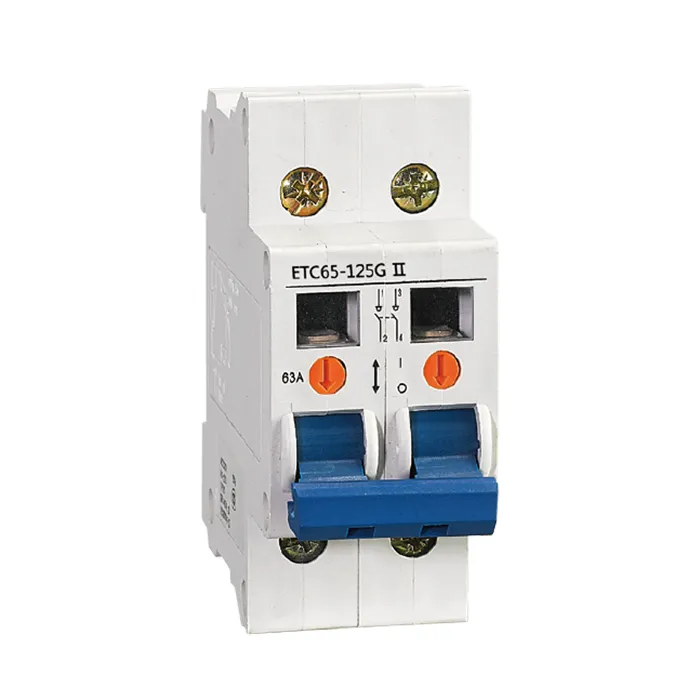
Part 1. What do buyers mean by circuit breaker switch?
Search language mixes three ideas:
| Buyer phrase | Usually means | Engineering check |
|---|---|---|
| Circuit breaker switch | Handle operation of a protective breaker | Verify utilization category and switching frequency |
| Switch-disconnector | Isolation with visible break | IEC 60947-3 duty; may need backup protection |
| Load-break switch | Switching rated load under load | Not the same as a spare MCB handle for daily on/off |
The circuit breaker types map shows where protective breakers sit in the hierarchy. This article focuses on switching duty and handle semantics—not on choosing In or Icu.
Part 2. What do ON, OFF and TRIP handle positions indicate?
Standard molded-case and modular breakers use a three-state handle:
| Position | Meaning | Operator action |
|---|---|---|
| ON | Contacts closed, normal service | None if load is healthy |
| OFF | Contacts open under manual control | Used for planned isolation |
| TRIP (middle) | Automatic opening after fault | Investigate before reset |
A circuit breaker switch in the OFF position opens contacts without necessarily indicating a fault. TRIP shows the mechanism released after overload, short circuit or a protective function trip.
Qualified personnel should never use the handle to force-closed a breaker that tripped on a known short circuit until the fault is removed.
Some modular devices add auxiliary indicators—trip flags or signal contacts on intelligent frames—so remote monitoring can distinguish manual off from protective trip without opening the enclosure.
Part 3. How is a circuit breaker switch different from a switch-disconnector?
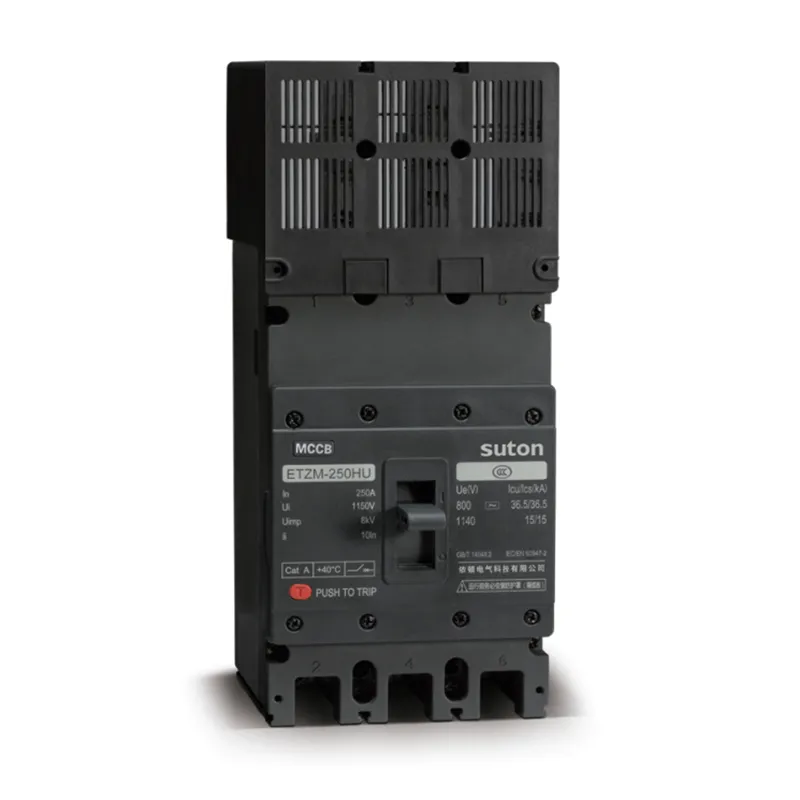
Under IEC 60947-3, switch-disconnectors and load-break switches are switching devices. A circuit breaker under IEC 60947-2 or IEC 60898-1 adds automatic overcurrent tripping.
| Function | Circuit breaker | Switch-disconnector / load-break switch |
|---|---|---|
| Manual on/off | Yes, within rated duty | Yes, primary function |
| Automatic fault opening | Yes | No, unless combined device |
| Visible isolation | Often requires OFF position verification | Often designed for isolation indication |
| Typical panel position | Branch, feeder, incomer protection | Isolation section, motor disconnect, service switch |
Do not substitute a switch-disconnector where calculated short-circuit protection is required unless the assembly design includes coordinated protection.
Part 4. When should you specify a load-break switch?
Load-break switches appear where operators need routine switching or visible isolation without using a protective breaker as a daily switch beyond its rated duty.
Typical applications:
- motor branch disconnect when protection is upstream;
- incoming isolation for maintenance on a sub-panel;
- capacitor or filter banks with separate protection;
- PV string sections requiring DC-rated switching paired with protection.
SUTON examples: ETGL load-break switch and ETGLR fuse switch disconnector. Pair with the correct fuse or upstream breaker per the schematic.
Document the expected switching frequency in the RFQ—manufacturers distinguish occasional maintenance switching from high-cycle motor duty when recommending contact materials and mechanism class.
Part 5. When does marketing “switch” language mean an MCB?
Distributors sometimes label modular MCBs as “switches” because the handle toggles load current. In procurement documents, translate marketing copy into IEC device class:
- MCB / RCBO: overload and short-circuit (and possibly leakage) protection.
- Switch-disconnector (e.g., DZ47-125G): isolation duty on DIN rail; requires coordinated overcurrent protection.
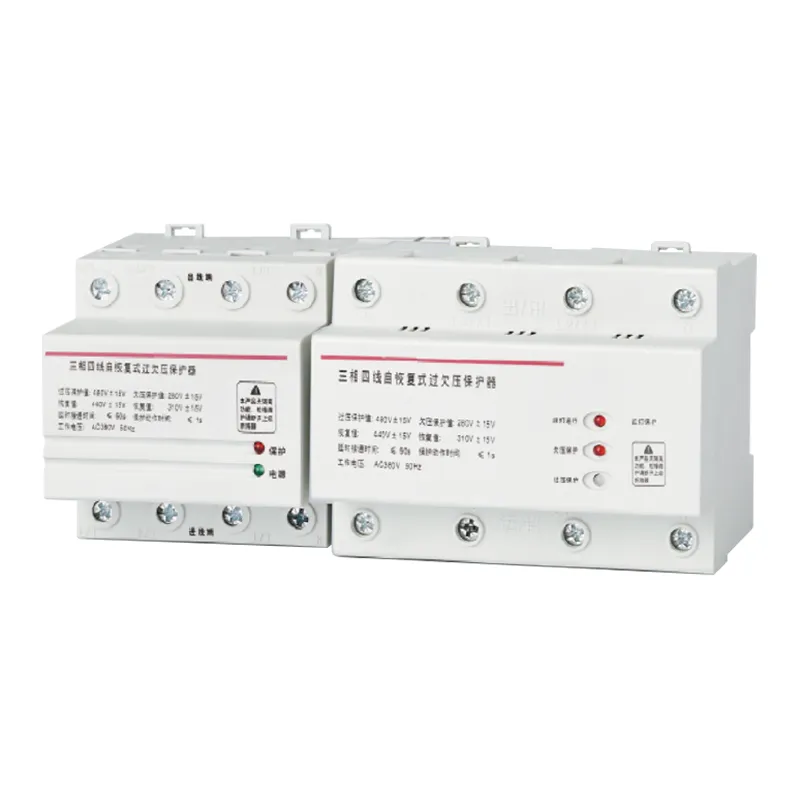
- Voltage protector modules: switch or trip on over/undervoltage—different fault model from thermal-magnetic MCB trips.
Mounting context matters on DIN rail assemblies; device width and pin busbar compatibility follow the class you specify.
When a schematic shows both switching and protection at one point, specify a device rated for coordinated duties—or place a breaker upstream of a switch-disconnector instead of assuming one handle can do everything.
Part 6. How do panel builders document switch duty in RFQs?
Minimum RFQ fields for any circuit breaker switch or switchgear line item:
| Field | Why it matters |
|---|---|
| Single-line position | Incomer, branch, isolation only, or combined duty |
| Rated voltage and current | Switching and thermal limits |
| Utilization category | AC load switching vs isolation only |
| Operating frequency | Daily motor start vs annual maintenance |
| Backup protection | Fuse or breaker providing overcurrent duty |
| Number of poles | Phase, neutral switching requirements |
Fit Boundary
- Suitable when: schematic shows whether the point needs protection, isolation or both.
- Not suitable when: a buyer asks for “a 63 A switch” without stating protection or isolation—hold the line item until duty is defined.
- Confirm before manufacture: padlock provisions, handle extension, door interlock and IP rating.
Add a one-line duty note on the single-line diagram next to each switch symbol—protection only, isolation only, or combined—so shop wiring matches the approved schematic.
Part 7. Which SUTON devices cover common switch duties?
| Duty | SUTON starting page |
|---|---|
| DIN rail switch-disconnector | DZ47-125G miniature switch disconnector |
| Load-break / switch-disconnector | ETGLHGL series |
| Fuse-switch combination | ETGLR series |
| Voltage-based switching/trip adjunct | DZ47-125V1 protector |
| Protective breaker with handle | Modular DIN rail products / Molded case circuit breakers |
Submit voltage, current, duty type, operating frequency, schematic snippet and quantity through Contact SUTON for model confirmation.
FAQ
What is a circuit breaker switch?
The manual operating part of a breaker—or buyer language for handle-operated switching—distinct from automatic trip action.
What do the on, off and trip handle positions mean?
On is closed in service, off is manually open, trip is automatic open after a protective action until reset.
What is the difference between a circuit breaker switch and a load-break switch?
A breaker switch on a protective device includes automatic trip; a load-break switch is primarily for switching/isolation under defined duty.
When should you use a switch-disconnector instead of a circuit breaker?
When the position needs visible isolation or frequent switching without assigning overcurrent protection to that device alone.
Can a circuit breaker switch be used for daily isolation?
Only within the device utilization category and manufacturer switching duty—otherwise specify a dedicated switch or isolator.
What should panel builders document for a circuit breaker switch RFQ?
Position, voltage, current, duty type, poles, operating frequency, backup protection and enclosure requirements.