


Use this 125 amp breaker guide to turn a short request into an engineering review with traceable panel inputs.
Related reading: Circuit Breaker Guide and MCCB Breaker Guide.
Part 1. When is a 125 amp breaker the right conversation?
A 125 amp request often appears on feeders, larger distribution ways or machine supplies. First confirm whether the design calls for a modular high-current MCB family or a molded-case frame, because interface, accessories and fault performance differ.
| Decision input | Why it matters | Send with quote |
|---|---|---|
| Device family | MCB vs MCCB changes interface | Yes |
| Fault study | Sets breaking / Icu/Ics needs | Yes |
| Terminal range | Cable and lug compatibility | Yes |
| Enclosure space | Frame and heat dissipation | Yes |
Important: do not treat 125 A as a family-neutral SKU; fix the product standard and frame before comparing quotes — source: IEC product/assembly selection practice.
Part 2. How should feeder duty and cables be coordinated?
Align load basis, diversity, ambient conditions, conductor calculation and voltage-drop limits with the protective-device rating. Terminal temperature and conductor range on the exact device can become the limiting factor.
Part 3. Which coordination and accessory checks matter?
Review upstream/downstream selectivity, residual-current strategy, shunt-trip or undervoltage accessories if required, and isolation provisions. Accessory kits are model-specific.
Part 4. What installation details change the result?
Busbar systems, cable bending radius, gland plates, heat rise and maintainable clearances affect whether a 125 A device fits the enclosure as drawn.
Part 5. How should commissioning verify the feeder device?
Confirm markings, terminal hardware, torque values, accessory wiring and authorized tests against the released schedule.
Part 6. Where can SUTON product routes fit?
Send with the inquiry: State feeder duty, preferred device family, poles, curve or trip unit needs, fault-study reference, cable/terminal data, enclosure constraints, accessories, standards and quantity. Fit Boundary: this guide structures a 125 amp request; it does not approve MCB versus MCCB without project evidence.
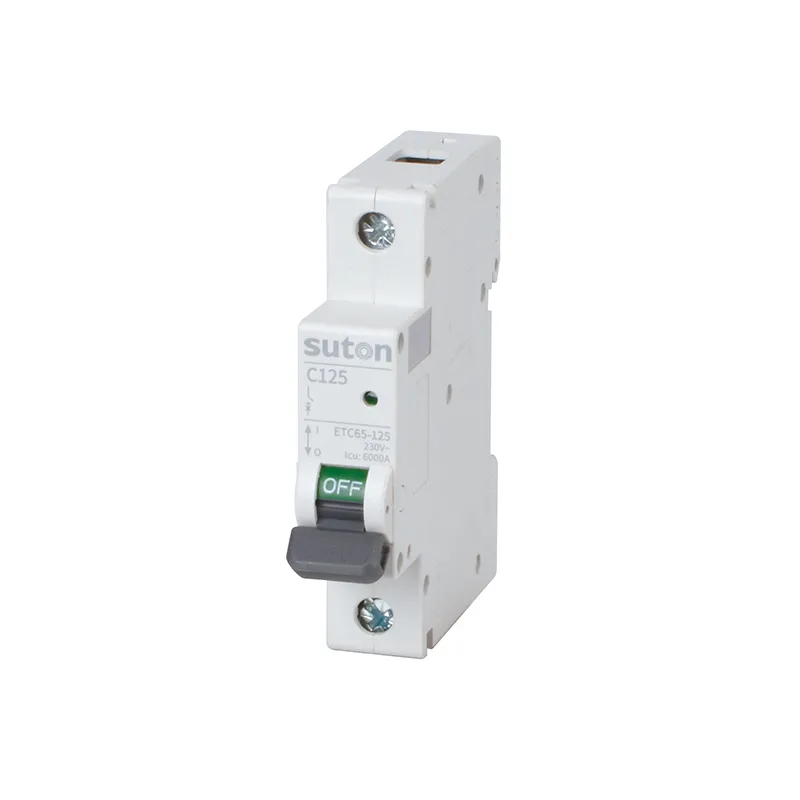
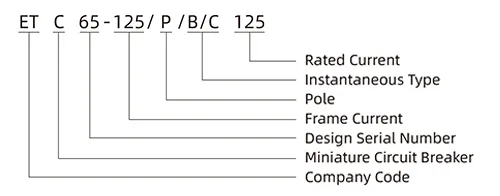
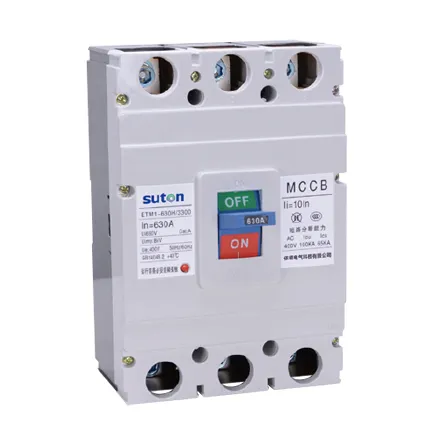
Review SUTON’s ETC65-125 series for modular high-current discussion, and molded case circuit breakers when the design points to an MCCB frame. Confirm datasheet markings against the drawing, then send the feeder package through Contact SUTON for model-level review.
Verification workflow
Before comparing quotations for 125 amp breaker, create a controlled worksheet that maps this exact phrase to the approved drawing, duty profile, protective roles, interfaces, environment and acceptance criteria for the 125 topic family. Reject look-alike substitutions that only match a familiar label.
When installing the chosen 125 amp breaker hardware, reconcile markings, terminals, accessories, wiring diagram and test instructions against the released schedule for this article topic. Retain the 125 amp breaker inspection pack in the panel dossier so future maintenance starts from evidence rather than assumptions.
FAQ
Is every 125 amp breaker an MCB?
No. Confirm whether the design requires a modular high-current MCB or an MCCB frame.
What decides breaking capacity?
The fault study at the installation point and the device markings for that exact model.
Why list terminal range in the RFQ?
Cable size and lug type must fit the device terminals and temperature limits.
Can accessories be assumed interchangeable?
No. Shunt trips, auxiliaries and handles are model-specific.
What should commissioning retain?
Markings, torque/termination checks, accessory wiring and authorized test records.
What belongs in a 125 amp breaker RFQ?
Duty, family, poles, fault data, terminals, enclosure, accessories, standards and quantity.