


A residual current device (RCD) is selected by protection role and circuit arrangement, not by the label alone. Panel builders should define the residual-current function, neutral path, overcurrent relationship, test access, and approved device data before comparing an RCD, RCCB, or RCBO route.
Important: IEC 61008-1 and IEC 61009-1 define product scopes, while the completed assembly still requires project-level coordination and verification. This guide does not assign a trip setting, pole count, certification, or circuit suitability without the exact model documents and design inputs.
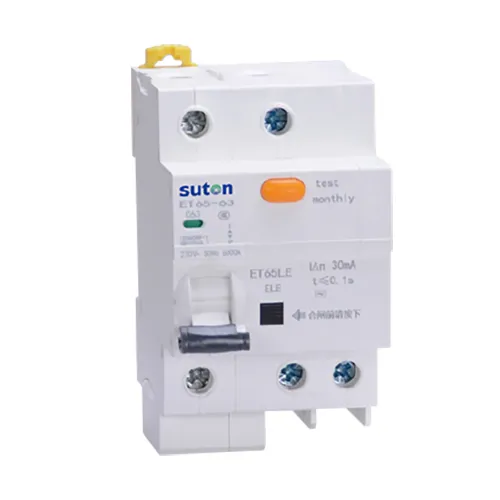
Part 1. What is a residual current device?
Residual current device is the umbrella term for equipment that detects an imbalance between conductors and operates the circuit according to its product scope. In a panel schedule, the phrase identifies a protection function; it does not by itself identify whether the device is an RCCB, RCBO, or another assembly arrangement.
The modular DIN rail products category is a useful upward reference for panel protection families. This article focuses on the selection boundary that should be settled before a device is placed on the rail.
Part 2. RCD and RCBO: define the device role
An RCCB-style device provides residual-current protection and normally relies on a separate overcurrent protective device. An RCBO combines residual-current and overcurrent functions in one device. The correct route depends on the circuit schedule, coordination study, available space, neutral arrangement, and the markings of the exact model.
| Selection question | Separate RCCB route | RCBO route |
|---|---|---|
| Overcurrent protection | provided by a coordinated upstream or paired breaker | integrated in the device family |
| Circuit grouping | may protect a group of final circuits | commonly assigned per final circuit |
| Neutral routing | must remain within the sensing arrangement | follows the model wiring diagram |
| Layout decision | allow for the paired breaker and links | allow for the device width and neutral bar scheme |
| Evidence needed | combination and coordination data | model marking and coordination data |
The RCCB breaker guide and RCD protection guide cover device and protection-strategy detail. Keep this umbrella page for the role and layout decision; do not treat an RCD label as proof that the RCBO route is interchangeable.
Part 3. Panel location and circuit order
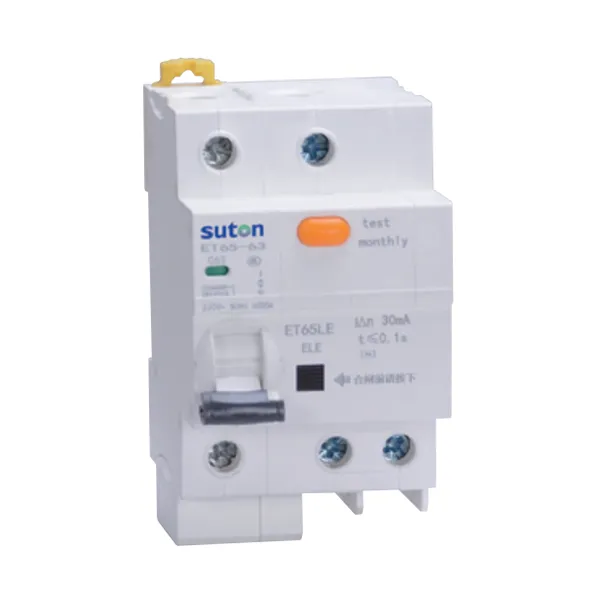
Place the device where the protected conductors pass through its sensing path and where the test control, labels, and isolation access remain usable. The single-line diagram should show the upstream source, overcurrent device, RCD, neutral bar relationship, and downstream circuits in the same order as the physical layout.
For a grouped RCCB arrangement, identify every downstream circuit and confirm that its neutral returns through the same sensing device. For a per-circuit RCBO arrangement, follow the model diagram for line and neutral terminals and keep each circuit’s neutral separated as required. Reserve wiring duct, terminal space, and a clear test-button reach before the panel GA is frozen.
Part 4. Neutral routing and test evidence
An RCD measures the relationship between the conductors that pass through its sensing path. A borrowed neutral, a shared return outside the device, or a mixed neutral bar can create nuisance operation or defeat the intended measurement. The wiring diagram and earthing arrangement therefore belong in the quotation pack, not only in the commissioning file.
Record the supply system, number of poles, line and neutral terminals, downstream neutral bar, protective-conductor route, and any bypass or changeover source. Confirm how the test circuit is connected and whether the equipment manufacturer requires a specific upstream arrangement.
Important: Never infer a universal residual-current threshold or test result from the term “RCD.” Use the exact model document and the authorized project procedure; IEC 61008-1 and IEC 61009-1 do not replace the installation design or commissioning record.
Before energization, compare terminal markings, conductor identity, enclosure labels, and test access with the approved schematic. Record the result and the revision used for the check.
Part 5. RCD quotation inputs
Send with the inquiry:
| RFQ input | Why it matters |
|---|---|
| Protection role and device family | distinguishes RCCB, RCBO, or another route |
| Supply voltage, frequency and earthing system | defines the circuit context |
| Rated current, poles and neutral arrangement | fixes the interface and layout |
| Upstream overcurrent device | supports coordination and combination review |
| Downstream circuit list and load types | identifies grouping and leakage context |
| Panel GA, rail position and terminal scheme | checks physical fit and service access |
| Required markings, standards and test method | aligns documentation and acceptance |
| Quantity, accessories and delivery needs | makes quotations comparable |
Attach the single-line diagram, wiring diagram, load schedule, and any equipment manual that specifies residual protection. Avoid a catalogue-only request because it leaves the neutral and coordination boundary unresolved.
Part 6. SUTON family review conditions
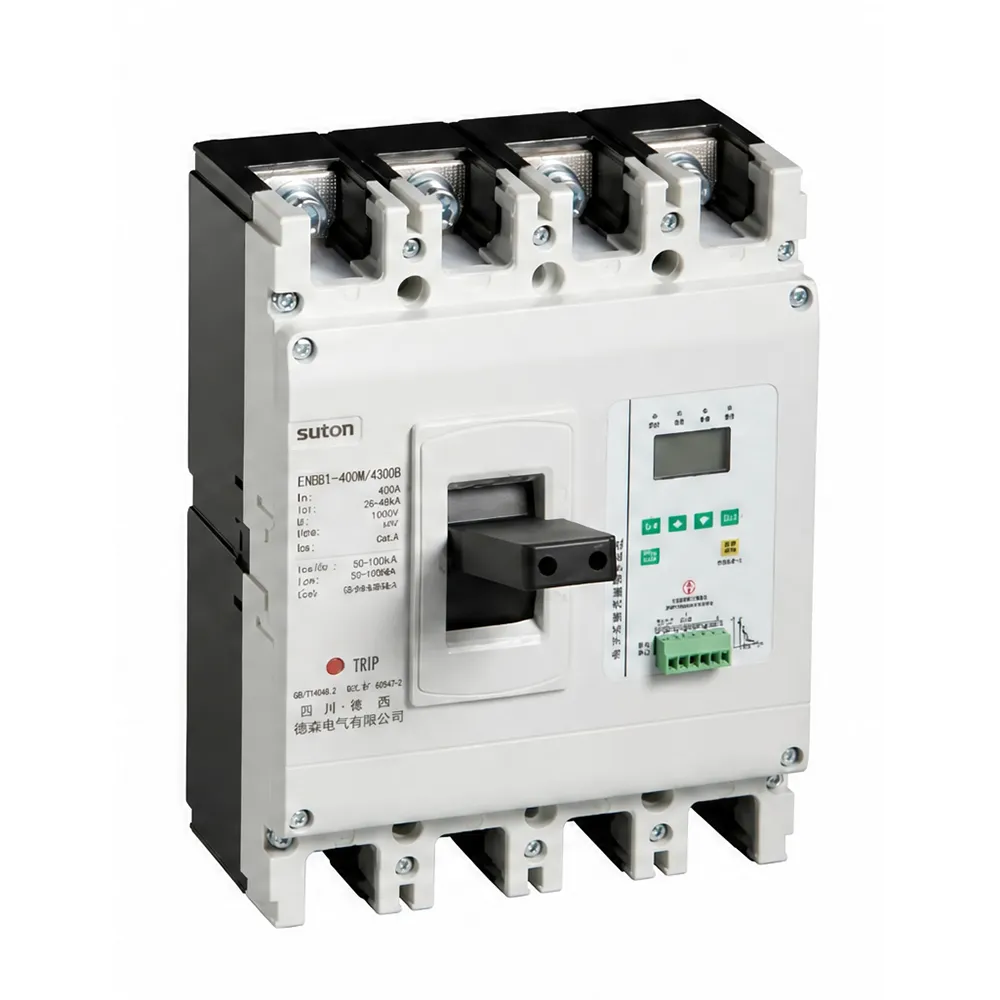
Review the DZ47LE residual-current breaker route when the panel schedule points to a compact modular residual-plus-overcurrent family and the model documents match the circuit arrangement. Review the ETM3EL electronic residual-current circuit breaker route when an electronic residual-current breaker family is being considered and the project needs model-specific documentation.
These public pages establish product-family routes only. They do not prove a universal trip setting, pole arrangement, certification, fault rating, or application fit. If the neutral scheme, upstream device, or load list is incomplete, do not recommend either family as a final selection. Send those inputs through Contact SUTON for a documented review.
FAQ
What is a residual current device?
The term covers equipment that detects residual-current imbalance and operates a circuit according to its product scope and approved model data.
How is an RCD different from an RCBO?
RCD names the umbrella protection function; an RCBO combines residual-current and overcurrent functions, while an RCCB-style route normally uses a separate overcurrent device.
Where is an RCD placed in a panel?
Place it so the protected conductors pass through its sensing path, with the test control, labels, terminals, and service access available in the approved panel layout.
Why does the neutral arrangement matter?
Its neutral must follow the device sensing path and the model wiring diagram; a shared or borrowed neutral can cause nuisance operation or defeat the intended measurement.
What should be checked before an RCD is tested?
Check the model marking, terminal identity, conductor routing, upstream relationship, test access, labels, and approved procedure before recording the test result.
What should be sent for an RCD quote?
Send the protection role, model route, voltage, rated current, poles, earthing and neutral arrangement, upstream device, circuit list, panel GA, standards, test method, and quantity.
When should a panel builder review DZ47LE or ETM3EL?
Review those SUTON family routes after the circuit schedule and neutral arrangement are defined; confirm exact settings, poles, markings, and coordination against model documents.