


Use this rccb breaker guide to turn a short request into an engineering review with traceable panel inputs.
Related reading: Circuit Breaker Guide and MCCB Breaker Guide.
Part 1. What does an RCCB breaker request actually mean?
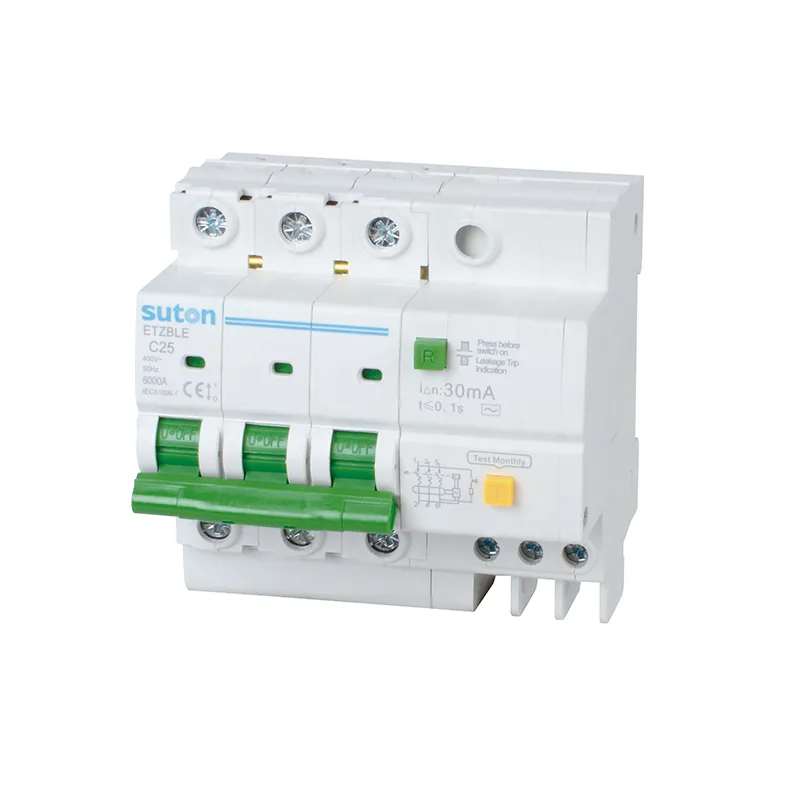
Buyers often say RCCB breaker when they need residual-current protection. An RCCB provides residual-current detection and trip but normally relies on separate overcurrent protection. It is not the same device family as an RCBO, which combines residual and overcurrent functions.
| Decision input | Why it matters | Send with quote |
|---|---|---|
| Sensitivity (IΔn) | Sets residual trip threshold | Yes |
| Type A/B/… | Waveform classification | Yes |
| Poles | Supply and load conductors | Yes |
| Downstream MCBs | Overcurrent coordination | Yes |
Important: do not order an RCCB as if it were an overcurrent breaker; keep both duties visible on the schedule — source: IEC product/assembly selection practice.
Part 2. How should grouping and selectivity be planned?
Decide which final circuits share one RCCB and estimate standing leakage so nuisance trips are less likely. Upstream/downstream residual selectivity needs documented device characteristics.
Part 3. Which waveform and earthing inputs matter?

Converter-fed loads, EV or PV interfaces, and special equipment can change the required residual-current type classification. Record earthing arrangement and any project rule that mandates Type A, Type B or another classification.
Part 4. What installation details change the result?
Neutral switching, busbar compatibility, test-button access and cable routing through the correct sensor path (where used) affect correct operation.
Part 5. How should commissioning verify residual protection?
Perform authorized residual-current tests, confirm markings, verify associated overcurrent devices remain in place, and record results with the panel dossier.
Part 6. Where can SUTON product routes fit?
Send with the inquiry: State sensitivity, type classification, poles, rated current, grouping plan, overcurrent coordination, earthing, standards and quantity. Fit Boundary: this guide clarifies RCCB inputs; it does not approve a residual architecture without the circuit schedule and project rules.
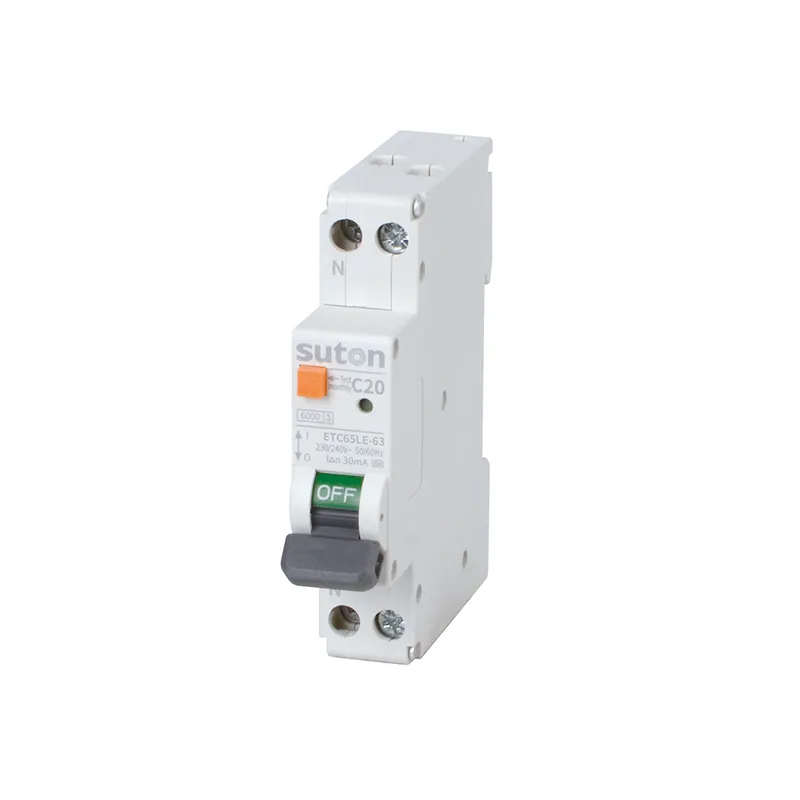
Review SUTON’s modular DIN rail products and residual-capable routes such as DZ47LE only after the residual architecture is documented. Confirm exact residual markings on the datasheet, then send the zone plan through Contact SUTON for model-level review.
Verification workflow
Before comparing quotations for rccb breaker, create a controlled worksheet that maps this exact phrase to the approved drawing, duty profile, protective roles, interfaces, environment and acceptance criteria for the rccb topic family. Reject look-alike substitutions that only match a familiar label.
When installing the chosen rccb breaker hardware, reconcile markings, terminals, accessories, wiring diagram and test instructions against the released schedule for this article topic. Retain the rccb breaker inspection pack in the panel dossier so future maintenance starts from evidence rather than assumptions.
FAQ
Is an RCCB the same as an RCBO?
No. An RCCB needs separate overcurrent protection; an RCBO combines residual and overcurrent functions.
What is Type A vs Type B?
Type classification describes residual waveform detection capability; record the project requirement explicitly.
Can one RCCB cover many circuits?
Yes when the design groups them, but standing leakage and selectivity must be reviewed.
Does an RCCB replace an MCB?
No. Keep overcurrent protection in the coordinated arrangement.
What should tests include?
Authorized residual tests, markings check and confirmation of associated overcurrent devices.
What belongs in an RCCB RFQ?
Sensitivity, type, poles, rating, grouping, overcurrent plan, earthing, standards and quantity.