


Use this magnetic contactor guide to turn a short request into an engineering review with traceable panel inputs.

Related reading: Circuit Breaker Guide and MCCB Breaker Guide.
Part 1. What does a magnetic contactor do?
A magnetic contactor is an electromagnetically operated switching device used to apply and remove power under the approved control sequence. Selection starts from utilization category, motor or load duty, coil voltage, contact arrangement, auxiliary contacts, mounting and coordination with overload and short-circuit protection.
| Decision input | Why it matters | Send with quote |
|---|---|---|
| Load / motor duty | Sets utilization category and size | Yes |
| Coil voltage | Controls circuit compatibility | Yes |
| Aux contacts | Interlocks and status feedback | Yes |
| Protection scheme | Contactor is not short-circuit protection | Yes |
Important: a contactor switches under control; it does not replace the branch short-circuit protective device — source: IEC product/assembly selection practice.
Part 2. How should the contactor relate to starters and overload relays?
In many motor branches the contactor is part of a starter arrangement with an overload relay and a separate short-circuit protective device. Keep those roles visible on the schematic.
Part 3. Which control-circuit inputs must be recorded?

Capture coil voltage, control supply source, interlocking logic, emergency-stop behaviour, restart policy and any PLC or relay interface.
Part 4. What installation details change the result?
DIN-rail or panel mounting, arc chute clearances, cable ducting, thermal environment and auxiliary block stacking affect fit.
Part 5. How should commissioning verify the contactor circuit?
Test the approved start, stop, interlock and trip sequences without defeating safety circuits. Verify coil voltage, contact operation, overload interaction and marking against the released schematic.
Part 6. Where can SUTON product routes fit?
Send with the inquiry: State load/motor data, utilization category, coil voltage, aux contacts, enclosure, protection scheme, fault-study reference, standards and quantity. Fit Boundary: this guide documents contactor inputs; it does not approve coordination or a SUTON contactor model without project evidence.
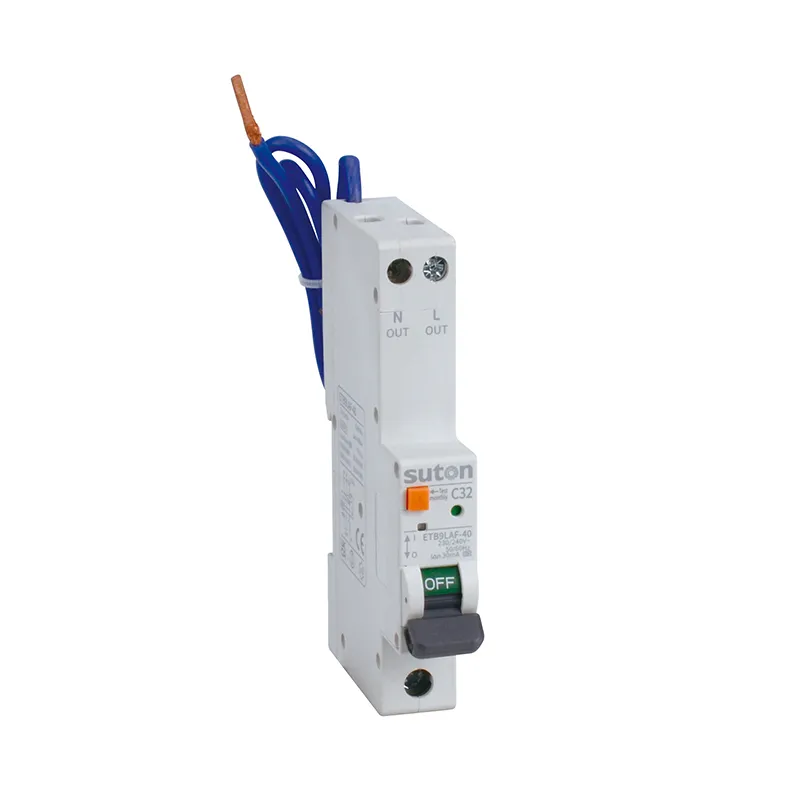
SUTON’s public modular DIN rail products can support adjacent modular protection and isolation elements in the same panel. They are not a magnetic-contactor SKU approval. Send the motor-control schematic and protection arrangement through Contact SUTON when reviewing adjacent modular protection devices.
Verification workflow
Before comparing quotations for magnetic contactor, create a controlled worksheet that maps this exact phrase to the approved drawing, duty profile, protective roles, interfaces, environment and acceptance criteria for the magnetic topic family. Reject look-alike substitutions that only match a familiar label.
When installing the chosen magnetic contactor hardware, reconcile markings, terminals, accessories, wiring diagram and test instructions against the released schedule for this article topic. Retain the magnetic contactor inspection pack in the panel dossier so future maintenance starts from evidence rather than assumptions.
FAQ
Is a magnetic contactor a circuit breaker?
No. It is a control switching device and needs coordinated branch protection.
What sets contactor size?
Utilization category, load duty, current, and manufacturer instructions for the application.
Why specify coil voltage explicitly?
Control-circuit voltage mismatches are a common cause of failed commissioning.
Do auxiliary contacts matter?
Yes. Interlocks, status feedback and PLC inputs depend on the approved aux arrangement.
What should be tested at handover?
Control sequence, interlocks, coil voltage, markings and interaction with overload/protection devices.
What belongs in a magnetic contactor RFQ?
Load duty, utilization category, coil voltage, aux contacts, protection scheme, standards and quantity.