


AFCI protection is a panel-level strategy — not a catalogue keyword. It defines which circuits need arc-fault detection, how they are grouped, where modules sit on the DIN rail, how neutrals are routed, and what commissioning must record before energization. Device selection implements the plan; skipping the plan produces a board that looks protected but cannot be tested, labeled, or serviced with confidence.
Start with the approved single-line diagram and circuit schedule. Name each circuit that requires arc-fault protection under the project rules, decide grouping and outage scope, and only then map device families to roles. A generic “AFCI breaker” label cannot answer those panel questions without the layout context.
Important: This guide plans arc-fault protection strategy for low-voltage distribution panels in line with assembly integration practice in IEC 61439-1. It cannot approve a specific device marking, sensitivity, or coordination result where load data, wiring arrangement, or applicable rules are absent — hold those inputs for engineering review before procurement.
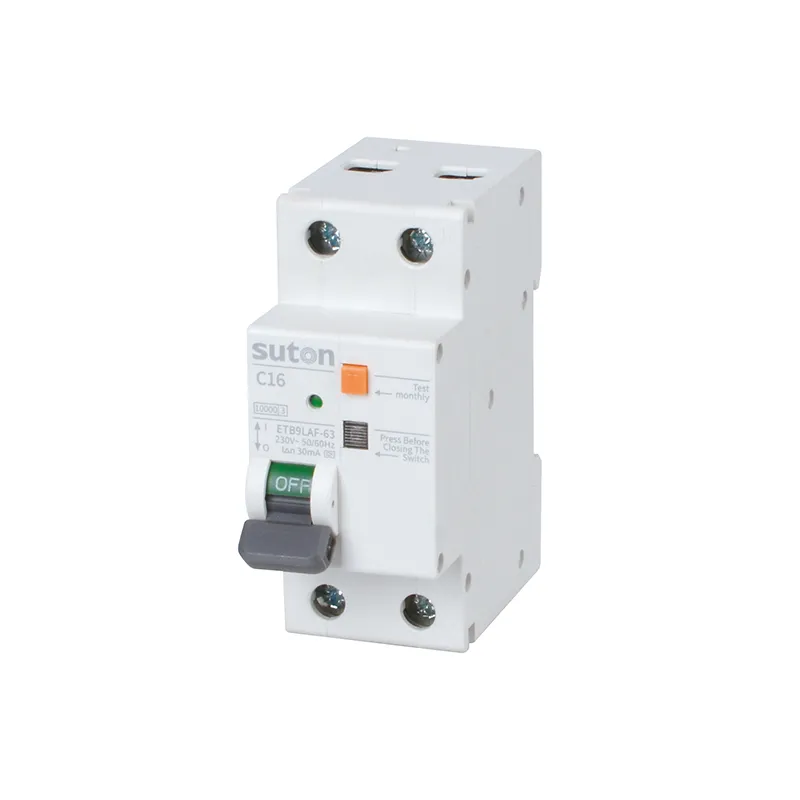
Part 1. Turn AFCI protection into a circuit strategy
Ask “one arc-fault module for the board, or one per branch?” and you are asking a strategy question, not a product question. AFCI protection is the installation-level plan that decides which circuits are monitored, in which groups, with what outage consequence, and with what test access after commissioning.
Begin with the approved circuit schedule and mark every circuit where the project requires arc-fault protection. Grouping decisions drive device count, labeling workload, and the scope of a trip event.
A branch-level module limits outage spread; a group arrangement may be economical but removes every circuit in the zone when the device operates. Record the chosen grouping on the single-line diagram before any purchasing conversation starts.
Projects that skip the plan buy devices twice: once from a catalogue, and again after an inspection finding, nuisance operation, or unclear labeling forces a redesign. The strategy document should travel with the panel dossier so service teams understand which circuits are arc-fault protected and which protective functions sit upstream or downstream.
Part 2. Separate AFCI strategy from other protective functions
AFCI protection addresses the specified arc-fault detection function. MCB, RCBO, RCCB, and SPD devices have separate defined roles. Place each requirement in a clear protection matrix instead of treating every modular device as interchangeable.
| Protective function | Primary role in the panel | Planning consequence |
|---|---|---|
| MCB / MCCB | Overcurrent and short-circuit protection | Does not establish arc-fault detection by itself |
| RCCB / RCBO | Residual-current protection | Separate sensitivity and neutral routing rules |
| AFCI / AFDD module | Arc-fault detection on assigned circuits | Requires traceable line and neutral routing per device instructions |
| SPD | Surge protection | Separate coordination and indication requirements |
This matrix avoids a layout that looks complete but has unclear circuit responsibility or testing ownership. Device-level arc-fault explanation and marking review live in the arc fault circuit breaker guide; this article owns strategy, grouping, and layout checks only.
Where both residual and arc-fault functions apply, record the order of protective elements and the test method for each function. Commissioning must be able to prove which device responded and which circuit was affected without disassembly.
Part 3. Plan device positions and neutral routes
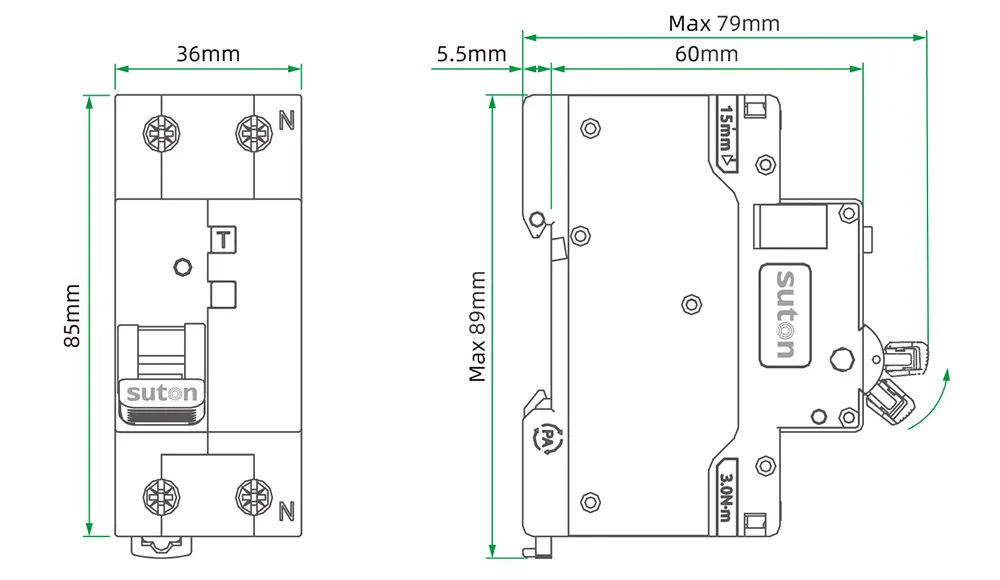
Reserve module positions from the single-line diagram and keep each protected circuit traceable at the device, neutral, and terminal levels. Confirm the required line and neutral routing, busbar compatibility, conductor space, and test-button access against the selected device instructions before the enclosure layout is frozen.
Arc-fault modules are not neutral-agnostic placeholders. Shared-neutral arrangements, borrowed neutrals, and mixed upstream protection can all break traceability even when the module mounts correctly on the rail. Draw the neutral path for every protected circuit and compare it to the manufacturer wiring diagram; small layout shortcuts can make later verification or fault investigation needlessly difficult.
Check physical interfaces early: module width, terminal orientation, bending space, and door clearance for the test control. A module that fits electrically but cannot be exercised during commissioning becomes a latent compliance gap. Record the approved mounting location and terminal numbering on the schedule so replacements during service restore the same arrangement.
Part 4. Coordinate testing, labeling, and commissioning records
The commissioning file should identify the protected circuit, installed device marking, approved test method, and result. Labels must make the AFCI-protected circuits understandable to the panel owner and service team without opening every device datasheet.
Write the test sequence into the plan on day one. Typical records include circuit identity, device marking, date, method reference, operator, and pass/fail outcome. If an operation occurs unexpectedly, record connected loads, switching context, and circuit conditions before changing the arrangement or replacing a module — patterns across records distinguish a wiring issue from a load condition that the strategy did not anticipate.
Periodic verification should follow the interval set by the applicable rules and the facility’s risk decisions. Keep the schedule aligned with the zone map: every added circuit or load change can alter the protection story even when ratings appear unchanged.
Part 5. Build an RFQ that preserves the protection intent
A protection-strategy RFQ is a package, not a part number list.
| RFQ input | Why it matters |
|---|---|
| Single-line diagram with AFCI zones marked | shows which circuits require arc-fault protection |
| Circuit schedule with load and routing notes | validates grouping and neutral traceability |
| Required protective functions per circuit | separates AFCI from overcurrent and residual roles |
| Rated current, poles, voltage, and mounting interface | fixes physical and electrical duty |
| Standards requested and test-method expectations | fixes approval and commissioning scope |
| Quantities, accessories, and labeling requirements | fixes assembly and handover scope |
Require suppliers to declare the exact offered marking, installation instructions, accessories, and exceptions. Hold the engineering decision when the required protection strategy or circuit information is incomplete — a quotation against an undefined zone map cannot preserve the design intent.
Fit Boundary: this guide structures arc-fault protection planning for LV distribution panels. It does not decide national rule applicability, does not replace a coordination study, and cannot approve a device where circuit layout, neutral routing, or rule references are missing. Escalate those gaps to the design authority before the plan is priced.
Part 6. Route an evidence-based SUTON inquiry
SUTON’s modular DIN rail products category is a public route for discussing modular protection families after the buyer has defined the required function and project conditions. It is not treated here as proof that every listed product has the requested AFCI characteristic for every circuit.
Once the protection matrix and single-line diagram are approved, send the controlled documents through Contact SUTON for a documented product-route review. Public pages do not fix marking, sensitivity, coordination, or installation exceptions for a specific panel — those remain project-specific confirmations.
For device-level arc-fault scope, cross-read the circuit breaker guide and the live arc fault circuit breaker guide before mixing adjunct modules in one schedule. Compare quotations against the same documented requirements and retain the final schedule with the assembly record.
Product recommendation boundary
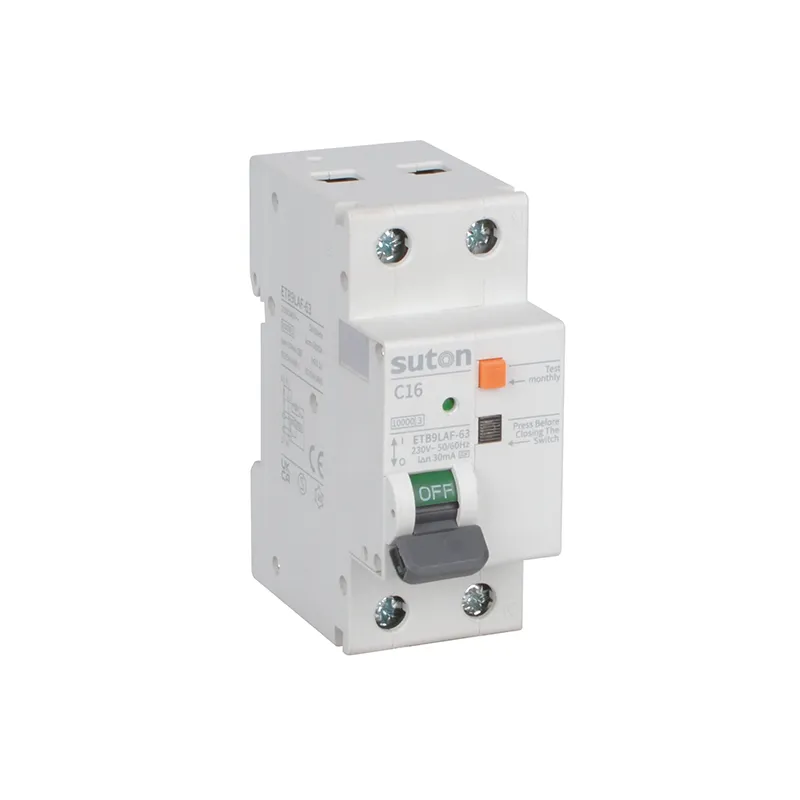
The modular DIN rail products category is the appropriate SUTON product recommendation route after the buyer has defined the required function and project conditions. It is not a default approval of a particular item.
Where arc-fault detection devices are under review, the public ETB9LAF-63 series arc fault detection device route may support an inquiry once the protection matrix is documented. Confirm exact offer, markings, instructions, and assembly interfaces before release.
Panel dossier and service discipline
Treat the AFCI zone map, circuit schedule, test records, and revision history as one handover package. Facilities that inherit the strategy maintain it; facilities that inherit only a rail full of modules tend to rebuild the plan from scratch at the first service event.
After any unexplained arc-fault module operation, record the circuit, connected loads, and recent switching activity before reset. Compare the event against the approved grouping: a trip on a shared-neutral arrangement, a new load on a protected branch, or a labeling mismatch often explains the symptom faster than replacing the module by default.
When the panel is modified, update the single-line diagram and schedule before energizing new circuits. An added branch changes outage scope, test access, and neutral traceability even when the new module rating matches a catalogue row.
FAQ
What does AFCI protection mean in a panel strategy?
It is a documented decision about which circuits need the specified arc-fault protection, how they are grouped, how neutrals are routed, and how the arrangement will be tested and labeled after installation.
Is AFCI protection the same as an arc-fault circuit breaker guide?
No. This article owns strategy, grouping, layout, and RFQ inputs. The live arc-fault circuit breaker guide owns device-level arc-fault explanation and marking review.
Can an MCB replace AFCI protection?
No. An MCB has a separate overcurrent role and does not establish the requested arc-fault detection function on its own.
Why does neutral routing matter for AFCI layout?
Circuit traceability and the selected device instructions must be maintained through the line and neutral arrangement. Shared or borrowed neutrals can defeat protection even when the module mounts correctly.
What should AFCI protection commissioning record?
Record circuit identity, installed marking, approved test method, date, operator, and result. Unexpected operations should also capture load and switching context before reset.
What belongs in an AFCI protection RFQ?
Include the zone map, circuit schedule, required functions per circuit, ratings, layout and interface data, standards requested, test expectations, accessories, and quantities.