


Assess before you replace: a fuse box decision is a documented condition review first, and an upgrade plan second — with modern fuse gear keeping real roles.
Facility teams and contractors use the term when they face a legacy fuse-based board, a vague “old panel” complaint, or an upgrade budget request. The workflow starts with on-site evidence under local rules, not with a catalogue swap. Only after the assessment is filed does an upgrade or retained-service path become a procurement conversation.
Important: This guide structures fuse-box assessment and upgrade planning for LV distribution in line with switchgear practice in IEC 60947-3 and assembly context in IEC 61439-1. It cannot declare a specific installation fit or unfit for continued service — that judgment belongs to qualified persons on site under applicable local rules.
Part 1. Turn a fuse box enquiry into documented assessment inputs
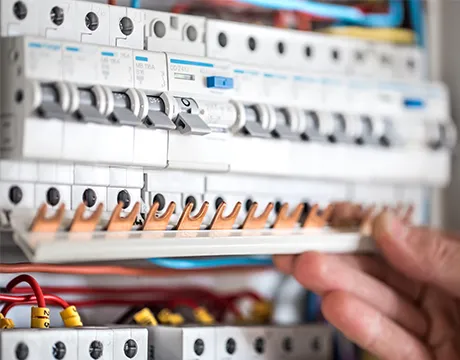
Facility teams say “fuse box” for three different things: a genuinely fuse-based legacy board, any old distribution board regardless of contents, or the enclosure they want modernized. Each reading triggers a different workflow, so the first site question is factual — what protection technology is actually installed, and what records exist. Photograph the board, list the circuits, and note markings before anyone prices anything.
The table below turns fuse-box assessment findings into an upgrade or retained-service package suppliers can price.
| Selection factor | Why it matters for the decision | Send with quote |
|---|---|---|
| Assessment report with dated findings | grounds continued service or upgrade scope | yes |
| Circuit schedule with connected loads | fixes ways, ratings, and labeling needs | yes |
| Supply arrangement and earthing system | fixes incomer and protection context | yes |
| Prospective fault level at the board | fixes withstand and device duty | yes |
| Residual protection presence and plan | fixes device mix in the destination board | yes |
| Fuse-gear roles to retain, if any | fixes combination-unit requirements | yes |
| Enclosure location, access, and constraints | fixes physical selection and logistics | yes |
| Outage windows and sequencing limits | fixes installation planning | yes |
| Photographs and marking records | supports traceability and handover | yes |
| Standards requested, records, and quantity | fixes compliance scope and batch size | yes |
Projects that skip the table often receive upgrade quotations built on a way count alone. That produces a second procurement cycle once assessment findings, residual strategy, or sequencing constraints surface on site.
Part 2. Separate fuse-based and breaker-based protection boundaries
Fuses and breakers both clear overcurrents; they differ in what happens around the event. The boundary is operational rather than moral: fuse technology is not obsolete, but rewireable or unlabeled arrangements depend heavily on disciplined replacement practice, which is exactly what assessments examine.
| Behavior | Fuse-based board | Breaker-based board |
|---|---|---|
| After a fault clears | fuse link replaced | device reset after investigation |
| Indication | depends on fuse type and carrier | device position and flag |
| Spares logistics | correct links must be stocked | no consumable per event |
| Mis-replacement risk | wrong or improvised link possible | rating fixed in the device |
| Residual protection | separate devices required | integrated options available |
Device-swap workflows for breaker-based replacements are covered in the breaker replacement guide. This article owns assessment evidence, upgrade planning, and modern fuse-gear roles — not a repeat of single-device swap steps.
Part 3. Record on-site condition evidence before any upgrade decision

Assessment is on-site, qualified work under the applicable local rules — no article can declare a specific board fit or unfit remotely. The review typically documents supply arrangement, earthing system, conductor condition, circuit identification, protection ratings against connected loads, residual protection presence, and signs of overheating or improvised repairs.
Write the outcome as evidence, not adjectives. “Circuit 4 fuse rating exceeds recorded conductor size” is actionable; “board looks tired” is not. The evidence file becomes the upgrade RFQ’s foundation if replacement is chosen.
Give operations a one-page summary: what protection technology the site now has, where spare links or devices are stocked, and who signed the last review. Facilities change hands; the summary survives the handover even when the full file is misplaced.
Part 4. Identify where modern fuse gear still fits in new assemblies
Modern assemblies still use fuse technology deliberately: fuse switch disconnectors combine switching, isolation, and fuse protection in one unit for feeder and distribution duties, and fuse links serve roles where their limiting behavior is valued. These are current products with current standards, selected from ratings and coordination data like any other device.
The planning question is therefore not “fuses or no fuses” but which roles the design assigns them. Isolation-role selection logic is covered in the main switch selection guide. Where a design retains fuse gear, record the exact combination unit, fuse type, and replacement procedure in the panel dossier.
Part 5. Plan an upgrade to a breaker-based board with sequencing discipline
An upgrade is a small project, not a shopping trip. The new board re-opens questions the old one froze years ago: earthing arrangement, residual protection strategy, circuit identification, spare capacity, and enclosure location. Destination-board sizing follows the distribution board sizing guide.
Sequence matters for occupied sites. Plan outage windows per circuit group, label and trace circuits before demolition day, and keep the old board’s records in the file — they are the only map of what the building actually contains until the new schedule is verified.
Set the next review date explicitly. Legacy boards drift out of compliance through building changes rather than through age alone, and a dated review cycle catches added circuits, changed loads, and new rules before they become incident reports.
Part 6. Route an evidence-based SUTON inquiry
Send with the inquiry:
- assessment report reference with dated findings and photographs
- circuit schedule with loads and labeling records
- supply, earthing, and prospective fault data
- residual protection plan for the destination board
- fuse-gear roles retained, if any, with combination-unit requirements
- enclosure location, access constraints, and outage windows
- standards requested, record format, and quantity
Require suppliers to declare the exact offered device markings, fuse sizes where applicable, assembly scope, accessories, and any exceptions against the controlled documents. Hold the engineering decision when assessment evidence or supply data is incomplete — a quotation against an unassessed board cannot preserve safety intent.
Fit Boundary: this guide structures assessment and upgrade planning for fuse-based boards. It cannot judge a specific installation’s safety, does not replace on-site qualified assessment under local rules, and cannot size the new board where the circuit schedule or supply data is missing. Escalate those gaps to the design authority before the package is priced.
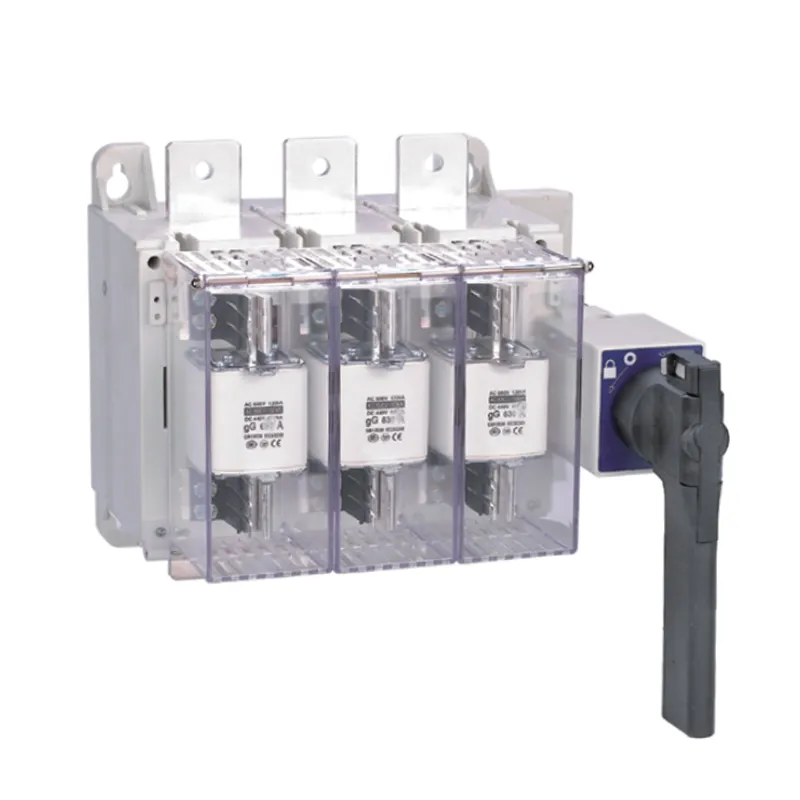
For a product recommendation starting point where the design retains fuse-gear roles, review SUTON’s ETGLR series fuse switch disconnector route; breaker-based destination boards draw device candidates from modular DIN rail products. Enclosure inquiries for the destination board follow the public distribution box category as an RFQ route — no specific enclosure SKU is claimed here.
Once the assessment findings and circuit schedule are approved, send the controlled documents through Contact SUTON for a documented review. Public pages do not fix fuse sizes, ratings, or upgrade scope for a specific site — those remain project-specific confirmations.
Records that make the decision durable
Whatever the outcome, file it. A continued-service decision needs the assessment report, any remedial work orders, and the replacement-practice instructions for fuse links. An upgrade decision needs the old schedule, the new verified schedule, test records, and photographs of both states.
Budget owners accept planned reviews far more readily than emergency replacements priced overnight, which is the practical argument for keeping the review cycle alive. The panel dossier should show who approved continued service or upgrade, on what evidence, and when the next review is due.
FAQ
What is a fuse box?
In practice it names a fuse-based distribution board, though buyers also use it loosely for any older board; the site survey must confirm what is actually installed.
How is a fuse box different from a breaker panel?
The protection technology differs in reset, indication, and spares behavior: fuse links are replaced after a fault, while breakers are reset after investigation.
Can an old fuse box still be used?
That is a condition-assessment and local-rules decision made on site by qualified persons; documented evidence, not age alone, drives the outcome.
When should a fuse box be replaced with a breaker board?
When the documented assessment, load changes, residual-protection needs, or rule requirements make continued service unsupportable or uneconomic.
What is a fuse switch disconnector?
A current product class combining switching, isolation, and fuse protection in one unit, used deliberately in modern feeder and distribution designs.
What data belongs in a fuse box upgrade RFQ?
Provide the assessment reference, circuit schedule, supply and earthing data, residual plan, retained fuse-gear roles, enclosure constraints, sequencing limits, standards, and quantity — the Part 1 table lists what to send with a quote.