


Type B is a load-driven classification — not a catalogue upgrade. Panel builders specify it when documented electronics make smooth DC residual currents credible on a circuit serving EV charging, PV inverters, variable-speed drives, or similar converter-fed loads.
Start with a load list and equipment manuals, not with a distributor filter. Record the required classification, circuit duty, and device marking before any quotation is compared.
Important: This guide structures Type B residual-device selection for low-voltage distribution panels in line with assembly integration practice in IEC 61439-1 and residual-device product scope in IEC 61008-1 and IEC 61009-1. It cannot approve a device marking, sensitivity, or coordination result where load waveforms, earthing arrangement, fault duty, or applicable rules are missing — hold those inputs for engineering review before procurement.
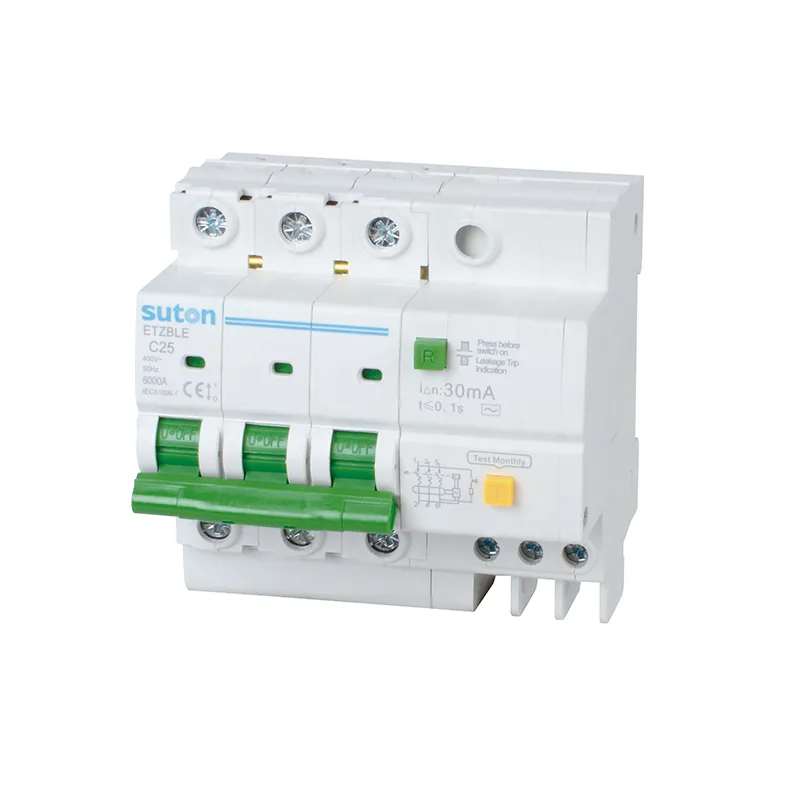
Part 1. What is a Type B RCD in a panel specification?
Ask “do we need Type B here?” and you are asking whether documented load electronics can produce residual currents with smooth DC components that a lower classification may not detect reliably. Type B is a product-standard classification, not a marketing tier. The decision belongs to load screening and the design authority, backed by equipment manuals and the circuit schedule.
Type B devices address a broader residual-current waveform envelope than Type A within their applicable product standards. That does not make Type B the default choice for every modern load. Over-specifying adds cost and may still fail if coordination, sensitivity, or installation conditions are wrong.
Part 2. Which loads trigger a Type B screening review?
Screen every circuit against its connected load technology before fixing the classification column in the schedule. The table below is a planning aid, not a substitute for manufacturer instructions or the design authority.
| Load technology | Residual-current concern | Screening action | Send with quote |
|---|---|---|---|
| EV charging equipment | rectifier front ends can produce smooth DC leakage | read charger manual and earth-fault protection note | yes |
| PV inverters and string combiners | converter leakage with DC components | record inverter model and installation guide | yes |
| Variable-speed drives and motor starters | DC-link leakage paths | capture drive manual residual-device requirement | yes |
| UPS and large switched-mode supplies | mixed waveform leakage | document supply topology and manual | yes |
| General socket and lighting circuits | usually sinusoidal or pulsating DC only | confirm no converter-fed sub-load on same device | yes |
| Equipment with integrated residual protection | may satisfy the circuit without a separate panel device | verify marking and test access on the equipment | yes |
Equipment manuals often state the required residual-device classification explicitly. When a manual names Type B, preserve that requirement in the RFQ rather than substituting a lower class to save cost. Nuisance tripping on a lower class is a symptom of waveform mismatch, not proof that the load is faulty.
Part 3. Which circuit inputs must be recorded before ordering?
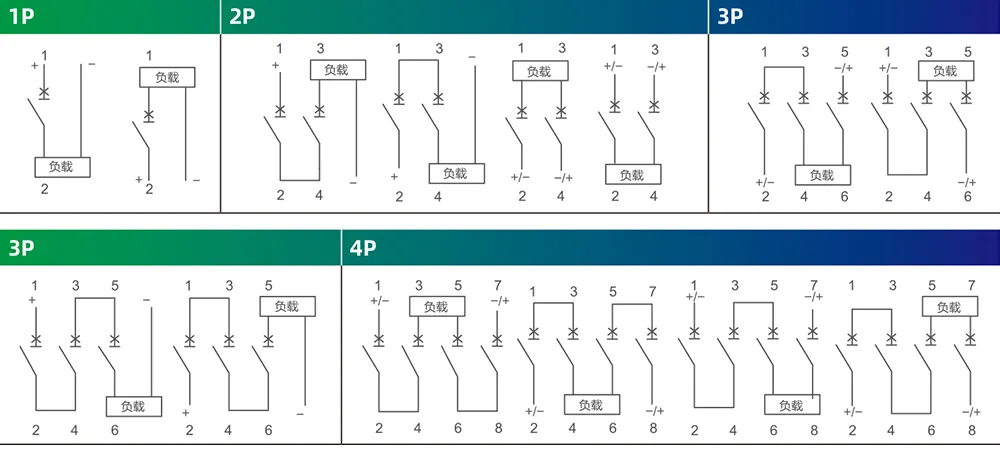
Document supply arrangement, earthing system, circuit purpose, nominal voltage, rated current, poles, neutral routing, and the connected load identity on the schedule. State whether one device covers a single final circuit or a grouped zone, because neutral routing, isolation, labelling, and test access follow that choice. Capture prospective fault current and upstream breaker data whenever combination ratings or the project fault study require them.
Lay out DIN-rail positions, terminal orientation, bending space, and test-button reach on the schematic before the enclosure layout is fixed. A device that passes paper ratings but lacks practical wiring access or label space often fails commissioning.
Part 4. Where does Type A end and Type B begin?
Type A covers sinusoidal AC and pulsating DC residual currents within the applicable product standard. Type B extends detection to include smooth DC residual currents. The boundary is not decided by load brand or circuit name alone — it comes from documented waveform evidence and the design authority.
The live Type A RCD guide explains the Type A classification boundary that many mixed-technology boards still require on general circuits. This Type B guide owns the load-screening step that decides when Type B becomes credible. Do not treat the two articles as interchangeable labels.
Substituting Type A for a documented Type B requirement is not a like-for-like replacement. The delivered marking, test method, and commissioning evidence must match the approved classification. Device-family detail for RCCB and RCBO arrangements lives in the residual current circuit breaker guide and the RCBO breaker guide.
Part 5. How does Type B coordinate with overcurrent and integrated devices?
Because an RCCB does not interrupt overload or short-circuit currents, identify its paired overcurrent device before ordering. Review the conditional short-circuit rating of the assembly, not the standalone device figures alone.
When residual devices stack in series, plan sensitivity steps so an upstream group unit does not trip before a downstream circuit device. File the fault-study extract and manufacturer combination tables beside the approved schedule.
Some EV chargers, inverters, and drives include an integrated residual function. When equipment documentation states that the internal device satisfies the circuit requirement, record that marking and test access in the panel dossier. Do not add a separate panel device without confirming that the integrated arrangement meets the project rules and inspection expectations.
Coordination evidence belongs in the panel dossier next to the fault study. Keep the manufacturer combination tables, the approved schedule, and the load manual references together because commissioning and later service decisions will rely on them.
Part 6. Route an evidence-based SUTON inquiry
Send with the inquiry:
| RFQ input | Why it matters |
|---|---|
| Required residual-current classification and project terminology | fixes what must be quoted |
| Load technology list and equipment manual references | supports the Type B decision |
| Device marking target and circuit arrangement | fixes family and pole duty |
| Rated current, poles, voltage, and earthing system | fixes application conditions |
| Overcurrent arrangement and coordination data | fixes combination ratings |
| Mounting interface, standards, and test expectations | fixes assembly and commissioning scope |
| Quantities and accessories | fixes procurement batch |
Fit Boundary: this guide supports Type B load screening and procurement inputs for LV distribution panels. It is not a substitute for a protection study, and it cannot approve a device where load waveforms, earthing arrangement, fault duty, or applicable installation rules are unknown. Escalate those gaps to the design authority before the package is priced.
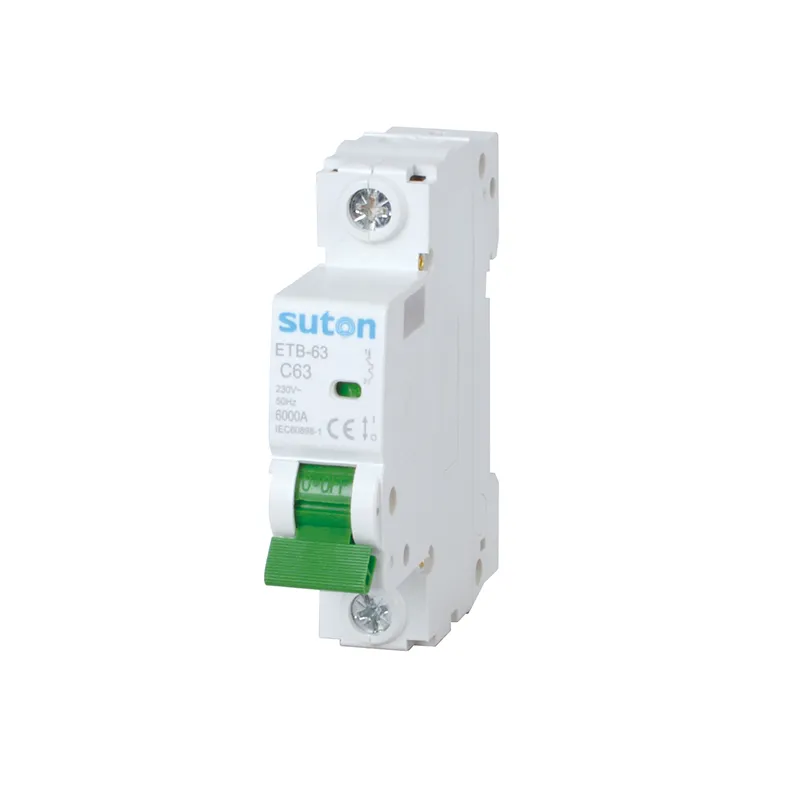
As a product recommendation starting point once load screening is complete, review SUTON’s modular DIN rail products for modular protection categories, and the ETZBLE series RCBO route where a combined residual-plus-overcurrent arrangement is being considered. These public routes do not establish Type B marking, sensitivity, or coordination for any model. Send the load list, circuit schedule, and required classification through Contact SUTON for a documented review.
Load-screening records and service discipline
Treat the load-screening worksheet, circuit schedule, equipment manual references, test records, and revision history as one handover package. Facilities that inherit the dossier can re-screen circuits when loads change; facilities that inherit only a device label tend to rebuild the classification review from scratch at the first inspection finding.
When a circuit receives new converter-fed equipment, revise the screening worksheet before re-energizing. An added charger, inverter, or drive can move the credible classification boundary even when nominal current and voltage stay the same.
After any unexplained trip, log the circuit identity, connected loads, and weather or switching context before reset. Patterns across records often distinguish a waveform mismatch from a genuine fault the original screening did not anticipate.
FAQ
What is a Type B RCD?
It is a residual-current protection classification intended for circuits where smooth DC residual currents are credible, subject to the device marking and applicable product standard.
When is a Type B RCD required?
When documented load electronics and the design authority make smooth DC residual currents credible; equipment manuals often state the required classification explicitly.
How is Type B different from Type A?
Type A addresses sinusoidal AC and pulsating DC residual currents; Type B extends detection to include smooth DC components within the applicable product standard.
Can a Type B RCD be replaced by a Type A device?
Not when the project or equipment manual documents a Type B requirement; substituting a lower classification is not a like-for-like replacement.
What tests are needed before energizing a Type B RCD?
Follow the authorized project procedure: verify markings, connections, test-button access, circuit identification, and record results in the commissioning file.
What data belongs in a Type B RCD RFQ?
Provide the required classification, load technology evidence, sensitivity, rated current, poles, voltage, coordination data, mounting interface, standards, and quantity.