


A plug-in circuit breaker is a breaker designed to connect to a specified panel busbar or mounting base without individual cable lugs at the line side. It must match the listed panel family, busbar interface, voltage, poles, fault duty and branch position; a device that physically inserts is not automatically an approved replacement.
Use the circuit breaker panel guide for assembly planning and the DIN rail mounting guide for modular mounting context.
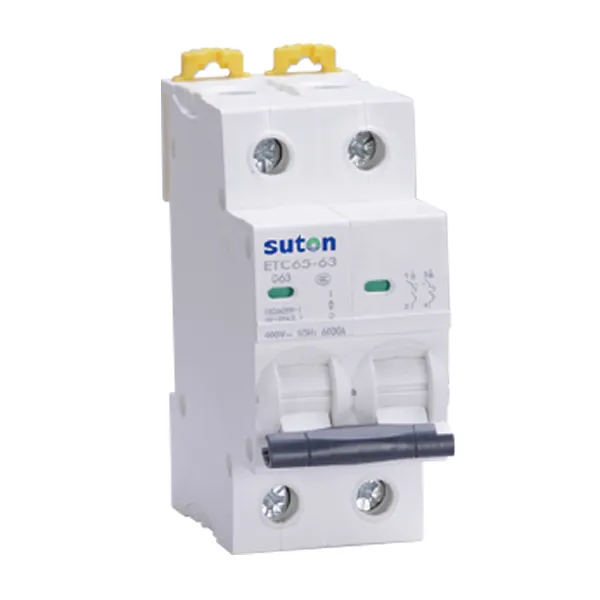
Part 1. What is a plug-in circuit breaker?
A plug-in circuit breaker has a line-side interface that mates with a dedicated busbar, stab or base in a compatible panel. This reduces field line-side wiring and can speed replacement in serviceable assemblies. The branch load still connects through the breaker’s load-side terminals.
The phrase is often used broadly, so first identify the actual interface:
| Device arrangement | Line-side connection | Typical use |
|---|---|---|
| Plug-in breaker | Mates with panel busbar/stab | Panelboards and serviceable distribution assemblies |
| Bolt-on breaker | Bolted to busbar/base | Higher-current or fixed panel sections |
| DIN rail MCB | Clips to rail; feeds via comb busbar or conductors | Modular consumer and distribution boards |
| Fixed MCCB | Cable/busbar lugs or rear connection | Feeders and incomers |
Do not translate “plug-in” into a generic current or breaker class. It is primarily an assembly-interface description.
Part 2. Which panel details must match?
Before selecting any plug-in circuit breaker, collect more than the existing amp rating:
| Required input | Why it matters |
|---|---|
| Panel make and documented family | Interfaces are family-specific |
| Busbar/stab layout | Controls contact geometry and phase position |
| System voltage and frequency | Defines insulation and interruption duty |
| Poles and neutral arrangement | Ensures correct switching and physical spacing |
| In and trip curve/unit | Matches load and coordination |
| Icu/Icn at location | Must exceed prospective fault current |
| Panel position | Main, feeder and branch have different requirements |
If the panel label, schematic or approved cross-reference is unavailable, hold the order for engineering confirmation. Visual similarity between two stabs is not adequate acceptance evidence.
Part 3. Why does busbar compatibility matter?
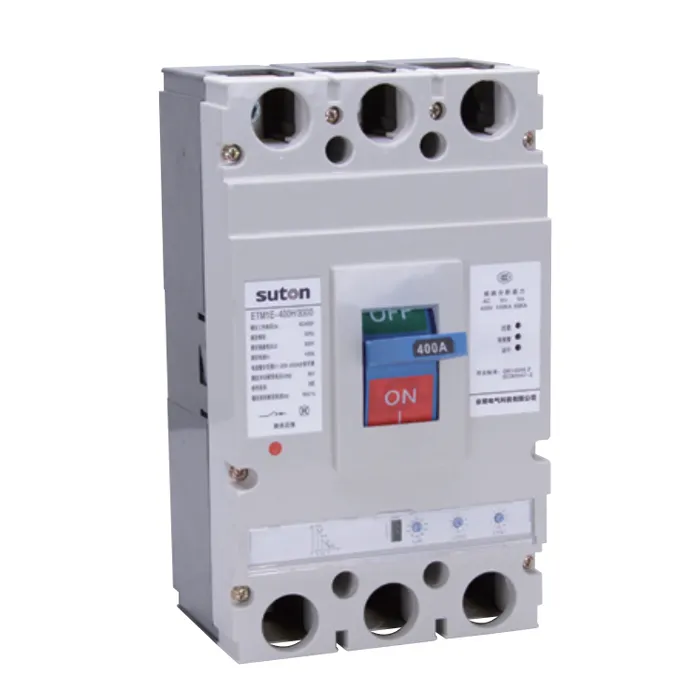
The busbar connection carries continuous load current and must survive the assembly’s specified short-circuit stress. Incorrect contact geometry, insufficient spring force or mismatched phase barriers can create heat, arcing or loss of clearance even when the breaker handle appears to fit.
Check the approved assembly documentation for:
- specified plug-in frame family and positions;
- busbar current and short-circuit withstand;
- permitted pole configurations and blanking pieces;
- cover, dead-front and handle clearance;
- accessory or interlock requirements.
IEC 61439-1 provides the assembly context: device ratings alone do not certify the finished panel. A qualified panel builder must maintain the intended construction and verification path.
Part 4. How do plug-in and bolt-on breakers differ?
Plug-in breakers support serviceability where the panel family is designed for them. Bolt-on devices favor fixed mechanical connection and may be used where frame size, current or fault duty calls for it.
| Decision factor | Plug-in | Bolt-on |
|---|---|---|
| Replacement speed | Fast within listed family | More assembly work |
| Interface control | Dedicated stabs/base required | Bolt pattern and torque required |
| Field flexibility | Limited to listed positions | Depends on panel construction |
| Verification focus | Busbar family and contact interface | Hardware, torque and clearances |
Neither form is inherently “better.” Select the form already supported by the approved assembly and service strategy.
Part 5. What is different about modular DIN rail devices?
Many low-voltage boards use DIN rail MCBs rather than plug-in stabs. These devices snap onto a rail and may receive line power from a comb busbar, distribution block or individual conductors.
Although a DIN rail MCB can look easy to substitute, verify its rail profile, busbar tooth geometry, module width, pole arrangement and upstream protection. See the circuit breaker guide for electrical selection and the SUTON modular DIN rail products category for product-family routing.
Part 6. How do you verify a plug-in selection?
Use a documented compatibility process:
- Identify the panel manufacturer, exact family and position.
- Confirm the interface from approved drawings or service documentation.
- Compare voltage, In, Icu/Icn, poles and trip characteristic.
- Verify branch conductor termination and accessory needs.
- Inspect busbar stabs, insulation barriers and dead front for damage.
- Carry out authorized functional and load commissioning after installation.
Fit Boundary
- Suitable when: panel family and approved plug-in interface are documented.
- Hold for engineering: unknown panel family, damaged stabs, altered busbar, missing fault-level data or mixed AC/DC duty.
- Do not assume: plug-in breakers are interchangeable across brands or across product generations.
Part 7. Which SUTON lines fit panel protection conversations?
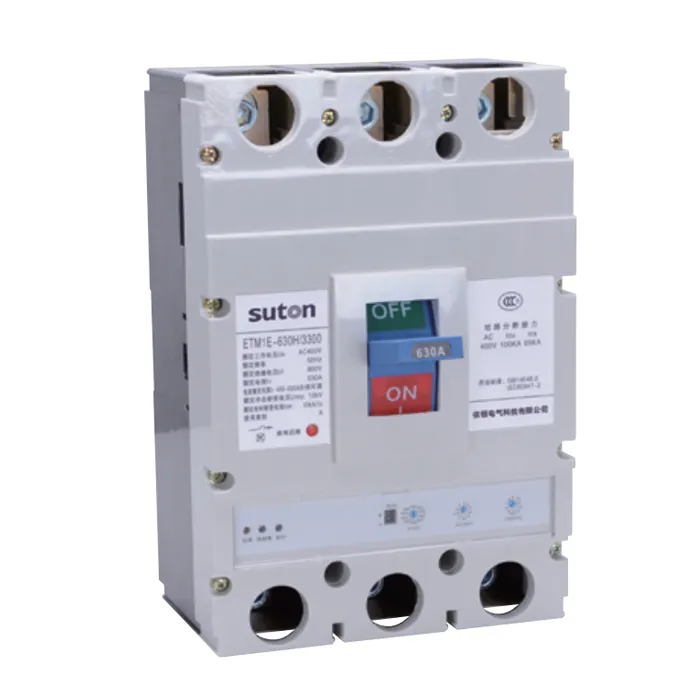
| Panel protection need | SUTON starting point | Confirmation needed |
|---|---|---|
| Modular branch protection | DZ47 Series MCB | Module, curve, poles, busbar interface |
| Modular product range | Modular DIN rail products | Assembly layout and protection role |
| Feeder / higher-current position | ETM3E intelligent MCCB | Frame, Icu, trip unit and terminals |
| Full device catalogue | Products | Project-specific route |
For a compatibility review, send panel nameplate photos, busbar/stab photos, single-line position, voltage, In, fault duty, poles, existing breaker markings and quantity to Contact SUTON.
FAQ
What is a plug-in circuit breaker?
A breaker made to connect to a specified panel busbar, stab or mounting base rather than using individual line-side lugs.
Are plug-in circuit breakers interchangeable between panel brands?
No. Interchangeability must be documented for the exact panel family and interface.
What must match between a plug-in breaker and its busbar?
The listed frame family, contact geometry, pole position, voltage, fault duty and assembly documentation.
How do plug-in and bolt-on breakers differ?
Plug-in devices mate with a dedicated interface; bolt-on devices fasten mechanically to the busbar or base.
Can I replace a plug-in breaker with the same amp rating?
Not without confirming panel family, busbar interface, poles, voltage, Icu/Icn and trip characteristic.
What information should I send for a plug-in breaker RFQ?
Panel and busbar photos, panel family, device markings, single-line position, voltage, current, fault level, poles and quantity.