


If you work in industrial automation, electrical panel manufacturing, building wiring or electrical component procurement, you must have encountered metal mounting strips inside control cabinets. These standardized mounting profiles are widely known as DIN Rail, the foundational hardware that organizes and secures low-voltage electrical devices worldwide. Many overseas electrical buyers and field engineers search for basic definitions, specification differences and procurement pitfalls of DIN rail every day, yet most online content is too technical or fragmented to solve practical on-site problems. This guide combines industrial manufacturing experience and global electrical standards to explain DIN rail in plain language, covering definitions, classifications, usage scenarios, selection tips and buyer FAQs to eliminate your procurement and installation confusion.
1. Basic Definition: What Exactly Is DIN Rail?
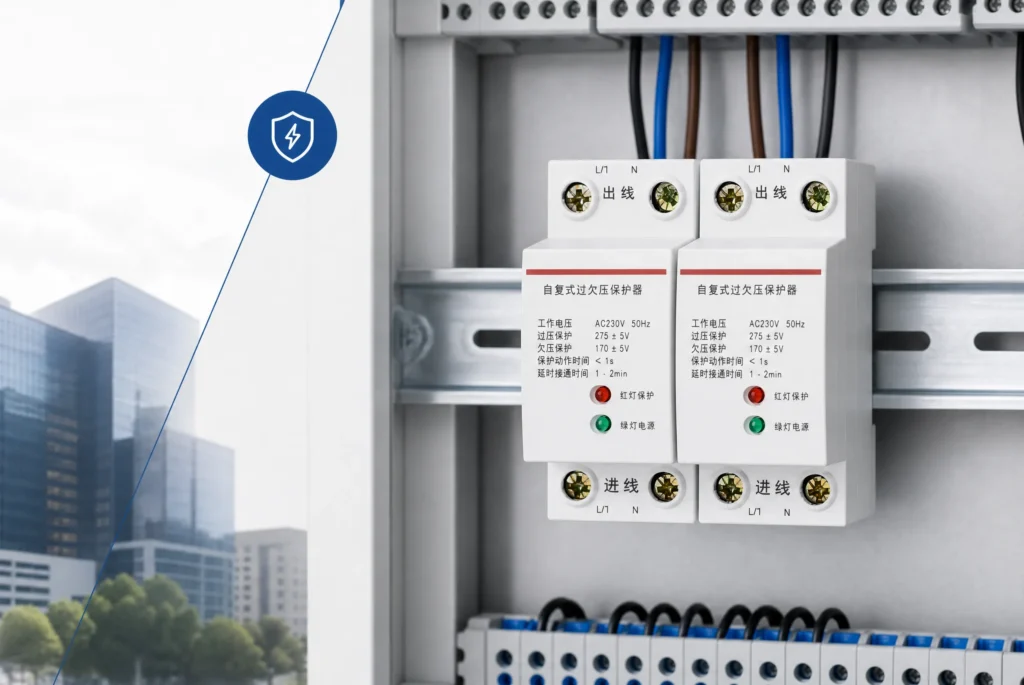
DIN rail refers to a standardized metal mounting rail designed for installing circuit breakers, relays, terminal blocks and other modular electrical components inside electrical enclosures. Its naming originates from Deutsches Institut für Normung (German Institute for Standardization), which released the first unified rail dimension standards in the 1950s to solve chaotic electrical hardware sizes across European factories.
Unlike customized mounting brackets, standard DIN rail features fixed cross-section sizes, pre-punched mounting holes and uniform clamping grooves. It allows electrical technicians to snap electrical devices into place without extra drilling, welding or screw positioning. This compatibility advantage makes it a universal fitting for global industrial electrical systems, rather than region-specific hardware.
2. What Is Modular DIN Rail? Core Difference From Standard Models
When browsing electrical supplier catalogs, you will frequently notice the term Modular DIN Rail, an upgraded iteration of traditional integral DIN rail optimized for large-scale panel assembly and logistics. Traditional one-piece DIN rail requires cutting, polishing and hole-drilling on construction sites, which causes material waste and uneven cutting burrs that scratch internal wiring.
Modular DIN rail adopts segmented splicing structure with unified docking interfaces. Each rail segment maintains international standard dimensional tolerance, and workers can splice short rail parts into customized lengths according to cabinet sizes. Its core advantages focus on bulk procurement, storage and on-site construction: it cuts inventory pressure for electrical distributors, reduces transportation breakage rates of long metal rails, and ensures consistent installation accuracy for cross-regional engineering projects.
Related long-tail keywords: modular mounting rail for control panels, spliced din rail for industrial wiring, pre-cut electrical din rail
3. Common DIN Rail Types and Industrial Applications
Based on cross-section shapes and IEC 60715 global electrical standards, mainstream DIN rail falls into three categories, matching different load-bearing and installation scenarios. We sorted practical application scenarios according to real bulk buyer feedback, avoiding obscure industry terminology:
Top-hat DIN Rail (35mm): The most mainstream type, suitable for PLCs, contactors, surge protectors and household distribution box accessories. It occupies over 80% of global electrical rail procurement volume, favored by panel manufacturers for its balanced load-bearing capacity and component compatibility.
C-shaped DIN Rail: Low-load lightweight model, mainly used for weak-current wiring, building fire alarm cabinets and communication equipment racks. It features thin thickness and low cost, ideal for non-high-current electrical projects.
G-type DIN Rail: Heavy-duty thickened rail, customized for high-power industrial equipment, heavy relays and large terminal blocks. It enhances anti-deformation performance, widely used in new energy power stations and heavy machinery control cabinets.
Related long-tail keywords: 35mm top hat din rail, heavy duty g type din rail, din rail for plc cabinet
4. Key Material Selection Guide for Bulk Buyers
Material selection directly decides DIN rail service life and after-sales cost, which is the biggest concern for overseas purchasing agents and electrical contractors. Unqualified low-cost rails easily suffer rust, bending deformation and device loosening, triggering circuit faults.
Cold-rolled carbon steel DIN Rail: Surface treated with zinc plating or blue passivation, cost-effective, suitable for indoor dry electrical cabinets. It is the best choice for regular bulk procurement of building wiring projects.
Stainless Steel DIN Rail: Anti-corrosion and anti-rust, adapted to outdoor power cabinets, coastal humidity environments and chemical plants. Although the unit price is higher, it cuts long-term replacement and maintenance costs.
Aluminum Alloy DIN Rail: Ultra-light weight, good heat dissipation, commonly matched with lightweight intelligent electrical cabinets; not recommended for heavy-load vibration workshops due to limited hardness.
5. Frequently Asked Questions (FAQ) From Global DIN Rail Buyers
5.1 Are DIN rail sizes universal worldwide?
Qualified DIN rail manufactured following IEC 60715 standards is fully universal. Some small informal factories produce non-standard modified rails with narrowed grooves; such products cannot match mainstream Siemens, Schneider and ABB electrical parts, leading to assembly failure. It is suggested to verify standard certificates before bulk orders.
5.2 Is modular DIN rail compatible with standard electrical devices?
Yes. Modular DIN rail only optimizes segmented splicing structure, and its clamping groove, thickness and width strictly follow global unified standards. All modular electrical components matching ordinary DIN rail can be installed normally without adapter accessories.
5.3 How to avoid rust problems for exported DIN rail?
For sea freight orders, choose trivalent zinc passivation surface treatment, and add moisture-proof vacuum packaging. For coastal destination projects, prioritize stainless steel materials to resist salt spray corrosion during long-term operation.
5.4 What is the bulk order lead time for customized DIN rail?
Conventional in-stock DIN rail can be delivered within 7 working days; customized hole spacing, thickness and surface color modular DIN rail takes 14 to 18 working days. We suggest overseas purchasers reserve buffer time to avoid engineering delays.
6. Common Procurement Mistakes to Avoid
Many first-time DIN rail buyers prioritize low prices and ignore hidden risks, causing project losses. The most frequent mistake is purchasing thin recycled steel rails. Recycled materials contain impurities, which lead to rail bending after component installation, resulting in loose circuit connection and hidden safety hazards. Second mistake is ignoring packaging standards for cross-border shipping; unprotected metal rails produce edge burrs during container transportation, affecting installation efficiency.
Professional electrical hardware suppliers will provide raw material test reports, standard certification documents and sea-freight dedicated packaging, helping buyers reduce customs detention and after-sales risk, which is also the core trust standard of Google E-E-A-T industrial content.
To sum up, DIN rail is the standardized mounting infrastructure connecting all modular electrical equipment, while modular DIN rail optimizes production, logistics and on-site installation links based on original standard dimensions. For electrical engineers and global procurement buyers, qualified standard specifications, matched materials and compliant manufacturing certifications are three core indicators for selecting high-quality DIN rail. Clarifying such basic industry knowledge can effectively avoid unqualified supplier cooperation, cut engineering operation risks and control cross-border procurement costs. If you have customized size inquiry, bulk quotation or standard verification demands, you can contact our professional electrical hardware team for one-stop technical support.