


As demand for safer and more reliable low voltage power distribution continues to grow, the air circuit breaker has become an important component in electrical panels, low voltage switchgear, industrial facilities, commercial buildings, and infrastructure projects. Buyers are no longer evaluating circuit protection only by price; they are increasingly considering breaking capacity, rated current, protection coordination, installation compatibility, quality assurance, and supplier reliability. According to the International Energy Agency, electricity demand continues to rise as electrification expands across industry, buildings, transport, and infrastructure, which makes reliable power distribution equipment more important for both new projects and system upgrades.
For electrical panel builders, switchgear manufacturers, engineering contractors, and OEM electrical project buyers, selecting the right air circuit breaker can help reduce operational risk and improve system continuity. However, common buyer concerns remain practical: whether the product meets project specifications, whether it complies with recognized standards, whether accessories are compatible, and whether the supplier can provide consistent quality, documentation, and delivery support.
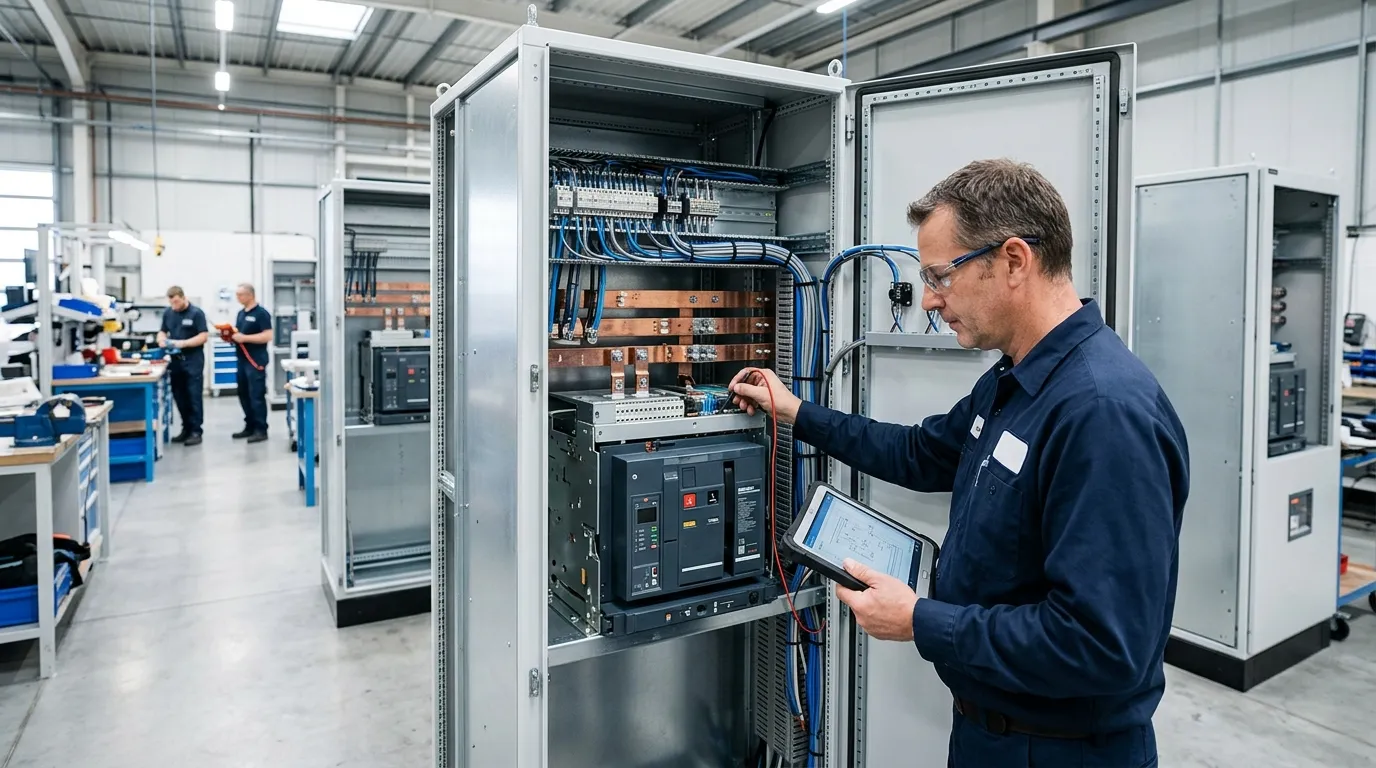
Market Demand for Air Circuit Breakers in Low Voltage Power Distribution
The demand for air circuit breakers is closely connected with the growth of low voltage power distribution systems. Manufacturing plants, commercial facilities, data centers, transportation projects, and public infrastructure all require stable circuit protection at the main distribution level. When electrical loads become more complex, an ACB circuit breaker is often selected for main incoming panels, feeder protection, and low voltage switchgear assemblies.
Industrial automation is one of the main forces behind this demand. Automated production lines, robotic systems, and process control equipment rely on continuous power supply. A failure in the main distribution system may stop production, increase maintenance costs, or affect downstream equipment. For this reason, buyers are paying more attention to selective protection, electronic trip units, maintainable structures, and reliable breaking performance.
Another factor is infrastructure modernization. In many markets, old electrical panels and power distribution systems are being upgraded to meet higher safety expectations and changing load requirements. Panel builders and electrical distributors often need air circuit breakers that can match existing cabinet dimensions while supporting updated technical requirements.
Key market drivers affecting buyer decisions include:
- Industrial automation: Automated equipment requires stable power supply and coordinated circuit protection to reduce unplanned downtime.
- Infrastructure upgrades: Retrofit projects often need breakers that fit existing panels while meeting modern safety and performance expectations.
- Commercial and data center growth: Continuous operation increases the importance of reliable low voltage switchgear and maintainable protection devices.
- Energy management: Adjustable protection settings and intelligent monitoring are becoming more relevant in modern power distribution systems.
In this environment, buyers are not only searching for an air circuit breaker supplier. They are also looking for a manufacturer that understands practical application conditions, technical documentation, quality control, and long-term cooperation.
How an Air Circuit Breaker Works in Electrical Panels and Switchgear
An air circuit breaker is designed to protect low voltage electrical circuits from overloads, short circuits, and fault conditions. It uses air as the arc-extinguishing medium and is commonly installed in main distribution panels, low voltage switchgear, motor control centers, industrial electrical systems, and commercial building power distribution systems.
Compared with smaller circuit protection devices, an air circuit breaker is usually selected for higher current applications and more demanding protection requirements. It can support adjustable protection settings, coordinated tripping, and easier maintenance in large electrical systems. For electrical panel builders, the breaker influences cabinet layout, busbar arrangement, thermal design, installation space, and maintenance access.
In a typical low voltage switchgear system, the air circuit breaker may serve as the main incoming breaker or a major feeder breaker. When a fault occurs, the breaker must detect abnormal current and interrupt the circuit safely. The contact system, arc extinguishing system, operating mechanism, and trip unit all work together to complete this process.
Note: Breaking capacity refers to the maximum short-circuit current that a circuit breaker can safely interrupt under specified operating conditions. For project safety, the selected breaking capacity should be higher than the expected fault current at the installation point.
For buyers comparing an ACB circuit breaker with an MCCB, the main difference is usually application level. MCCBs are often used for branch circuits or smaller loads, while air circuit breakers are more common in main distribution systems where higher rated current, adjustable protection, and maintainability are required.
Key Air Circuit Breaker Specifications Buyers Should Review
Before choosing an air circuit breaker, buyers should review technical specifications carefully. The correct selection depends on system voltage, load current, short-circuit current, installation method, protection coordination, and local project requirements. A mismatch in specifications may lead to nuisance tripping, insufficient protection, overheating, installation difficulty, or unnecessary project cost.
| Specification | Buyer Consideration |
|---|---|
| Rated current | Should match actual load demand and possible future expansion |
| Rated voltage | Must align with the low voltage power distribution system |
| Breaking capacity | Should exceed the expected short-circuit current at the installation point |
| Installation type | Fixed or withdrawable type should match panel design and maintenance needs |
| Trip unit | Electronic trip units allow more adjustable protection settings |
| Accessories | Auxiliary contacts, shunt release, undervoltage release, motor operator, and communication options should be confirmed before ordering |
Rated current and rated voltage are the first parameters buyers usually confirm. However, breaking capacity is often more critical from a safety perspective. If the available short-circuit current in the system is higher than the rated breaking capacity of the breaker, the device may not safely interrupt a fault.
Installation type is another important consideration. A fixed type air circuit breaker may be suitable for simpler panel structures, while a withdrawable air circuit breaker is often preferred in systems that require easier maintenance, inspection, or replacement. For panel builders, this choice affects cabinet dimensions, guide rails, interlock design, and front panel layout.
The trip unit also deserves careful attention. Electronic trip units can provide adjustable overload, short-time delay, instantaneous, and ground fault protection functions, depending on the model. For modern power distribution systems, these adjustable settings help improve coordination between upstream and downstream protective devices.
For electronic trip units, buyers may need to review long-time, short-time, instantaneous, and ground fault protection settings. These functions support protection coordination between upstream and downstream devices and help reduce unnecessary power interruption in industrial electrical systems. In projects where selective tripping is required, coordination between the main incoming breaker and downstream protective devices should be reviewed by qualified electrical engineers.
In practical purchasing, buyers searching for “air circuit breaker specification” or “how to choose an air circuit breaker” should avoid focusing on only one parameter. A good selection process reviews the entire system requirement, including load characteristics, ambient temperature, cabinet structure, accessories, and documentation needs.
From Component Selection to Assembly: Manufacturing Process of an Air Circuit Breaker
The manufacturing process of an air circuit breaker involves electrical design, mechanical precision, material selection, assembly control, and testing. Since ACBs are often used in critical low voltage power distribution systems, production consistency is important for long-term reliability.
The process usually begins with engineering design and technical review. Engineers evaluate rated current range, rated voltage, short-circuit breaking capacity, insulation distance, contact structure, arc extinguishing system, operating mechanism, and trip unit configuration. At this stage, the product must be designed not only for electrical performance but also for installation compatibility in electrical panels and switchgear assemblies.
Raw material and component inspection follows. Key components may include copper conductors, silver alloy contacts, insulation parts, springs, shafts, arc chutes, electronic trip units, auxiliary contacts, shunt releases, undervoltage releases, and motor operators. Consistent incoming inspection helps reduce variation between production batches.
The contact system is then assembled with attention to alignment, contact pressure, and material surface condition. During normal operation, the contacts carry continuous current. During a fault, they must open quickly and withstand high electrical stress. The arc extinguishing system, often built around arc chambers or arc chutes, helps control and extinguish the arc generated when the contacts separate.
Critical manufacturing areas that influence product reliability include:
- Contact system: Contact pressure, material conductivity, and wear resistance influence temperature rise and electrical endurance.
- Arc extinguishing system: Arc chamber design affects interruption performance during short-circuit conditions.
- Operating mechanism: Spring mechanism, linkage accuracy, and interlocks determine consistent opening and closing performance.
- Trip unit configuration: Protection logic and calibration affect overload, short-time, instantaneous, and ground fault response.
After mechanical assembly, the operating mechanism is installed and adjusted. This mechanism controls closing, opening, tripping, energy storage, and reset functions. For high-current circuit protection equipment, stable mechanical action is essential because the breaker may need to operate reliably after long periods of service.
Manufacturers with experience in complete-set high and low voltage equipment generally understand how an air circuit breaker interacts with panels, disconnectors, meters, capacitors, dual power supplies, and other LV equipment. This system-level manufacturing background can help buyers reduce configuration errors when the breaker is used as part of a broader electrical solution.
OEM Options for Panel Builders, Switchgear Manufacturers, and Project Buyers
Many international B2B buyers do not purchase air circuit breakers as isolated components. Panel builders need breakers that fit their cabinet design. Switchgear manufacturers require stable dimensions and repeatable configurations. Electrical distributors need consistent labeling, packaging, and documentation. OEM electrical project buyers may require customized accessories, private labeling, or long-term model continuity.
OEM options for an air circuit breaker may include rated current configuration, 3-pole or 4-pole design, fixed or withdrawable type structure, manual or motorized operation, electronic trip unit selection, auxiliary contact configuration, shunt release, undervoltage release, communication module, customized packaging, and wiring documentation.
For panel builders, installation compatibility is especially important. A small difference in terminal position, mounting size, withdrawable base structure, or accessory layout can affect cabinet assembly efficiency. For distributors, stable product identity and packaging help reduce after-sales confusion. For OEM project buyers, repeatable configuration and technical documentation are often more important than broad promotional claims.
Yidun Electrical Technology Co., Ltd. integrates scientific research, manufacturing, and sales, with product coverage including circuit breakers, dual power supplies, disconnectors, instruments, meters, and power capacitors. For B2B buyers, this broader LV equipment background is relevant because OEM support often requires understanding how different electrical components work together inside a complete power distribution system.
The most useful OEM support is usually practical: confirming drawings, matching accessories, clarifying trip unit settings, preparing datasheets, and ensuring packaging and labeling meet project or market requirements.
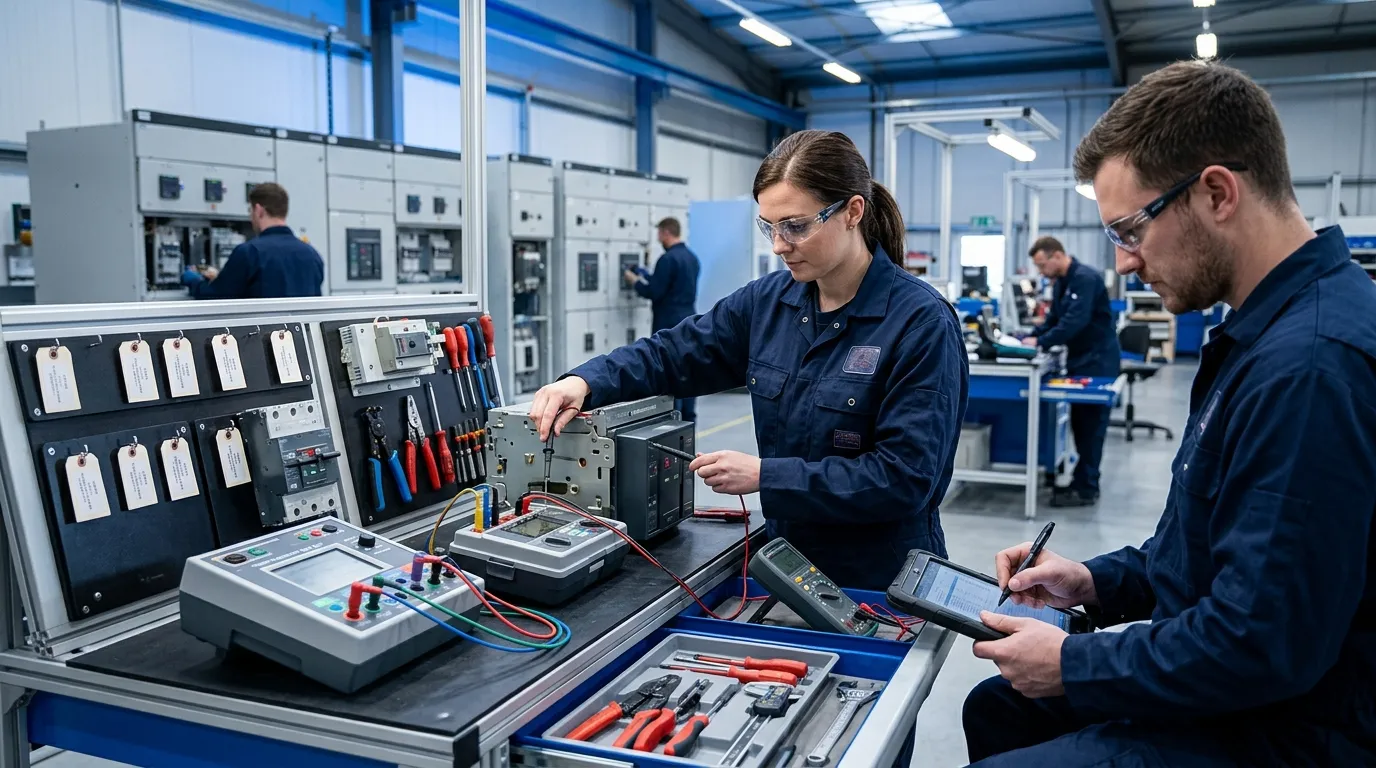
Quality Assurance, Testing, and IEC 60947-2 Compliance
Quality assurance for air circuit breakers should cover the full production process, from incoming component inspection to final shipment. Since these products are used in low voltage switchgear and industrial electrical systems, testing should not be limited to appearance checks. Mechanical function, electrical performance, accessory operation, and documentation accuracy all matter.
| QA Stage | Practical Purpose |
|---|---|
| Incoming inspection | Checks material consistency, insulation parts, contacts, springs, and electronic components |
| Assembly inspection | Confirms contact alignment, torque control, mechanism movement, and accessory installation |
| Functional testing | Verifies opening, closing, tripping, energy storage, and reset performance |
| Electrical testing | Reviews insulation resistance, dielectric withstand, contact resistance, and trip calibration |
| Final inspection | Confirms model configuration, labeling, packaging, accessories, and documentation before shipment |
Incoming inspection helps control the quality of core materials such as copper conductors, contacts, insulation components, and electronic parts. During assembly, inspectors check contact alignment, screw torque, mechanism movement, and accessory installation. Functional tests confirm opening, closing, tripping, energy storage, and reset operation. Electrical tests may include insulation resistance, dielectric withstand, contact resistance, and trip calibration.
Note: IEC 60947-2 is a widely referenced international standard for low-voltage circuit breakers. It covers performance requirements and testing methods related to rated current, rated voltage, short-circuit capacity, and trip characteristics.
The IEC 60947-2 standard, published by the International Electrotechnical Commission, defines key performance and testing requirements for low-voltage circuit breakers. It is an important reference for buyers evaluating rated current, rated voltage, short-circuit breaking capacity, trip performance, and project suitability. While different markets may require additional local certifications or documents, IEC-based technical review is widely used in international electrical projects.
Quality assurance is also connected with production management. A supplier with stable production processes, advanced testing equipment, and documented inspection procedures can help buyers reduce project risk. According to the company information provided by Yidun Electrical Technology Co., Ltd., its quality positioning emphasizes advanced testing equipment, stable production, and strict quality management. In a B2B procurement context, buyers should still verify relevant certificates, test reports, and model documentation according to their specific project requirements.
Practical Buying Guidance for International B2B Buyers
Before requesting a quotation, buyers should provide enough technical information for the supplier to confirm the correct configuration. In most projects, the most important details include rated current, rated operational voltage, required breaking capacity, pole number, installation type, trip unit selection, accessory requirements, certification expectations, and delivery schedule. If the breaker will be installed in a new electrical panel, drawings or cabinet dimensions can help reduce the risk of mounting mismatch.
When comparing air circuit breaker price, buyers should check what is included in the quotation. Some quotations may include only the basic breaker, while others may include withdrawable base, motor operator, shunt release, undervoltage release, auxiliary contacts, electronic trip unit, packaging, or technical documentation. Comparing only the unit price without confirming configuration may lead to inaccurate procurement decisions.
Buyers should also evaluate the supplier’s communication process. For panel builders and OEM projects, delayed technical confirmation can affect cabinet design and production schedules. For distributors, unstable model configuration or inconsistent packaging may increase after-sales work. For engineering contractors, missing datasheets, wiring diagrams, or test documents can delay project approval.
An effective supplier evaluation should include product specifications, manufacturing capability, inspection procedures, documentation support, OEM flexibility, delivery stability, and experience with international markets. For suppliers serving markets such as South America, Southeast Asia, the Middle East, Eastern Europe, and Africa, documentation consistency, logistics coordination, and responsive communication are especially important for long-term cooperation.
Why Supplier Capability Matters Beyond Product Price
In B2B manufacturing procurement, price is important, but it is rarely the only factor that determines long-term value. Air circuit breakers are used in systems where safety, continuity, and maintenance efficiency matter. A low-cost product that lacks clear specifications, accessory support, or test documentation may create additional risk after installation.
For electrical panel builders, supplier capability affects cabinet production efficiency. If dimensions, accessories, or wiring information are unclear, assembly may be delayed. For switchgear manufacturers, stable production batches and consistent mechanical structure help maintain repeatable cabinet designs. For electrical distributors, clear product labeling, packaging, and certificates support local sales and customer service. For OEM electrical projects, customized configuration, model continuity, and engineering communication are essential.
A practical evaluation of an air circuit breaker manufacturer should include technical documentation, production process control, testing procedures, OEM support, communication efficiency, and after-sales response. These factors help reduce procurement risk and support more predictable project execution.
For buyers seeking a long-term partner in LV electrical equipment, a manufacturer with a broad product foundation, quality management awareness, and international supply experience may provide better practical support than a supplier focused only on single-order pricing. Yidun Electrical Technology Co., Ltd., with its background in research, manufacturing, sales, and complete-set high and low voltage equipment, can be considered during supplier comparison when buyers need coordinated support for circuit breakers and related LV electrical products. Final selection should still be based on verified specifications, project requirements, and applicable certification documents.
Editorial Note
Product specifications, certification requirements, and applicable standards may vary by project, target market, and installation environment. Buyers should confirm final technical requirements with qualified electrical engineers and review supplier documentation, test reports, certificates, and installation conditions before ordering.
Frequently Asked Questions About Air Circuit Breakers
1. What is an air circuit breaker used for?
An air circuit breaker is used to protect low voltage electrical circuits from overloads, short circuits, and fault conditions. It is commonly installed in main distribution panels, low voltage switchgear, industrial facilities, commercial buildings, and infrastructure power systems.
2. How do I choose the correct air circuit breaker specification?
Buyers should review rated current, rated voltage, breaking capacity, pole number, installation type, trip unit functions, accessories, and applicable standards. Project drawings and short-circuit current calculations are helpful for accurate selection.
3. What is the difference between a fixed type and a withdrawable air circuit breaker?
A fixed type air circuit breaker is mounted directly inside the panel, while a withdrawable air circuit breaker can be racked in and out for easier maintenance or replacement. Withdrawable designs are often used in systems where service continuity and maintenance access are important.
4. Why is breaking capacity important?
Breaking capacity determines whether the breaker can safely interrupt the expected short-circuit current. If the selected breaker has insufficient breaking capacity, it may not provide safe protection during a fault condition.
5. Can an air circuit breaker be customized for OEM electrical projects?
Yes. Common OEM options include trip unit selection, accessory configuration, fixed or withdrawable design, motorized operation, labeling, packaging, wiring diagrams, and documentation support. Buyers should confirm customization requirements before ordering.
6. Which standard is commonly used for air circuit breakers?
IEC 60947-2 is commonly referenced for low-voltage circuit breakers. Depending on the target market, additional local standards, certifications, or project documents may also be required.
7. What information should buyers provide before requesting a quotation?
Buyers should provide rated current, rated voltage, breaking capacity, pole number, installation type, trip unit requirements, accessory needs, quantity, certification expectations, and delivery schedule. Cabinet drawings are useful when the breaker is intended for panel assembly.
8. How can buyers evaluate an air circuit breaker supplier?
Buyers can evaluate a supplier by reviewing technical datasheets, test procedures, quality management process, OEM capability, documentation support, delivery stability, communication efficiency, and experience with international B2B projects.
References
- International Electrotechnical Commission, IEC 60947-2: Low-voltage switchgear and controlgear – Part 2: Circuit-breakers. This standard is referenced for low-voltage circuit breaker performance, rated current, rated voltage, short-circuit breaking capacity, and testing requirements.
Official standard page:
https://webstore.iec.ch/en/publication/7428 - International Electrotechnical Commission, IEC 60947 Series: Low-voltage switchgear and controlgear. The IEC 60947 series provides the broader standards framework for low-voltage switchgear and controlgear used in industrial and commercial electrical systems.
Official IEC Webstore search page:
https://webstore.iec.ch/searchform&q=IEC%2060947 - International Energy Agency, Electricity Market Report. This report is referenced for general trends in electricity demand, electrification, power system development, and infrastructure-related energy consumption.
Official report page:
https://www.iea.org/reports/electricity-market-report-2025 - IEEE Standards Association, Industrial power distribution standards search. This reference supports general engineering context for industrial power distribution design and protection coordination.
Official IEEE Standards search page:
https://standards.ieee.org/search/?q=industrial%20power%20distribution