


30 amp double-pole breaker selection starts with circuit arrangement, not the label alone. Confirm pole duty, load connection, conductor inputs, terminals and panel fit before treating a device as a project choice.
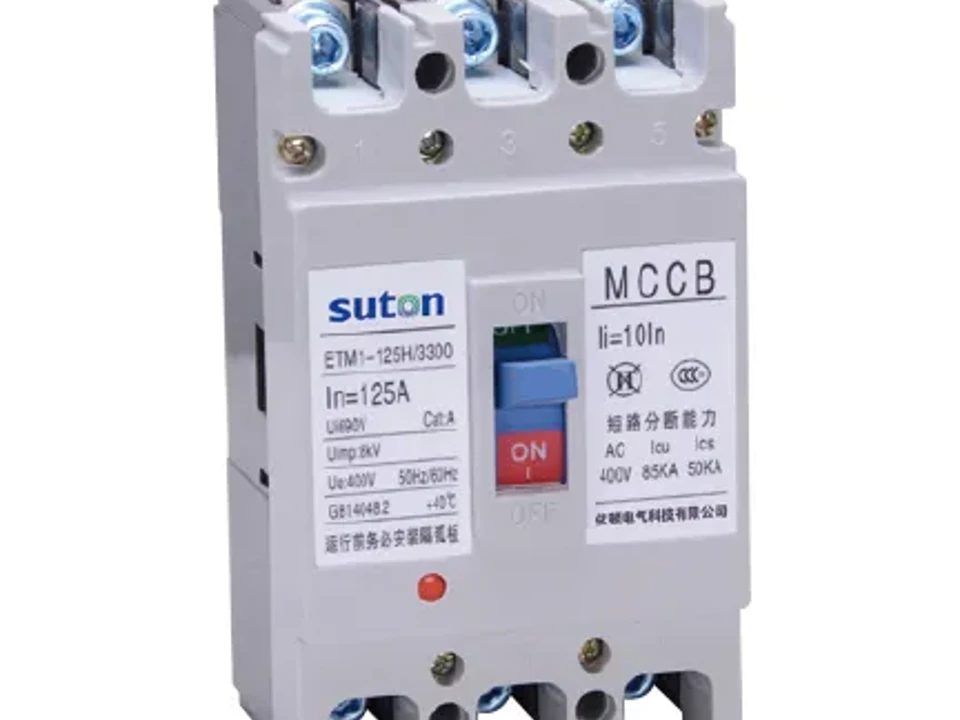
Part 1. What does double-pole mean in a panel?
A two-pole device is a circuit-configuration question. The project drawing must show how the poles are used and what the device is expected to protect or isolate; a two-pole label is not proof of a universal application.
| Review item | Buyer question |
|---|---|
| Pole duty | Which conductors are switched or protected? |
| Load arrangement | What equipment and circuit topology are served? |
| Panel position | Is the device an outgoing branch, feeder or other defined role? |
Part 2. Which circuit arrangement must be confirmed?
Record the single-line reference, system arrangement, source, destination and required isolation behaviour. Do not infer a project topology from “double pole” in a quotation title.
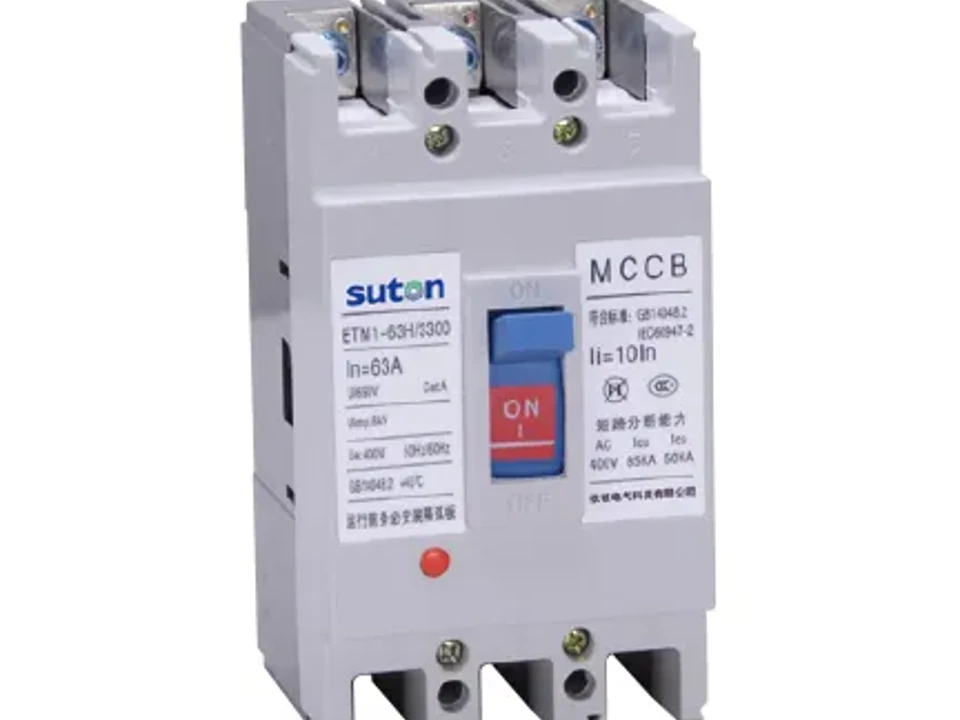
Part 3. Which load and conductor inputs matter?
State load duty, conductor construction, installation method, route, terminals and governing rules. Cableizer ampacity documentation shows why conductor and thermal inputs cannot be replaced by a breaker label.
Important: Never treat a 30 A double-pole label as proof of conductor size, local compliance or project suitability. The design authority must verify the actual circuit and product data. Source: Fluke electrical resources.
Part 4. How do panel and terminal constraints affect fit?
Check available ways, busbar or terminal interface, conductor entry, enclosure space, labelling and maintenance access. The product must fit the approved assembly, not only the nominal current description.
| Buyer should provide | Why it matters |
|---|---|
| Panel drawing and way position | confirms physical and functional location |
| Terminal/conductor details | confirms connection review inputs |
| Load and protection role | prevents a generic device substitution |
Part 5. Which inputs belong in the quote?
Include the single-line, pole duty, system arrangement, load, conductor data, route, terminals, panel constraints, required documents, quantity and governing project rules. This guide is for panel builders defining a reviewable two-pole requirement; it is not field wiring instruction, a certificate or a model-selection approval.
Part 6. When should a buyer review a modular route?
Review Modular DIN Rail Products and the DZ47 Series Miniature Circuit Breaker after the circuit inputs are fixed. The existing double-pole MCB guide explains the broader device family; this article adds the combined 30 A and panel-fit boundary.
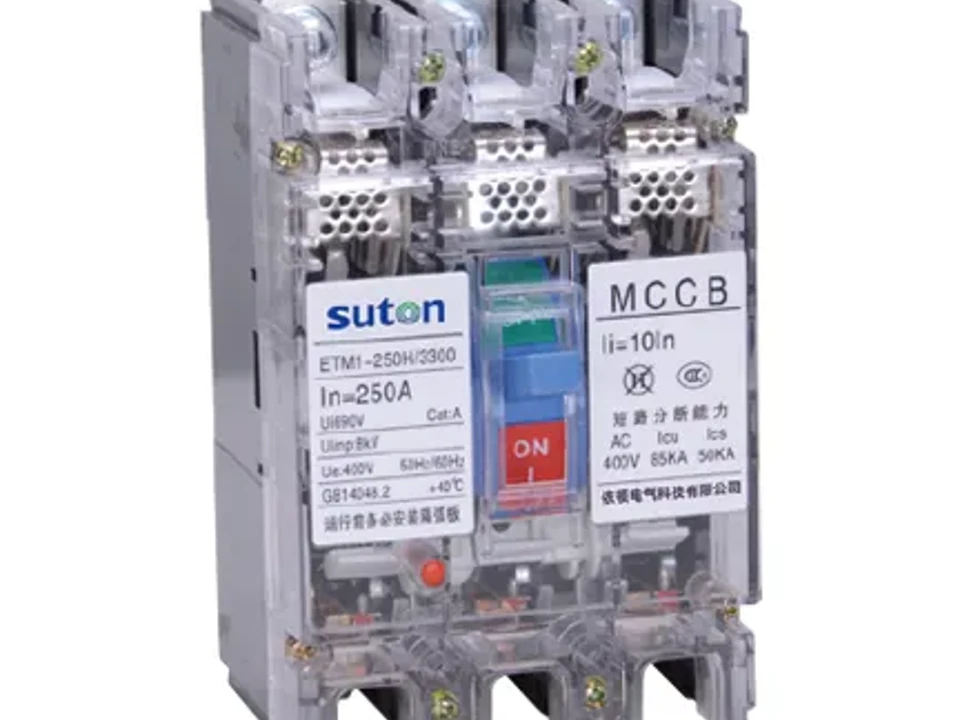
Send the drawing, circuit data and terminal requirements through Contact SUTON for a product-route discussion.
FAQs
What does double-pole mean?
It identifies a two-pole circuit-device configuration; the project drawing still defines the actual duty.
Is 30 A enough to select the device?
No. Pole duty, load, conductor, terminals and panel fit are also required.
Does double-pole always mean the same circuit arrangement?
No. Arrangement and isolation requirements depend on the approved project design.
Does the breaker label select the conductor?
No. Conductor and installation conditions require a separate review.
What must a panel builder send in an RFQ?
Send the single-line, pole duty, load, conductor, route, terminal, panel and rule-set information.
Can the public product page prove project fit?
No. Confirm applicable data-sheet facts and the approved design before selection.