


An auxiliary contact reports a breaker state to a separate control or indication circuit; it does not perform the breaker’s overcurrent protection and it is not the same as a shunt trip. The correct selection starts with the host breaker, the required state logic and the control-circuit drawing. A catalogue name alone is not enough to prove fit.
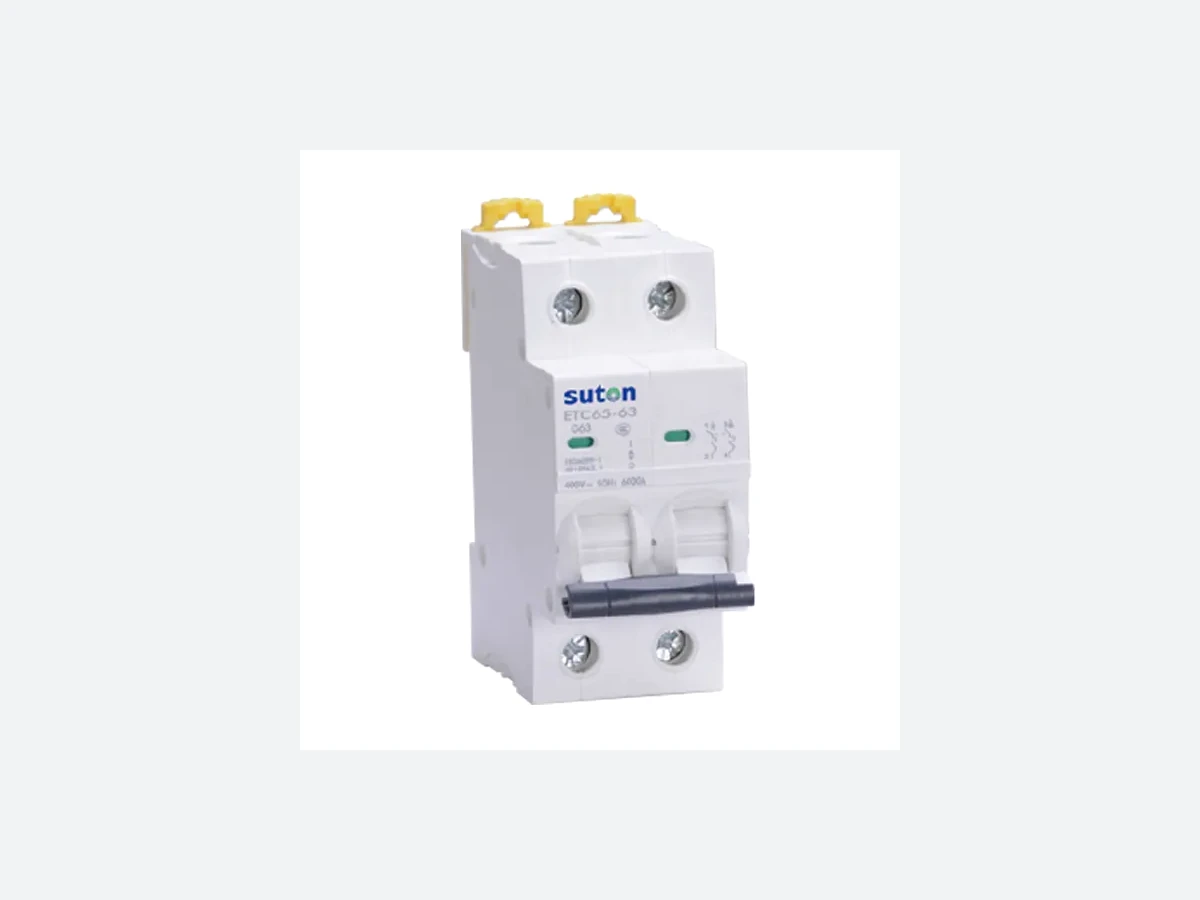
This guide focuses on status signalling for panel builders. Use modular DIN rail products to navigate the wider family, and compare the separate shunt trip guide when the requirement is to open a breaker from a remote command.
Part 1. What does an auxiliary contact do?
An auxiliary contact is a signalling interface mechanically associated with a host device. Its purpose is to report a state—such as an open or closed condition—to a control, indication or monitoring circuit. The host breaker continues to perform its own protective function; the auxiliary contact does not replace that function.
The distinction matters during procurement. A shunt trip is selected to initiate an opening action through a compatible release, while an auxiliary contact communicates a state after the host mechanism changes. Some projects use both, but the drawing must identify them separately.
| Function | What it communicates or does | What it does not prove |
|---|---|---|
| Auxiliary contact | Reports a host-device state | It does not add overcurrent protection |
| Shunt trip | Initiates a remote opening action when supported | It does not define status feedback by itself |
| Alarm contact | Reports a specified trip/alarm condition when supported | It does not establish universal compatibility |
| Host breaker | Provides the primary protective function | It does not accept every accessory family |
Important: Never treat a status contact as a protective device or assume that an auxiliary contact can be used for an emergency function without the approved control design and manufacturer instructions (IEC 60947-2).
Part 2. Which status signal should the drawing describe?
The drawing should state what the control system needs to know and when it needs to know it. “Auxiliary contact” is a starting label; the useful specification identifies the normal state, the change-of-state condition, the receiving circuit and the reset or acknowledgement logic.
NO and NC are circuit-logic descriptions, not universal promises about a particular attachment. The selected contact arrangement and terminal marking must be checked against the host-device documentation. In practice, a panel schedule should show the signal destination, wire identifiers and the state expected during normal operation.
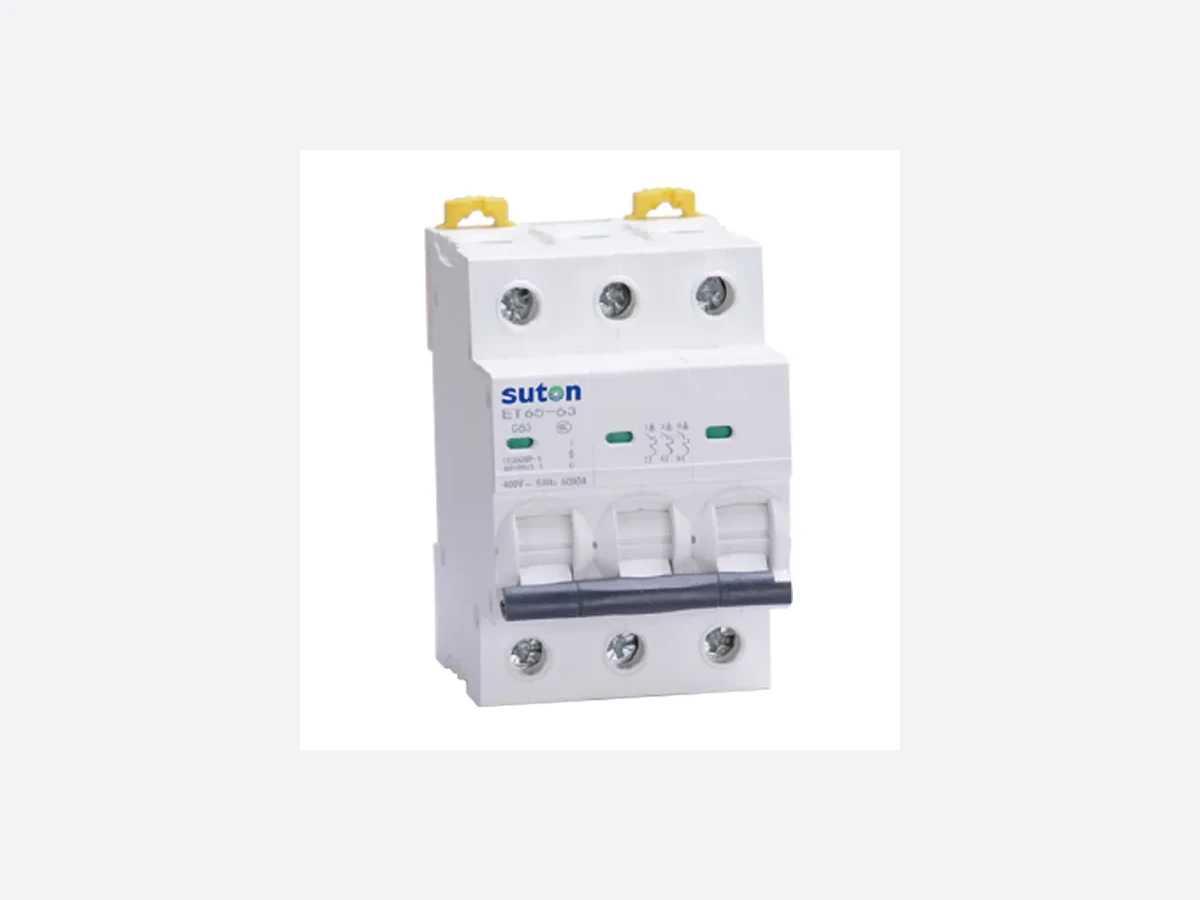
| Drawing item | Example of a useful description | Why it prevents rework |
|---|---|---|
| Normal state | State expected with the host breaker in service | Makes the indication testable |
| Change event | Open, close, trip or specified alarm condition | Avoids ambiguous “status” language |
| Logic contact | NO/NC requirement as shown in the control design | Aligns the interface with the receiver |
| Receiving circuit | PLC input, lamp, relay or monitoring input | Exposes interface constraints |
Part 3. What makes an accessory compatible with a breaker?
Compatibility is a relationship between the accessory and the exact host device, not a property of the phrase “auxiliary contact.” Confirm the breaker series, frame, pole arrangement, accessory position, terminal system and any restrictions in the manufacturer’s instructions. If the drawing changes the host family, the accessory review must be repeated.
The SUTON DZ47 Series MCB page publicly lists OF auxiliary contacts and shows attachment-code notation. That is useful evidence that the family has an accessory route; it is not evidence that every DZ47 variation or every other breaker accepts the same part.
| Compatibility check | Evidence to request | Selection consequence |
|---|---|---|
| Host series and frame | Exact model and current device schedule | Filters the accessory family |
| Mounting position | Assembly drawing or instructions | Prevents mechanical interference |
| Contact arrangement | Accessory marking and control schematic | Aligns signal logic |
| Terminal/interface data | Datasheet and panel wiring schedule | Supports safe termination review |
| Related releases | List of shunt, undervoltage or alarm accessories | Avoids mutually incompatible combinations |
Part 4. Which control-circuit details matter?
Control-circuit information should be recorded before a quotation is compared. State the receiving device, circuit segregation, terminal numbering, expected switching duty and the verification method. Cableizer’s documentation is a useful vocabulary reference for documenting circuit inputs, but it does not select a SUTON accessory or establish project compliance.
Keep the status circuit distinct from the power path in the drawing. Label wires at both ends, reserve the intended terminal space, and define how an open-circuit or missing signal is treated. These details turn a status request into a buildable interface without claiming an unverified terminal rating.
The Fluke electrical learning resources also reflect a practical troubleshooting principle: identify the circuit and test point before interpreting an indication. Apply that discipline to commissioning rather than assuming a lamp or PLC state proves the breaker’s full protective performance.
Part 5. How should accessory options be compared?
Compare accessory offers using the same host-device and signal information. A low-price line item that omits the contact logic, mounting position or receiving circuit can create a wiring change later. The following table is the minimum quote record for a panel-builder review.
| Quote input | Why it changes the review | Buyer should state |
|---|---|---|
| Host breaker series, frame and poles | Accessory family is device-specific | Model and schedule reference |
| Desired state and NO/NC logic | Determines the signalling arrangement | Normal and changed states |
| Receiving circuit | Determines interface documentation | PLC, lamp, relay or monitor |
| Mounting and terminal constraints | Affects panel build and wiring | Layout or terminal drawing |
| Quantity and documents | Makes offers comparable | Quantity, drawings and instructions |
Do not compare an auxiliary contact with a shunt trip as if they were interchangeable. If both functions are required, list them as separate lines and show their relationship in the control schematic.
Part 6. Where can a SUTON modular route fit?
The public DZ47 Series MCB route is a logical starting point for a modular breaker request because the page lists an OF auxiliary-contact option. The exact model, attachment code, contact logic and installation arrangement still require confirmation against the released panel design.
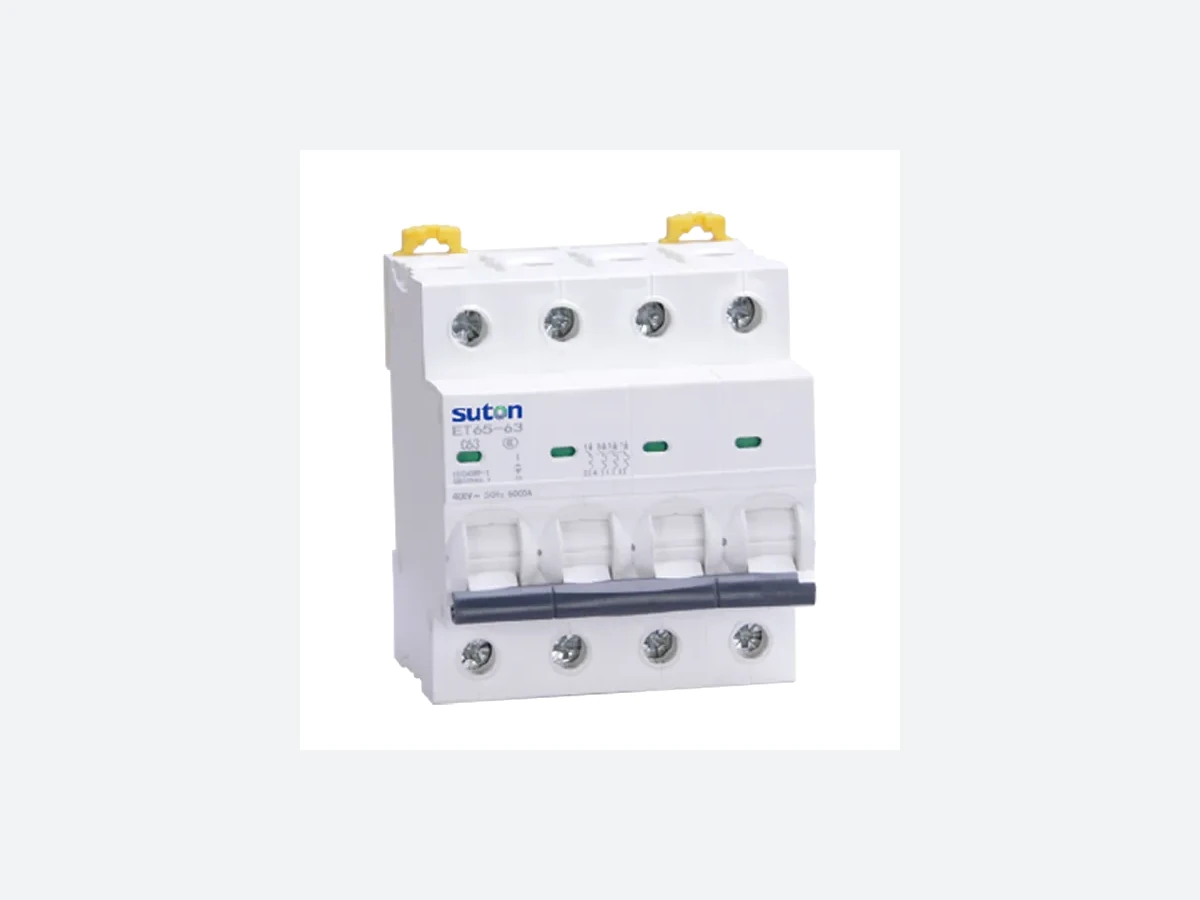
Fit boundary: this route is suitable for an inquiry that names the host family and status requirement. It is not a substitute for a verified accessory drawing, and it is not appropriate to infer a safety, alarm or remote-trip function from a product photograph.
Send SUTON the host-device schedule, required state logic, receiving circuit, mounting constraints, quantity and documentation needs through contact SUTON. A complete record lets the supplier confirm the relevant accessory path without turning an unverified assumption into a build instruction.
FAQs
Is an auxiliary contact a shunt trip?
No. An auxiliary contact reports a host-device state; a shunt trip is an opening accessory when the host device supports that function. A project may require one or both.
What do NO and NC mean here?
They describe contact logic in the control circuit. Use the released accessory marking and schematic to define the normal and changed states for the chosen host device.
Can every breaker accept an auxiliary contact?
No. Compatibility depends on the exact series, frame, mounting arrangement and accessory documentation. A family page is a starting point, not a universal interchangeability statement.
Which drawing details are needed?
Show the host model, required state, receiving circuit, terminal labels, wire identifiers and any related release or alarm function.
What belongs in an accessory inquiry?
Include the host breaker schedule, contact logic, receiving device, mounting constraints, quantity and the documents required for review.
Which SUTON product route is relevant?
The DZ47 Series MCB page is the public modular route that lists OF auxiliary contacts. Confirm the exact accessory and host configuration before ordering.