


A circuit breaker trip is the automatic separation of contacts when current or fault conditions exceed calibrated limits—shown by a handle in the trip position until the cause is cleared and the device is reset. Contractors troubleshoot trips by separating overload, short-circuit, leakage and voltage events before replacing hardware.
Start with the circuit breaker operating guide for device fundamentals and the home circuit breaker guide when trips occur on residential branch circuits.
Part 1. What happens during a circuit breaker trip?
When protective elements detect a fault, the trip unit releases the mechanism, contacts open and current stops. Operators see the handle between full on and off—the trip state.
A trip differs from manually switching off:
| Event | Handle state | Typical cause |
|---|---|---|
| Manual OFF | Fully off | Planned isolation |
| Trip | Middle position | Overload, short circuit, leakage, arc fault or voltage anomaly |
| Reclose after trip | Returns to ON only after reset sequence | Fault cleared |
Document the circuit, load type and ambient conditions each time a circuit breaker trip repeats on the same feeder.
Part 2. How does thermal overload tripping work?
Thermal elements (bimetal or electronic memory) respond to sustained current above rated In. Heat accumulates over minutes or tens of seconds depending on curve.
Overload trip signs:
- handle trips after prolonged high load, not instantly;
- no loud arc flash at the moment of trip;
- conductor or load was running hot before the event.
Corrective actions include verifying design current, checking for blocked cooling, confirming curve B/C/D selection and ensuring the breaker In is not undersized for continuous duty.
Compare the trip timing with nameplate curve bands in the manufacturer datasheet—thermal trips should fall within expected minutes-to-trip for the observed overload multiple.
Part 3. How does magnetic short-circuit tripping work?
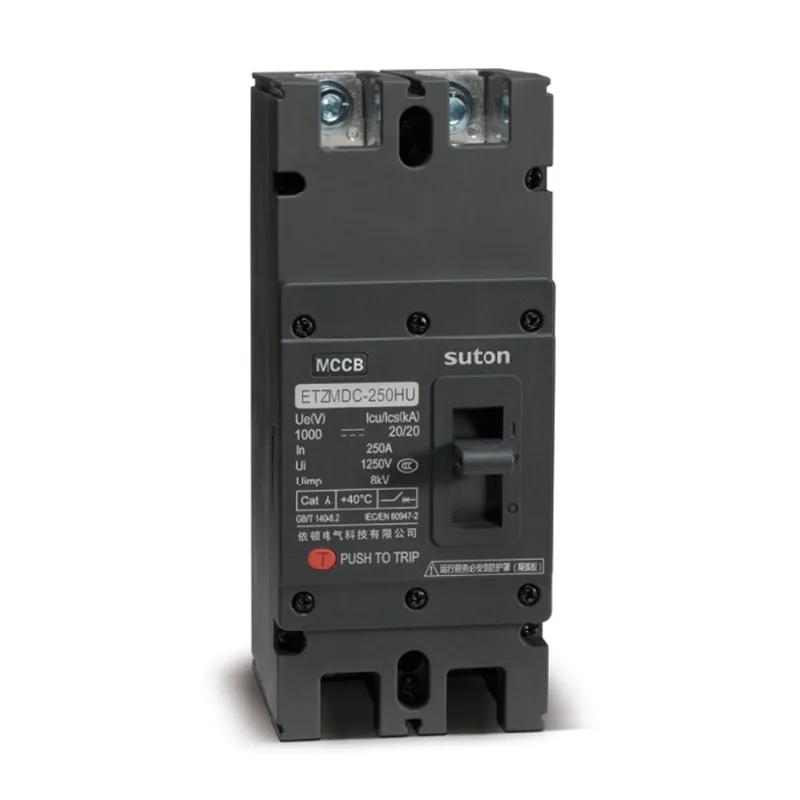
Magnetic coils respond to high fault current within milliseconds. This is the fast circuit breaker trip that limits let-through energy during a bolted fault.
Short-circuit trip signs:
- instantaneous trip with high fault current present;
- visible arc or damage if reclosed into a fault;
- upstream devices may also operate if selectivity is not achieved.
Panel builders must size Icu so the device can interrupt prospective fault current at its terminals—see the MCCB selection guide for feeder-level trips.
If oscilloscope or event-recorder data is available from intelligent breakers, attach waveforms showing current at trip time—this separates true faults from marginal inrush trips during commissioning.
Part 4. What about earth-fault and specialty trips?
Not every trip is thermal-magnetic overload or short circuit.
| Trip source | Device type | What to check |
|---|---|---|
| Earth leakage | RCCB / RCBO / ELCB | Insulation, moisture, cable damage |
| Arc fault | AFCI module | Branch wiring, damaged cords |
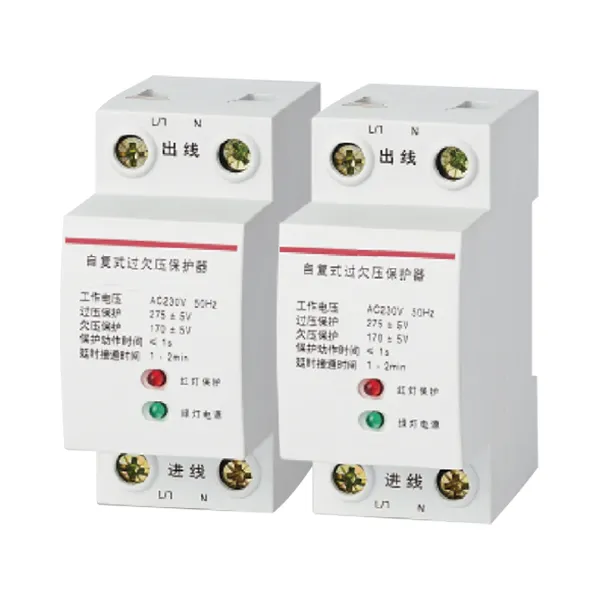
| Over/undervoltage | Voltage protector | Grid events, loose neutral |
| Motor overload | Motor circuit protector / thermal relay | Inrush settings, mechanical jam |
Read the residual current circuit breaker guide and arc fault circuit breaker guide when specialty modules trip without obvious overcurrent.
Separate leakage trips from overload trips in your service report—mixing them leads to incorrect breaker replacements and repeated call-backs on the same circuit.
Part 5. Why do contractors see nuisance circuit breaker trips?
Nuisance trips are protective operations that appear unnecessary to the operator—but often indicate a margin problem.
Common causes:
- Wrong curve: curve B on motor or transformer inrush.
- Undersized In: continuous load near nameplate without diversity applied correctly.
- Loose termination: heating and intermittent overload.
- Leakage on damp circuits: RCBO or RCCB trips below overcurrent threshold.
- Voltage swell or sag: modules like DZ47-63V1 trip on voltage criteria, not current alone.
- Coordination gap: downstream fault trips upstream device first.
For motor branches, coordinate with the motor circuit protector guide before changing breaker size.
Keep a trip log on recurring commercial tenants: the same feeder tripping every Monday morning may track to a scheduled load, not a failing breaker.
Part 6. What is the safe reset procedure after a trip?
- Move the handle fully to OFF if it rests in trip.
- Inspect the circuit for obvious faults, overheating or moisture.
- Measure insulation or load where tools and qualifications allow.
- Reset according to manufacturer sequence—often OFF → ON, never force past trip.
- If the breaker trips again immediately, stop and isolate for investigation.
Fit Boundary
- Safe to reset once: single trip after a known temporary overload (e.g., portable tool on a long cable) with no damage visible.
- Do not reset into a fault: repeated instant trips on reclose indicate short circuit or wrong device.
- Escalate: trips without measurable overcurrent—check leakage, voltage and mechanical loads.
Record ambient temperature and installation age when logging repeat trips—heat reduces effective capacity and can push marginal loads into thermal trip during summer commissioning.
Part 7. How can SUTON devices and data reduce repeat trips?
| Issue | SUTON direction |
|---|---|
| Branch overload / short circuit | DZ47 MCB with correct curve |
| Leakage trips | DZ47LE RCBO or grouped RCCB strategy |
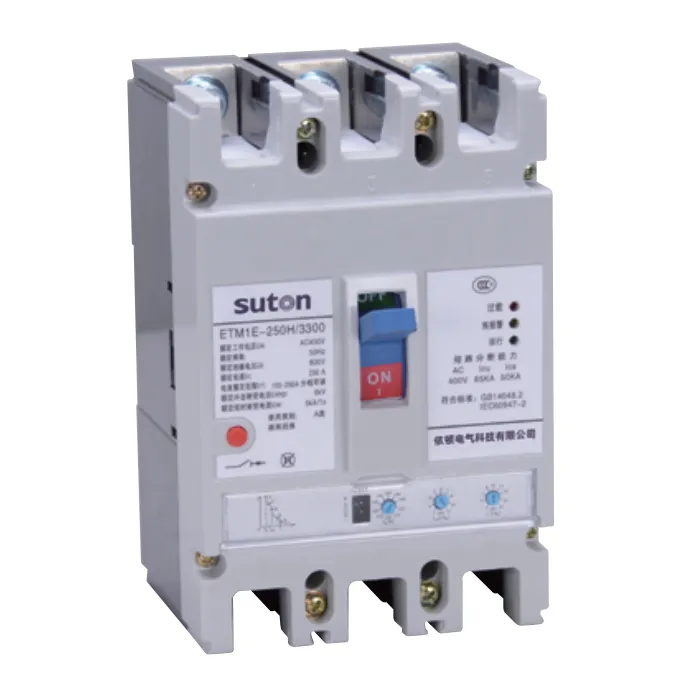
| Feeder trips needing adjustment | ETM3E intelligent MCCB for measurable trip events |
| Molded-case branch trips | ETM1 Series MCCB with verified curve and In |
| PV DC faults | ETZM PV DC breaker |
| Voltage-related trips | DZ47-63V1 / DZ47-125V1 protectors |
Troubleshooting RFQ data: trip type (instant vs delayed), approximate current, load description, ambient temperature, installation age, photos of handle and terminals, and event log from intelligent devices. Send via Contact SUTON.
FAQ
Why does a circuit breaker trip?
Overload, short circuit, earth leakage, arc faults or voltage anomalies exceed the device’s calibrated trip threshold.
What is the difference between overload trip and short-circuit trip?
Overload trips are slower thermal events; short-circuit trips are fast magnetic operations on high fault current.
How do trip curves reduce nuisance tripping?
Higher curves (C/D) tolerate inrush; curve B is more sensitive—match curve to load type.
Can a ground fault cause a circuit breaker to trip?
Yes on RCBO/RCD devices; standard MCBs do not detect earth leakage unless paired with leakage modules.
Is it safe to reset a tripped circuit breaker immediately?
Only after confirming the fault is cleared; immediate re-trip means stop and investigate.
What data helps a manufacturer troubleshoot repeated circuit breaker trips?
Load type, trip timing, current estimate, voltage events, installation photos, curve/In marking and event logs.