


A surge protector breaker arrangement is a panel design question — not a single catalogue label that settles SPD surge duty and breaker overcurrent duty in one stroke.
Panel builders hear the phrase when a buyer wants transient overvoltage protection at the board and a visible backup or disconnecting means nearby. Start from the approved single-line diagram, separate the SPD surge-protection function from the breaker’s overcurrent or documented backup role, and only then compare device quotations.
Important: This guide structures SPD-and-breaker specification for LV panels in line with assembly integration practice in IEC 61439-1 and surge-protective device product scope in IEC 61643-11. It cannot approve an SPD marking, backup arrangement, or coordination result where system data, fault duty, conductor routing, or manufacturer instructions are missing — hold those inputs for engineering review before procurement.
Part 1. Turn a surge protector breaker request into documented panel inputs
Ask “which surge protector breaker for this panel?” and you are asking for a controlled input set. The SPD limits or diverts transient overvoltage energy within its specified application; the breaker performs overcurrent protection and may serve a documented isolation or backup role depending on the arrangement. Neither function can be inferred from the other’s presence on the rail.
Use the table below to turn a surge-protector-breaker enquiry into reviewable documentation before any supplier comparison begins.
| Selection factor | Why it matters for the panel | Send with quote |
|---|---|---|
| Supply system, voltage, and earthing arrangement | fixes SPD class, poles, and connection concept | yes |
| Intended SPD type or protection level concept | separates surge duty from overcurrent duty | yes |
| SPD location in the panel and conductor route | affects effective protection; rail position alone is not enough | yes |
| Upstream overcurrent protective device reference | defines branch and assembly fault context | yes |
| Required backup or disconnecting means per SPD instructions | may require a specific breaker or fuse arrangement | yes |
| Prospective fault current at the SPD terminals | supports backup-device and coordination review | yes |
| Poles, module width, and mounting interface | fixes physical fit and terminal access | yes |
| Connected sensitive loads, PV, generator, or inverter context | may change protection concept or monitoring needs | when applicable |
| Environment, standards requested, and quantity | fixes approval scope and procurement batch | yes |
Projects that skip the table often receive quotations built on a keyword alone. That produces a second procurement cycle once backup protection, conductor length, or coordination evidence is challenged on site.
Part 2. Separate SPD surge duty from breaker overcurrent and backup roles
SPD protection addresses transient overvoltage events within the device specification. Breaker overcurrent duty addresses overload and short-circuit protection for the circuit it protects. The coordination between them is a design question, not a naming convention.
| Protective function | Primary role in the panel | Common planning mistake |
|---|---|---|
| SPD module | limit or divert transient overvoltage on assigned conductors | treating the SPD as proof of overcurrent protection |
| MCB / MCCB upstream or backup | interrupt fault current per assigned duty | selecting nominal current without SPD instruction review |
| RCCB / RCBO on the same board | residual-current protection | mixing neutral routing that breaks SPD conductor traceability |
| AFCI / AFDD module | arc-fault detection on assigned circuits | assuming any modular device is interchangeable with SPD duty |
Device-level breaker selection and residual-protection boundaries live in the circuit breaker guide and the residual current circuit breaker guide. This article owns SPD-and-breaker role separation, input capture, and coordination review — not a repeat of those device guides.
Read the selected SPD’s product-specific instructions before choosing or quoting a backup device. Never present a breaker as surge protection merely because it is installed adjacent to an SPD.
Part 3. Record panel and system inputs before specification
Record the supply system, voltage configuration, earthing arrangement, service environment, source location, incoming arrangement, cable route, panel layout, upstream protection, and the project’s required surge-protection concept. The location of an SPD and the length and routing of its conductors can affect the installation outcome, so the rail position alone is not enough.
Capture the prospective fault current and any generator, PV, inverter, or sensitive electronic load context when it affects the documented design. Confirm whether the SPD documentation calls for a specific backup protective device, a disconnecting means, or a certain upstream arrangement before the enclosure layout is frozen.
Reserve module positions, terminal orientation, bending space, and service access from the schematic. A device that fits electrically but cannot be wired, indicated, or tested during commissioning becomes a latent compliance gap. Use the approved drawing, not a generic product photograph, as the source of truth.
Part 4. Review backup protection and coordination evidence
Keep the SPD, any required backup or disconnecting device, and upstream overcurrent protective devices visible on the drawing. Review the proposed arrangement against available fault duty, the SPD manufacturer’s installation instructions, and any stated backup-device requirements.
Upstream and downstream breakers must remain selected for their own overcurrent responsibilities. An alternative SPD or breaker can change the documented coordination even when its module width and nominal current appear similar. Do not infer backup-device adequacy from matching nominal current numbers on unrelated datasheets.
Keep the SPD, backup device, and overcurrent protective devices as separate lines in the bill of materials so substitutions receive engineering review. Where molded-case or modular branch devices appear in the design, retain the manufacturer’s SPD backup and coordination references with the panel dossier.
Part 5. Verify installation and commissioning against the drawing
Follow the approved wiring route and manufacturer instructions. Keep conductors as short and direct as the documented installation requires, identify line, neutral, and protective-earth connections correctly, observe terminal requirements, and maintain service access.
Label the SPD and its associated protective arrangement so maintenance staff can identify the function without guessing from a breaker handle. Before energization, reconcile installed markings and wiring against the drawing. Commission any status indication, test provisions, or documented backup arrangement under the project procedure.
Record device markings, conductor routing checks, terminal torque or inspection outcomes, and energization authorization in the panel dossier. An indicator change or recurring protective operation should trigger documented troubleshooting — collect circuit condition and connected-load information before changing a protective-device rating or bypassing a function.
Part 6. Route an evidence-based SUTON inquiry
Send with the inquiry:
- approved single-line diagram with SPD location and backup arrangement marked
- system voltage, earthing arrangement, and intended SPD type or protection concept
- conductor route, length constraints, and mounting interface data
- upstream overcurrent device reference and prospective fault current
- required backup or disconnecting means per the selected SPD instructions
- environment, standards requested, labeling expectations, and quantity
Require suppliers to declare the exact offered SPD marking, backup-device requirements, installation instructions, accessories, and any exceptions against the controlled documents. Hold the engineering decision when system arrangement, fault duty, or coordination evidence is incomplete — a quotation against undefined conductor routing cannot preserve the design intent.
Fit Boundary: this guide structures surge-protector-breaker specification inputs for LV panels. It does not decide national rule applicability, does not replace a coordination study, and cannot approve an arrangement where system data, SPD instructions, fault duty, or backup protection references are missing. Escalate those gaps to the design authority before the package is priced.
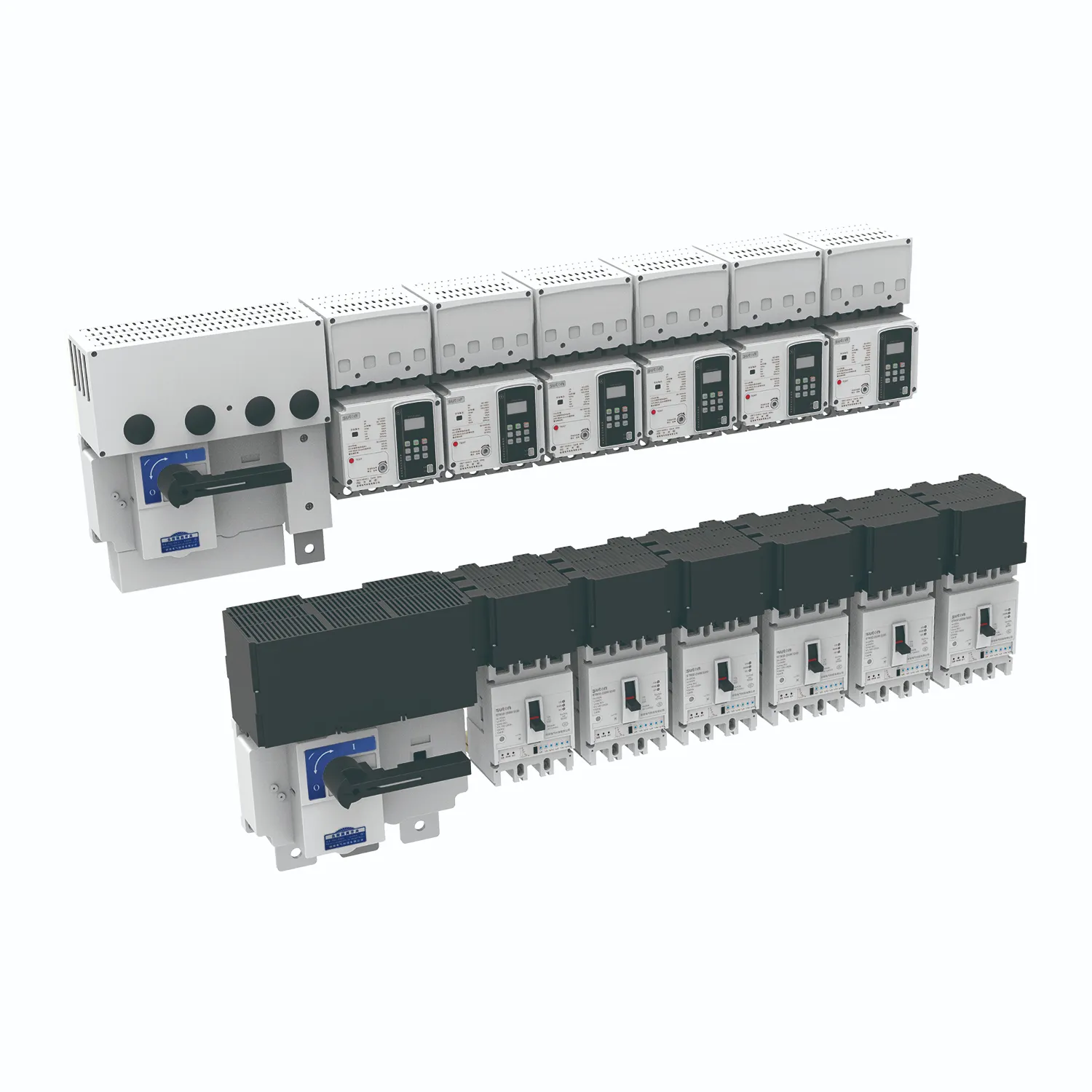
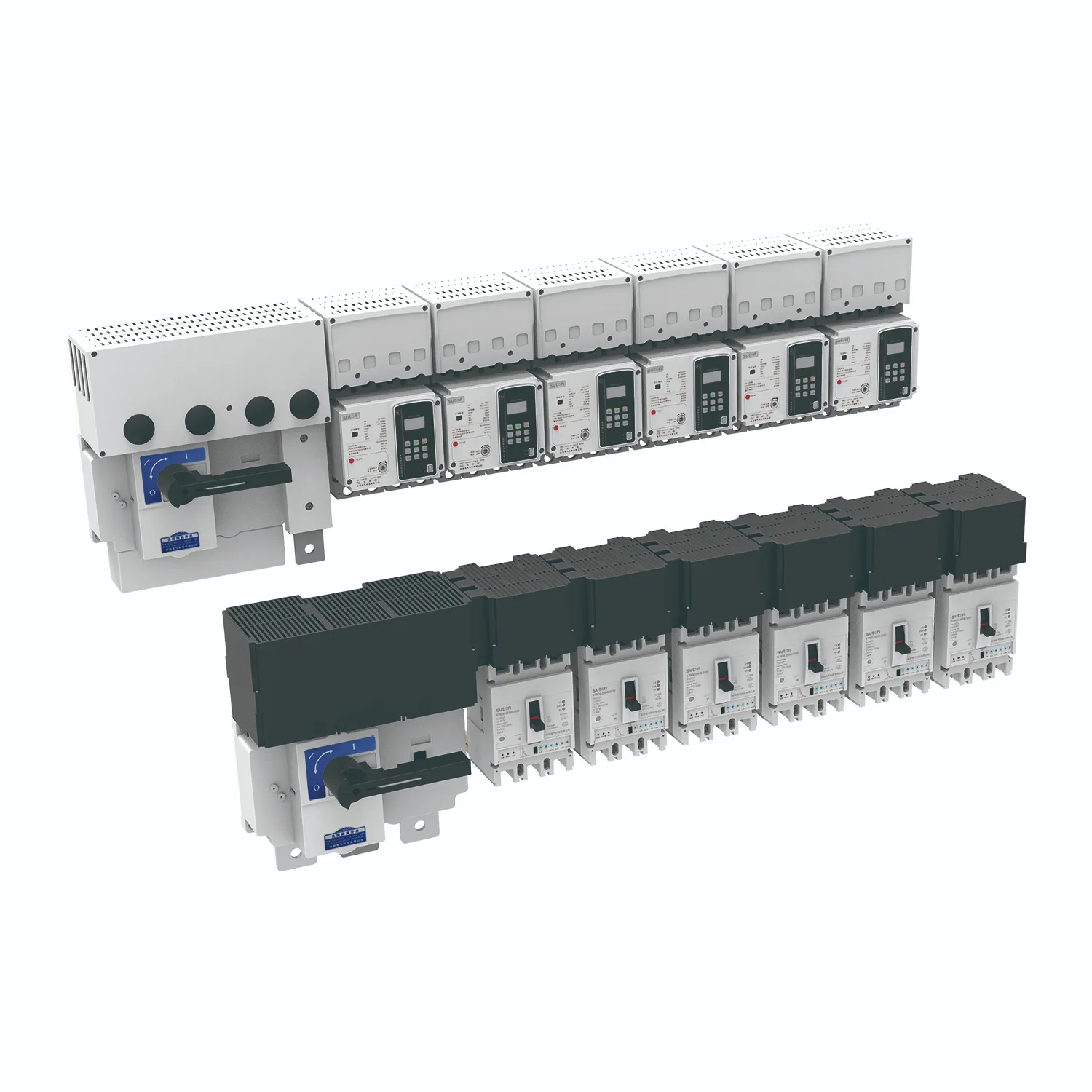
SUTON’s modular DIN rail products category is a public route for discussing modular protection families after the buyer has documented the required functions and project conditions. It is not treated here as proof that every listed product satisfies the surge duty or backup arrangement for a specific board.
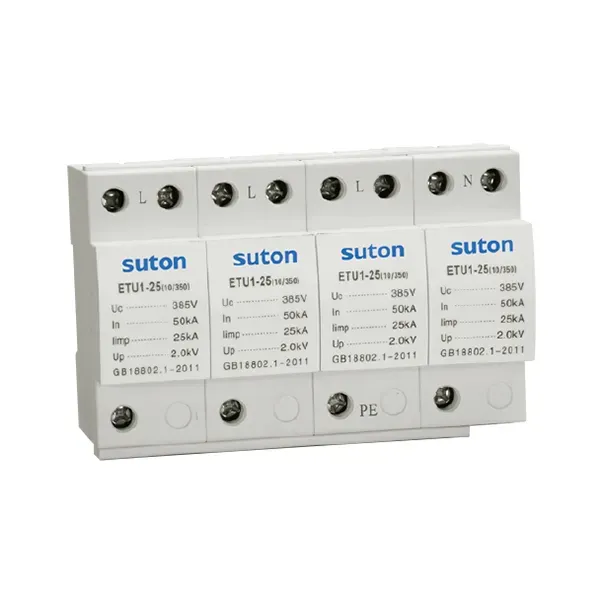
Once the SPD requirement and single-line diagram are approved, review the public ETU1 series surge protective device route as a model-specific inquiry starting point. The accompanying breaker remains a separate overcurrent or documented backup component, not the SPD itself.
Send the controlled documents through Contact SUTON for a documented product-route review. Public pages do not fix marking, class, coordination, or installation exceptions for a specific panel — those remain project-specific confirmations.
Compare SPD quotations against the same documented requirements and retain the final device schedule with the assembly record.
SPD panel dossier and service discipline
Treat the single-line diagram, device schedule, SPD installation instructions, backup arrangement record, and commissioning results as one handover package. Facilities that inherit the dossier can maintain and expand the board with traceability; facilities that inherit only a rail label tend to rebuild the review from scratch at the first indicator event.
When the panel is modified, update the single-line diagram and SPD schedule before energizing new circuits. An added source, changed cable route, or swapped backup device alters coordination and commissioning scope even when nominal ratings appear unchanged.
After any unexplained SPD indication or protective operation, record the circuit condition, connected loads, and recent switching activity before reset. Patterns across records often distinguish a wiring issue, a backup-device mismatch, or a load condition the original specification did not capture.
FAQ
What does surge protector breaker mean in a panel?
It is a shorthand request that must separate the SPD transient-protection function from the breaker’s overcurrent or documented backup duty.
Where is the SPD and breaker duty boundary?
An SPD manages transient overvoltage within its specification, while a breaker protects against overcurrent and cannot replace SPD protection.
Which panel and system inputs must be known?
Provide system and earthing arrangement, voltage, panel location, upstream protection, fault duty, routing, environment, and protection concept — the Part 1 table lists what to send with a quote.
How should backup protection and coordination be checked?
Use the specific SPD instructions and the approved study to verify any backup arrangement while preserving each breaker’s overcurrent duty.
What installation practices protect the intended function?
Follow documented conductor routing, terminal, labeling, access, and commissioning requirements rather than treating adjacent devices as interchangeable.
What belongs in a surge protector breaker RFQ?
Include system details, SPD duty, backup arrangement, fault duty, poles, interface, routing constraints, standards, and quantity.