

An enclosed busbar system IP rating describes defined protection against access, solid objects and water at a stated enclosure boundary. Select it from the actual installation environment and verified assembly configuration, including joints, take-off units, covers and cable entries. A high number on an empty box does not establish the protection of a completed distribution system. Nor does an IP mark establish short-circuit strength, corrosion resistance or suitability for every outdoor location. For procurement, the useful question is whether the delivered and installed arrangement maintains the required protection throughout its service life.
Understand the two digits before specifying the enclosure
The first characteristic numeral concerns access to hazardous parts and ingress of solid foreign objects. The second concerns harmful water ingress under defined test conditions. An X means that the particular characteristic is not specified; it does not mean zero protection or unlimited protection. Additional letters may communicate further information, so copy the full declared designation rather than shortening it in a purchase order.
For example, IP54 indicates dust protection and protection against splashing water under the relevant tests. IP65 indicates a dust-tight enclosure and protection against water jets. These concise descriptions explain the classification, but they are not installation instructions. The precise test conditions and acceptance criteria belong to IEC 60529. Obtain the supplier's declaration and the report identifying the actual tested configuration before assigning either designation to a project.
Do not describe every digit as a simple quality ladder. Temporary immersion and powerful water jets represent different exposure conditions. An enclosure demonstrated for immersion does not automatically demonstrate every jet test. Where both exposures matter, specify evidence for both rather than assuming that the larger final digit covers the entire requirement. This matters when equipment may experience both flooding and cleaning hoses.
Define the protected boundary of the busbar system
A component enclosure, a completed switchgear assembly and a busbar trunking run may have different protection boundaries. Ask whether the rating applies to the whole installed run, only a closed housing, or a particular compartment. The answer determines what installers may open and what remains protected during maintenance. A photograph showing a metal cover cannot establish that boundary or its protection level.
Walk through the route from the supply connection to each take-off. Include straight lengths, joint packs, end closures, bends, expansion arrangements, access doors and cable termination chambers. If sections cross a wall or enter a wetter area, document the environmental change. Specify what happens at that transition rather than applying the clean electrical-room requirement to the entire route by default.
Operating state also matters. The enclosure may achieve its declared protection only with all covers secured and compatible take-off units fitted. A removed cover or an open door can expose a different boundary. Require clear instructions for unused outlets and maintenance openings. Never assume that the service condition with a take-off removed matches the normal closed condition.
Match protection to the actual environmental exposure
Begin with a site description, not a preferred IP number. Record airborne dust, splash direction, cleaning practice, outdoor rain, possible standing water, condensation, ambient temperature and access by untrained people. Explain whether exposure is routine, occasional or an abnormal condition. The designer can then distinguish enclosure selection from separate measures such as relocation, barriers, drainage or controlled maintenance access.
A dry indoor distribution room may have very different needs from a dusty processing area. A roofed outdoor installation can still receive wind-driven rain. A food-processing room may involve cleaning chemicals and hot water that exceed the assumptions behind a basic water test. Do not interpret an IP classification as chemical compatibility or approval for a pressure-cleaning procedure that the manufacturer has not addressed.
| Exposure or interface | Question for the designer | Bukti yang harus diperoleh |
|---|---|---|
| Dust | What particles and accumulation are expected? | Declared solid-ingress protection for the complete assembly |
| Cleaning water | Are splashes, jets or hot cleaning involved? | Relevant test declaration and cleaning limitations |
| Outdoor location | What rain, sunlight and corrosion conditions occur? | Ingress evidence plus separate environmental suitability |
| Joints and take-offs | Are all interfaces included in the boundary? | Approved assembly and sealing details |
| Cable entries | Do glands match cables and mounting conditions? | Compatible accessory instructions |
| Pemeliharaan | How is protection restored after opening? | Inspection and seal-replacement procedure |
Use this project review table alongside the declared IEC classification and installation instructions. It is a documentation checklist, not a table assigning a universal minimum IP rating to every environment. Local requirements, the assembly standard, the equipment location and the actual exposure must determine the final specification.
Check joints, openings and cable entries as one system
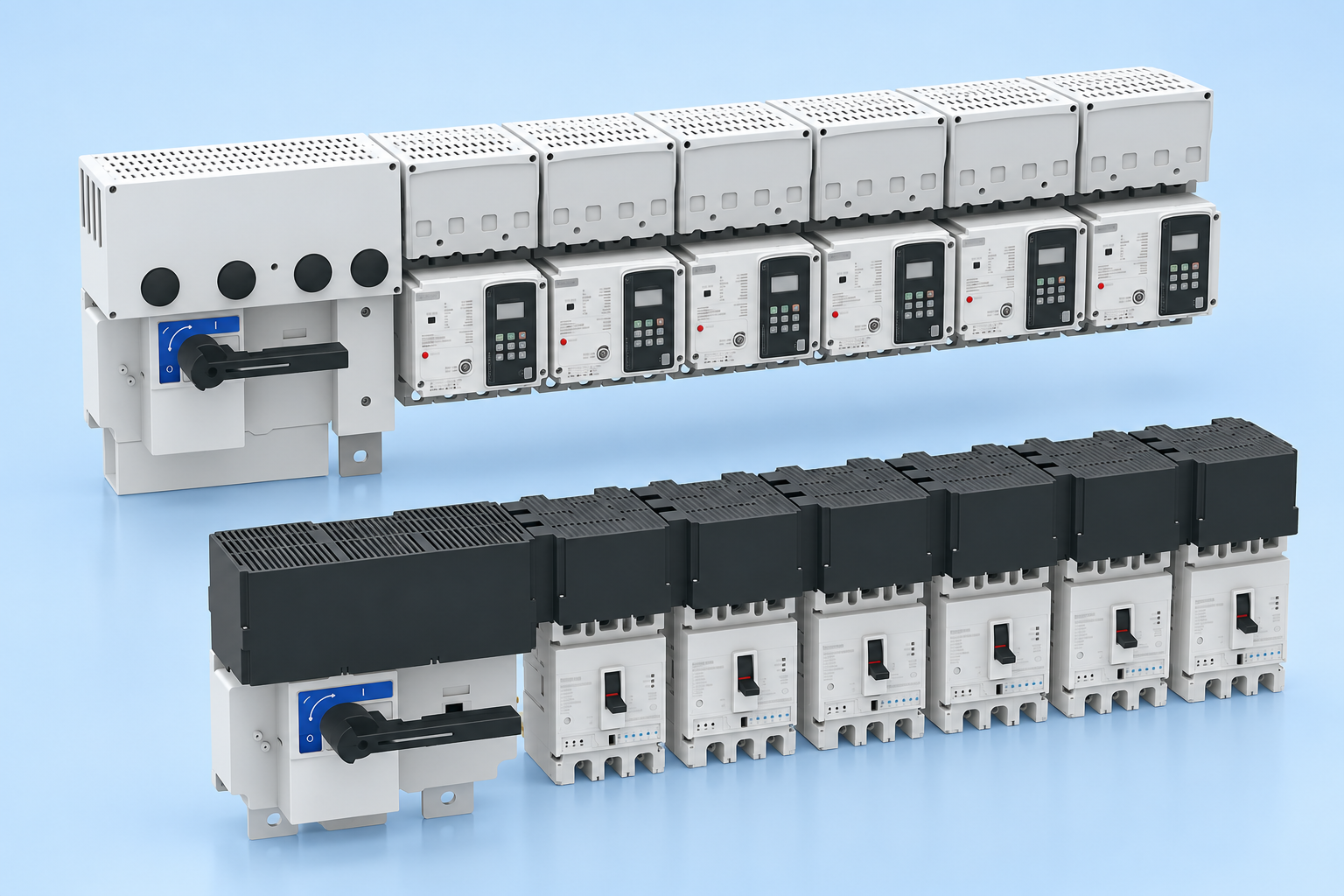
Every opening creates an interface that must preserve the intended protection. Check gasket continuity, cover seating, fastener locations, compatible gland sizes and closure of unused entries. A gland rated for one cable diameter does not provide the same performance around a smaller cable or several unrelated conductors. Tightening and sealing must follow the actual accessory instructions, not a generic workshop habit.
Joint details deserve particular attention because a long busbar route can contain many repeated interfaces. Ask whether the joint cover, sealing parts and assembly method are the same as those in the verification documents. Record inspection access and replacement seals. Changing a gasket material, omitting a washer or substituting a convenient fastener can invalidate assumptions without visibly changing the overall product silhouette.
Site drilling is another common source of uncertainty. Before creating an entry, confirm permitted locations, clearances and sealing arrangements. Remove conductive debris using a controlled procedure with the equipment safely isolated. Do not drill an energized enclosure. The enclosure contractor and electrical installer should agree who verifies each modified boundary, with the approval recorded before the completed system is handed over.
Balance ingress protection with heat and condensation control
Closing ventilation openings may improve resistance to ingress while changing cooling. That change can affect temperature rise and usable current. Evaluate both subjects together. A designer should not select a tighter enclosure and retain the previous current assumptions without evidence. The site's busbar temperature-rise review explains why verified thermal performance must match the installed assembly.
Condensation can also occur inside a housing without an obvious external leak. Temperature cycling and humid air require a separate assessment. Ask how the manufacturer addresses condensation, drainage, heaters or ventilation accessories when relevant. An accessory that manages moisture must itself be compatible with the required enclosure protection. Do not improvise a drain hole and continue quoting the unmodified enclosure rating.
Corrosion, ultraviolet exposure, impact and fire behavior need their own evidence where applicable. A water-ingress classification alone does not answer these questions. Specify the environment in plain terms and obtain separate material or performance documentation. This keeps procurement from using one convenient IP number as a substitute for all environmental engineering.
Compare IP and NEMA requirements carefully
IP codes and NEMA enclosure types describe overlapping but different requirements. They cannot be freely converted in both directions. NEMA's enclosure-type guidance explains the additional environmental distinctions considered by enclosure types and the limits of comparison. Where a project specifies a NEMA type, request evidence for that requirement rather than accepting an IP-only substitution from a conversion chart.
The reverse procurement problem also occurs: a supplier offers an enclosure type while the project documents require an exact IP declaration for the completed assembly. Clarify both requirements before purchase. Record the standards, editions, product configuration and evidence accepted by the responsible designer. A comparison table is useful for preliminary discussion; it is not certification of a specific delivered product.
Review the actual SUTON enclosed assembly
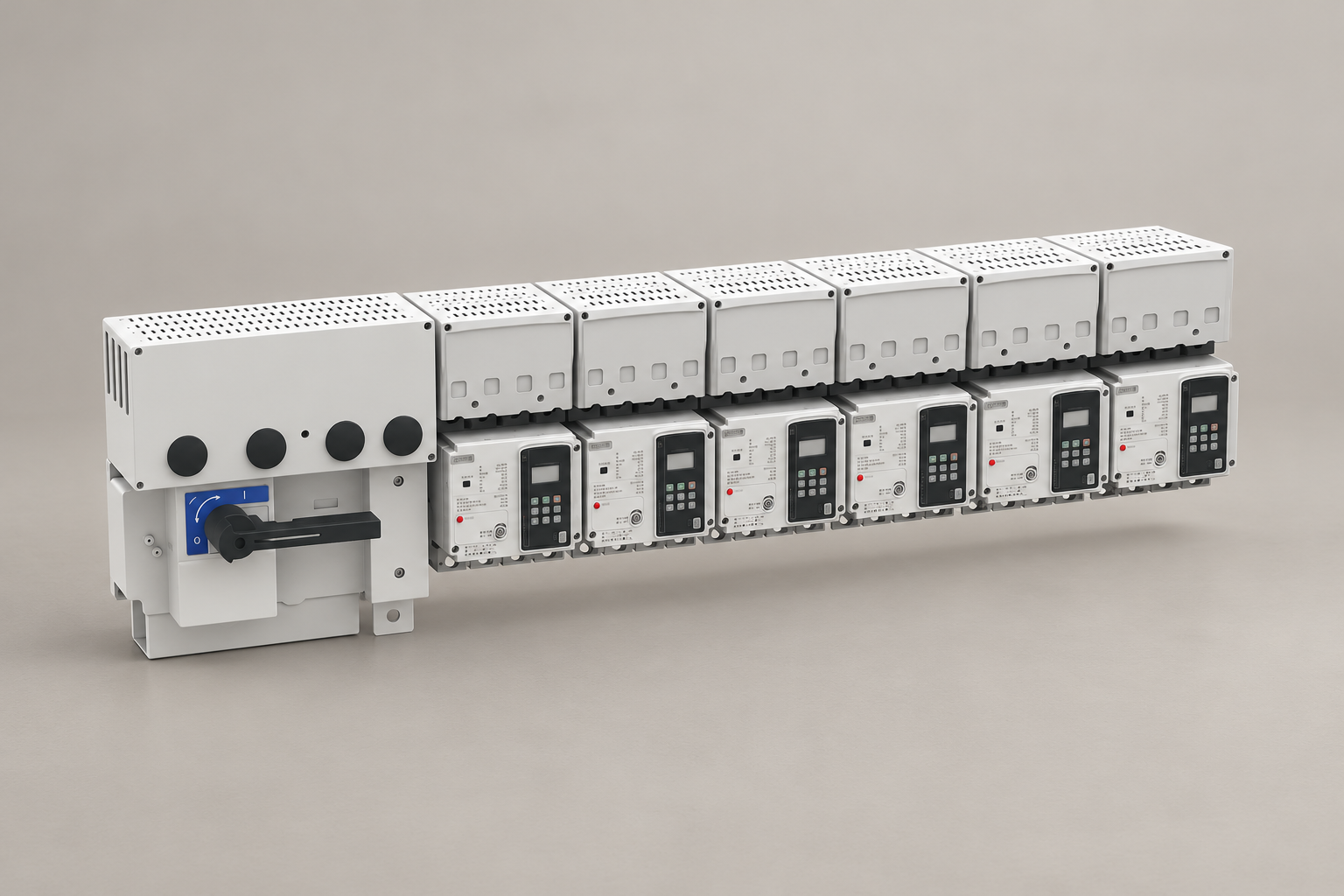
Itu SUTON ETFZX sistem busbar tertutup provides a product reference for discussing housing sections, outgoing devices and access covers. Its exterior images help buyers identify which components need to appear on the supplied assembly drawing. They do not independently establish an IP classification, gasket construction, outdoor approval or thermal rating. Request documentation for the exact quoted version and arrangement.
Send the supplier a marked route drawing and identify the environmental zones. Ask for the declared protection of complete sections, joints, termination chambers and unused take-off openings. Require confirmation of which accessories preserve that protection and which installation steps are critical. Include cleaning restrictions and the procedure for replacing damaged seals. A complete answer is more useful than an unqualified claim that the product is enclosed.
Coordinate the enclosure decision with busbar clearance and creepage requirements dan busbar distribution comparison. These subjects interact but have different acceptance criteria. Passing an ingress test does not verify insulation coordination or establish the best distribution architecture for a facility.
Inspect the delivered and installed condition
At receiving inspection, compare model references and accessory lists with the approved submittal. Check for shipping damage, distorted covers, missing plugs and damaged seals. Photograph discrepancies before assembly. Keep replacement parts traceable so that a visually similar seal from another source does not silently enter the system. Resolve departures before energization rather than leaving them for a future maintenance visit.
During installation, use a checklist tied to the actual route drawing. Record completion of joints, cable entries, closures and covers. Visual inspection confirms workmanship and configuration; it does not reproduce a laboratory IP test. Do not spray an installed electrical assembly as an improvised acceptance test. Any field verification must follow an approved method with clear safety controls and manufacturer involvement where required.
After maintenance, restore every disturbed boundary before returning equipment to service. Include protection-related components in the handover records and spare-parts list. Schedule inspections around environmental exposure and operating history rather than inventing a universal replacement interval. A closed cover with a hardened, displaced gasket can look complete while no longer matching the documented arrangement.
Pertanyaan yang sering diajukan
Does an enclosed busbar automatically have an outdoor IP rating?
No. Enclosed describes construction, while an IP designation describes verified protection under specified conditions. Obtain the exact product and assembly declaration, installation instructions and environmental limitations. Outdoor suitability can also require separate assessment of corrosion, ultraviolet exposure, condensation, temperature and mechanical conditions.
Can an IP67 enclosure replace an IP66 requirement?
Do not assume so from the higher final digit. Temporary immersion and powerful water jets are different tests. If the application requires jet protection, obtain the relevant verification or a suitable multiple designation. The responsible designer should approve any proposed substitution against the actual exposure.
What should a busbar enclosure quotation include?
Include the environmental description, complete route, required protection boundaries, applicable standards, compatible accessories and verification documents. Request joint and cable-entry details, cleaning limitations, maintenance instructions and a list of permitted modifications. Confirm that the declaration applies to the delivered configuration rather than an empty enclosure or unrelated component.
Video edukasi
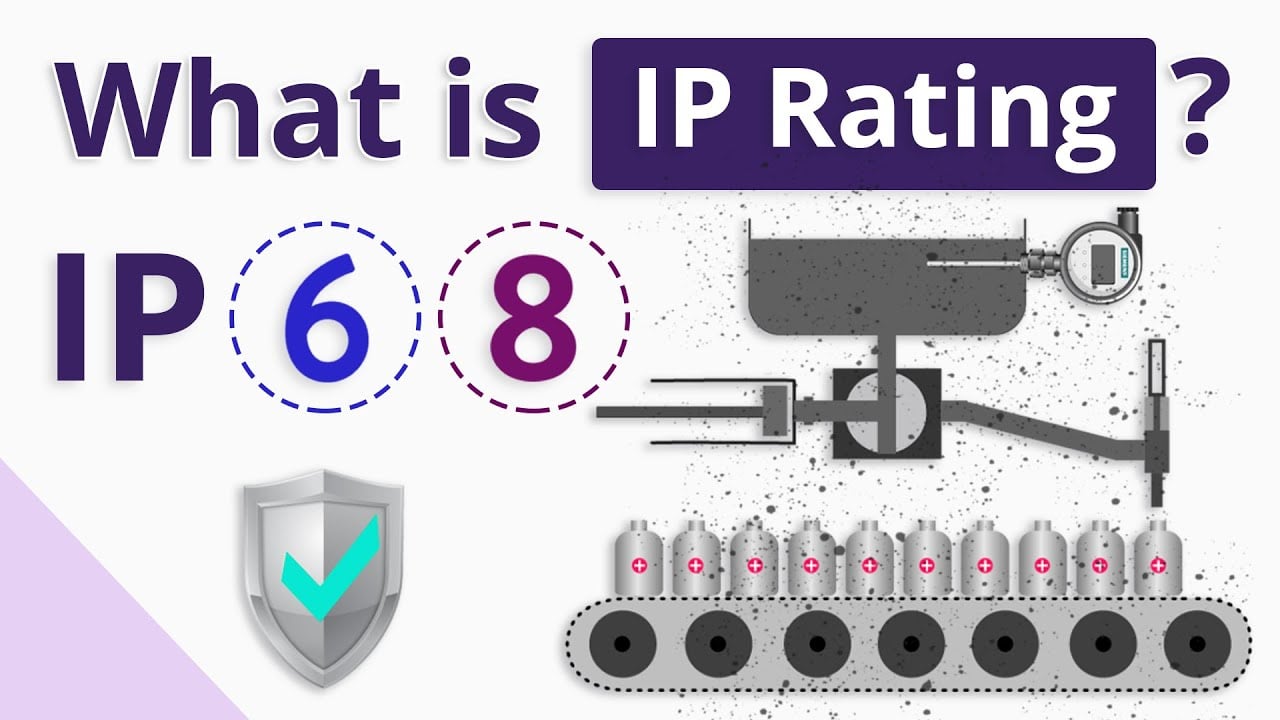
What is IP Rating? (Ingress Protection Rating) by RealPars. This independent industrial-training explanation introduces ingress protection codes. It does not certify a SUTON assembly or replace its model-specific installation instructions.