


Switch disconnector padlock provisions must match the exact switch, operating handle and approved locking position. A statement that a handle accepts padlocks does not establish the permitted shackle dimensions, prove that every offered handle has the feature, or replace the site's isolation arrangements. Before ordering, obtain the manufacturer's locking drawing, identify the permitted position, and check the actual locks against that interface. For a panel builder, the useful deliverable is a confirmed device-and-lock combination with traceable documents, clear equipment identification and a handover record. The number of holes alone is not an isolation specification.
Define what the lock must secure
Start with the equipment and energy boundary, rather than with a preferred padlock brand. A cabinet can contain more than one source, auxiliary supplies or circuits that remain energized when the main switch is open. The responsible person must identify the supplies and the site's safe isolation process. A locking feature on one disconnector addresses that device's operating mechanism; it cannot establish the condition of every conductor in the cabinet. Keep the device review connected to the approved isolation plan.
State whether the purchase concerns a directly operated switch or a door-coupled operating assembly. These arrangements can have different interfaces and conditions. A drawing for one handle should not be used to approve another merely because both belong to the same product family. Include the exact switch code, handle code, shaft arrangement where applicable and cabinet drawing revision in the enquiry. This prevents a generic catalogue illustration becoming the only evidence behind an important maintenance requirement.
Read the actual HGL product statement within its limits
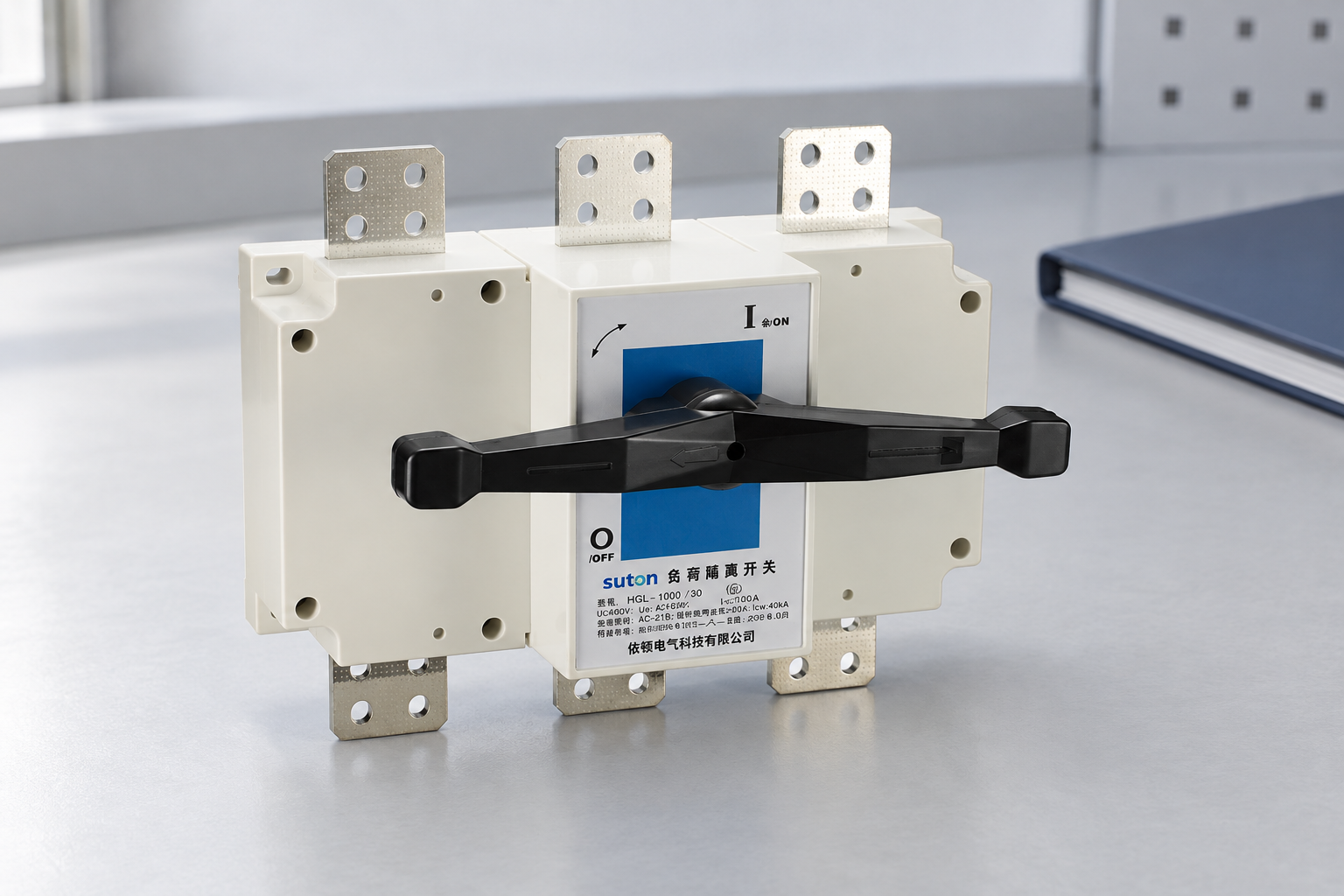
Itu SUTON HGL/ETGL load disconnector page describes a provision for securing the handle with three locks simultaneously in the 0 position. That is a useful starting point for requesting the exact configuration. It does not supply a universal shackle diameter, confirm the dimensions of every lock, or establish that an improvised multi-lock accessory is approved. Ask SUTON which offered operating arrangement the statement covers and request the relevant drawing before treating it as an acceptance condition.
The same page limits models rated 1000 A and above to electrical isolation. That restriction remains in place regardless of locking provision. A padlock feature does not add load-breaking capability, fault protection or an operating duty absent from the device declaration. The illustrated product identifies the exterior family only. No photograph in this guide demonstrates isolation, a completed lockout, internal contact separation or compatibility with a specific padlock. Those conclusions require the appropriate documents and authorized checks.
Request dimensions that can actually be checked
Ask for the approved interface drawing with the relevant hole or opening dimensions, permitted shackle range, clearance and operating position. Also request any restrictions on the shape of the lock body or the number of locks used together. These details matter because an apparently suitable shackle may fit an opening yet prevent another lock from being attached, interfere with a cabinet door or leave the mechanism able to move beyond its permitted condition.
Check the actual lock model rather than using an approximate description such as small industrial padlock. Record its manufacturer, model and dimensional drawing. Where the project supplies locks separately from the switch, assign responsibility for comparing the two sets of documents. If dimensions are missing, hold that acceptance item open and obtain confirmation. Do not enlarge a hole, bend a fitting or substitute an unapproved locking arrangement to make delivered parts appear to fit.
Keep the permitted position explicit
A purchase specification should state the required locking position and ask the supplier to confirm how it is achieved on the delivered assembly. Do not assume every operating handle can be locked only in the same position. The relation between handle indication, mechanism and main contacts belongs to the selected device's declared design and instructions. A user-applied label cannot change that relation. Review the complete operating arrangement, especially where a remote handle introduces a linkage between the door and device.
For the broader functional selection, use the isolator switch guide for panel builders. Keep the distinction between selecting an isolation function and approving a particular padlock interface. Both are necessary questions, but neither answers the other. A satisfactory interface review should never be used as proof that the selected device is suitable for the circuit voltage, operational current, short-circuit conditions or intended switching duty.
Use a document-based compatibility schedule
| Barang | Bukti untuk diminta | Pertanyaan penerimaan |
|---|---|---|
| Device and handle | Complete codes and approved drawing | Does the locking declaration cover this assembly? |
| Locking position | Manufacturer instruction | Is the required position supported? |
| Lock interface | Permitted dimensions and restrictions | Does the intended lock match the interface? |
| Multiple locks | Actual lock models and clearance | Can the approved arrangement accommodate them? |
| Cabinet | Final layout and operating assembly | Is access consistent with the approved design? |
| Penyerahan | Compatibility and isolation records | Are responsibilities and restrictions recorded? |
Complete this schedule from the offered model's drawings and the actual lock information. The HGL product declaration provides the family starting point, while the approved project documents establish the specific arrangement. The table deliberately contains no universal dimensions or pass values. When a field is unresolved, name the responsible reviewer and requested evidence. This makes a quotation comparable without encouraging the buyer to fill missing technical details from a different product or an attractive catalogue image.
Separate multiple lock positions from group work arrangements
A device that accepts several locks does not, by itself, define the site's control of work by multiple people. Responsibility for isolation, verification, keys, changes of personnel and release remains with the authorized organization. Specify the mechanical capacity required from the device, then let the responsible safety process define how that capacity is used. Do not infer that a particular number of available holes determines a permitted crew size or removes the need for a formal handover.
HSE guidance on working near electricity explains why work must be planned around the actual electrical hazards and competent control. Use that guidance to frame the work boundary, rather than as a manufacturer's compatibility drawing. A supplier can confirm its product's approved locking interface; the employer or site organization must establish the work arrangements appropriate to the installation. Keep those responsibilities visible in the purchase and handover records.
Check cabinet access without bypassing an interlock
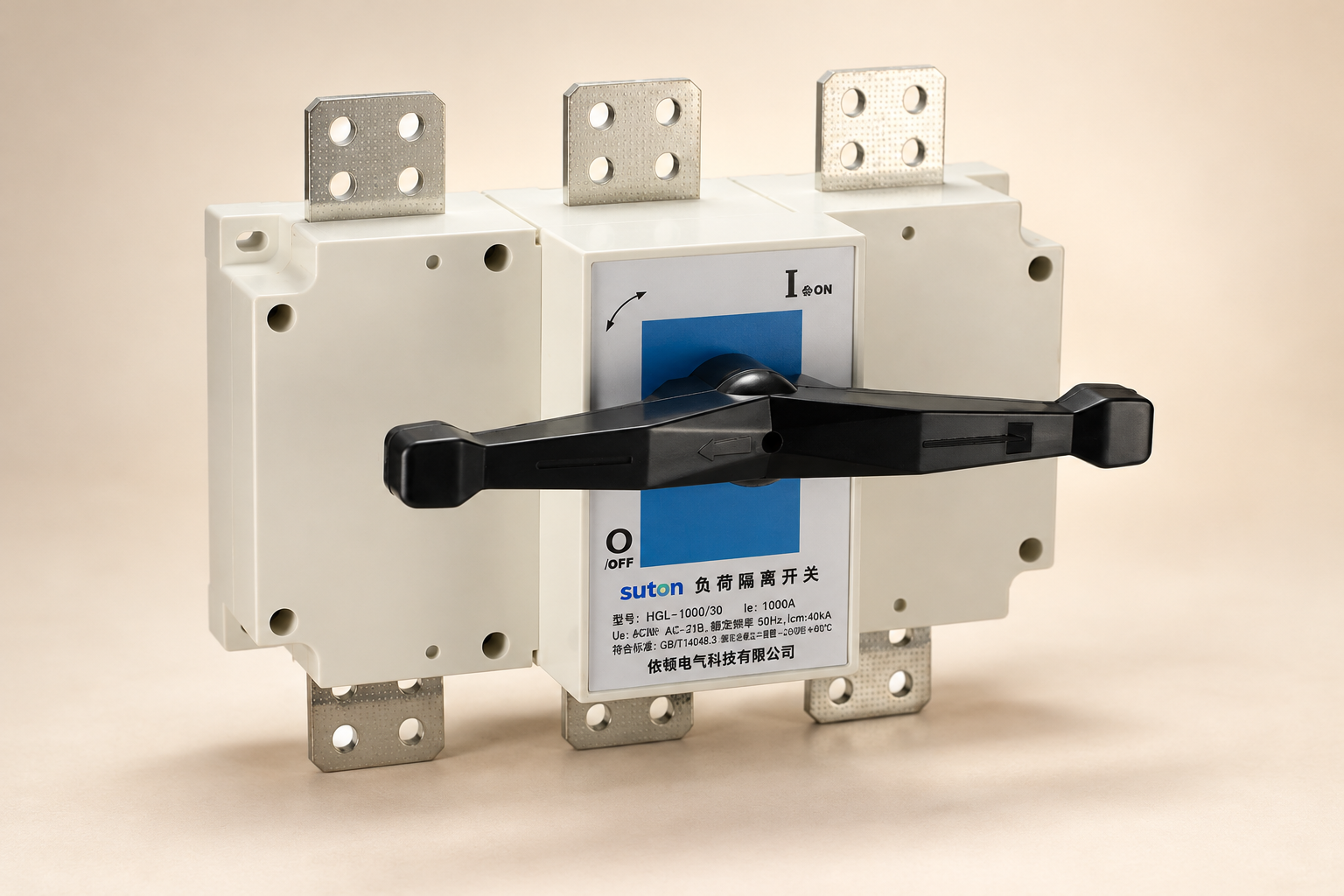
The lock body, labels and operating handle need usable space in the completed cabinet. Ask the assembly builder to review the arrangement against the approved enclosure layout. The review should include clearance around adjacent devices and the relationship to the door-operated mechanism where fitted. Do not assume that a bare switch demonstration represents the finished panel. A component can have an adequate interface yet be poorly located for the maintenance arrangement the buyer intends to use.
Itu door-coupled rotary handle interlock guide addresses the related operating assembly. Keep that review separate from lock dimensions, while checking that neither decision defeats the other. Do not defeat an interlock, force a door or modify a shaft to create access. Any proposed change requires the assembly builder and manufacturer to establish an approved arrangement under the site's safe-work process, with the resulting documentation revised before acceptance.
Organize acceptance before delivery
Agree in advance which documents and checks will demonstrate compatibility. The supplier should identify the exact offered switch and handle, the approved locking provision and its restrictions. The buyer should identify the intended lock. The assembly builder should confirm the installed layout. Where a physical fit check is appropriate, it must follow the manufacturer's instructions and an authorized safe method on equipment in a suitable condition. This article does not provide a live-equipment testing procedure.
Record the result against the equipment identifier and drawing revision. Note the lock model, supplier confirmation, reviewer and date. If an item cannot be checked before shipment, state the outstanding evidence and acceptance hold point clearly. A photograph can support identification, but it should not be the only proof of dimensions or mechanism behavior. The HSE electrical equipment guidance supports competent planning and maintenance; exact product instructions remain essential.
Manage substitutions and future maintenance
A change of lock, handle, cabinet or switch model can invalidate an earlier compatibility conclusion. Require substitution requests to identify the affected documents and repeat the relevant review. A visually similar handle is insufficient evidence of equivalent locking behavior. Keep approved component codes and drawing revisions in the handover package so a maintenance buyer can request the same arrangement or obtain a documented alternative rather than relying on a photograph from the original tender.
For related maintenance procurement, the single-pole breaker lockout guide illustrates why locking interfaces are device-specific. It does not authorize using a breaker accessory on an HGL disconnector. For an HGL enquiry, send the complete device code, operating arrangement, required locking position, lock drawing and cabinet layout to SUTON. Ask for a written compatibility response and installation documentation. That gives the buyer a reviewable result with clear limits and a practical route to resolving missing information.
Pertanyaan yang sering diajukan
Does a three-lock statement mean any three padlocks will fit?
No. The statement describes a provision, while fit depends on the actual handle, permitted locking position, shackle dimensions, lock bodies and available space. Obtain the approved interface drawing and compare the intended lock models. Do not infer compatibility from the number of openings visible in a photograph.
Can a locked handle prove that a cabinet is safe to work on?
No. A lock on one mechanism does not identify every source or verify the condition of all conductors. Authorized people must follow the installation's approved isolation and verification process. The locking interface is one component of that arrangement, with a defined scope and product-specific conditions.
What should be retained after a compatibility review?
Keep the exact switch and handle codes, approved drawing revision, locking position, lock model, dimensional evidence, supplier confirmation and acceptance record. Include unresolved restrictions and any substitution approvals. These records help future maintenance staff preserve the original arrangement without guessing from appearance or a family-level catalogue statement.
Video edukasi
SELECT Safe Isolation Animation 2024 by SELECT. This electrical trade association animation explains the safe-isolation context for the document review. Its work method must not be applied without the site-specific authorized process; it does not approve a SUTON lock interface or terminal connection.